
What Window Tint Is Best for Night Driving in the Rain?
The best window tint for night driving in the rain is a lighter, high-clarity ceramic tint on the front side windows. Something around 35% to 50% VLT or lighter keeps the most light coming in after dark. Ceramic film gives you strong heat and UV protection without needing a dark shade, and it doesn't add haze or mirror-like reflections that make wet roads harder to read. In South Carolina, front side windows must also stay at or above the legal 27% light transmission limit and be non-reflective.
If you drive the Grand Strand after dark, you know how fast conditions change. A summer thunderstorm rolls in over Highway 17 or the Carolina Bays Parkway, oncoming headlights scatter across wet glass, and suddenly the lane lines disappear. Many drivers want tint for the heat and sun, but they worry it will make those rainy nights even harder.
The good news: the right tint, chosen and installed correctly, doesn't have to compromise night visibility. This guide explains how tint affects what you see in the dark and which shades and film types work best in rain. It also covers what
South Carolina law allows and how to set up your vehicle for safer stormy drives. It comes from Myrtle Beach Window Tint, a Grand Strand tint shop with more than 15 years of window tinting experience.
Why Is Night Driving in the Rain So Hard to See Through?
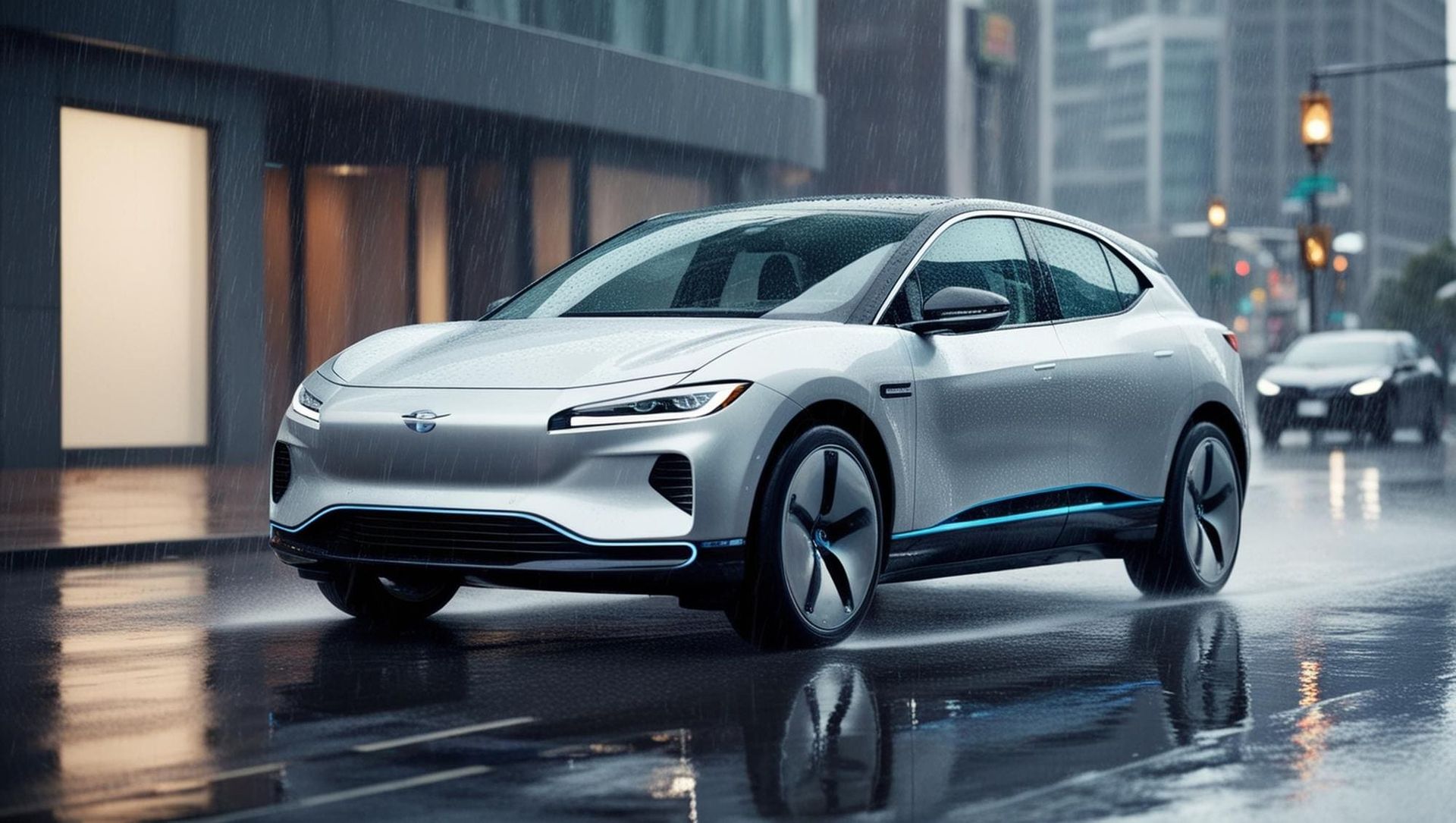
Rain at night creates several visibility problems at once. Understanding them makes it clear why the type of tint matters.
Headlight Glare Scatters Across Wet Glass
Water droplets on your windows act like tiny lenses. They scatter oncoming headlights and streetlights into streaks and halos, increasing glare and making it harder to judge distance.
Wet Roads Reflect Light Instead of Showing Lane Lines
Dry pavement absorbs much of your headlight beam. Wet pavement reflects it, creating mirror-like glare and washing out lane markings, curbs, and road edges.
Contrast Drops Sharply
At night, your eyes rely on contrast to pick out pedestrians, cyclists, and debris. Rain, darkness, and any extra layer that cuts light all reduce that contrast.
Interior Fogging and Haze
Coastal humidity and temperature swings cause windows to fog from the inside. A film of residue on the inside glass makes glare worse, whether or not you have tint.
How Does Window Tint Affect Night Visibility?
Window tint is measured by visible light transmission (VLT): the percentage of visible light that passes through the glass and film combined. A 50% tint lets in about half the light; a 5% "limo" tint lets in almost none.
During the day, lower VLT cuts glare and keeps the cabin cooler. At night, though, there's far less light to begin with, and every bit of tint reduces what reaches your eyes. In the rain, when contrast is already low, that matters even more.
Two things are often overlooked:
- Factory glass already blocks some light. Your car's windows aren't 100% clear, so a film's rating isn't the final number. A professional installer accounts for this so your windows meet the legal combined VLT limit.
- Film quality matters as much as darkness. Low-quality films can add haze, distortion, or a reflective sheen that amplifies glare from headlights and wet roads. High-clarity ceramic films are designed to minimize that.
What Tint Percentage Is Best for Night Driving in the Rain?
Here's how common tint levels compare for nighttime and rainy-weather driving.
| Tint Level (VLT) | Night Visibility in Rain | Daytime Heat and Glare Control | Legal on SC Front Side Windows? |
|---|---|---|---|
| 70% or lighter | Excellent | Moderate (strong with ceramic) | Yes |
| 50% | Very good | Good | Yes |
| 35% | Good | Very good | Yes |
| 27% to 30% | Fair, noticeably darker at night | Excellent | Only if the combined reading is 27% or higher |
| 20% | Poor | Excellent | No |
| 5% (limo) | Very poor | Maximum | No |
Bottom line: For drivers who often drive at night or in storms, 35% to 50% on the front side windows is the sweet spot. You get real heat and glare relief during the day while keeping enough light for rainy nights. If you want maximum night clarity, a light ceramic film still delivers strong UV and heat protection.
What Type of Window Tint Is Best for Rainy Nights?
Shade is only half the decision. The film's construction affects clarity, glare, and performance.
| Film Type | Optical Clarity | Interior Reflection at Night | Heat Rejection | Best For |
|---|---|---|---|---|
| Ceramic | Excellent | Very low | High, even in light shades | Night and rain driving with maximum comfort |
| Carbon | Very good | Low | Good | A matte look with solid performance |
| Dyed | Fair | Low to moderate | Low | Budget, appearance-only tint |
| Metallic/reflective | Good | Higher sheen | Good | Not recommended for night driving; restricted in SC |
Why Ceramic Tint Wins for Night Driving
Ceramic films reject heat with non-metallic particles rather than relying on darkness. That means you can choose a lighter shade, which is better at night, without giving up comfort on hot coastal afternoons. Ceramic films are also known for high clarity and low haze, and they don't interfere with phone, GPS, or radio signals.
Why to Avoid Reflective Film
Reflective and metallic films can create a mirror effect inside the car at night, especially when headlights hit wet glass. South Carolina also requires front side window tint to be non-reflective.
What Are South Carolina's Window Tint Laws?
Staying legal also keeps night visibility in a safe range. Key South Carolina rules include:
| Window | South Carolina Rule |
|---|---|
| Windshield | Non-reflective tint allowed only above the manufacturer's AS-1 line |
| Front side windows | Non-reflective, with at least 27% combined light transmission |
| Back side and rear windows | Requirements vary by vehicle type; confirm with your installer |
| Colors | Red, amber, and yellow tints are not permitted |
| Mirrors | Dual outside mirrors required if the rear window is tinted |
| Medical exemptions | Available with proper documentation |
Violations can carry fines, so it's worth having a professional confirm your shade choices. If you also drive regularly in North Carolina or another state, keep in mind that tint laws differ across state lines.
What Is the Best Tint Setup for Different Drivers?
Every driver's needs are a little different. Here are common setups for Grand Strand drivers.
- Frequent night commuters and service-industry workers: Light ceramic film (50% or lighter) on the front sides, with a slightly darker shade on rear windows where legal. This maximizes forward and side visibility after late shifts.
- Families and everyday drivers: 35% ceramic on the front sides balances daytime comfort and nighttime visibility. Rear windows can add privacy and sun protection for kids.
- Drivers with vision concerns or older drivers: The lightest ceramic film you're comfortable with. You still get more than 99% UV protection and meaningful heat rejection without darkening the view.
- Rideshare and delivery drivers: High-clarity ceramic in a moderate shade, so you can read street signs and house numbers in the rain.
How Else Can You Improve Visibility When Driving at Night in the Rain?
Tint is just one part of rainy-night visibility. These habits make a big difference:
- Clean the inside of your windows: Haze and film on interior glass multiply glare. Use a tint-safe, ammonia-free cleaner on tinted windows.
- Replace wiper blades regularly: Streaking blades leave water trails that scatter light.
- Use a water-repellent glass treatment: Hydrophobic coatings help rain bead and roll off the windshield and side windows.
- Restore cloudy headlights: Yellowed, foggy lenses cut your beam's reach.
- Run the defroster and A/C: This clears interior fog quickly in humid coastal weather.
- Slow down and increase following distance: Wet roads and reduced contrast need more reaction time.
- Avoid looking directly at oncoming headlights: Glance toward the right edge of your lane to stay on track.
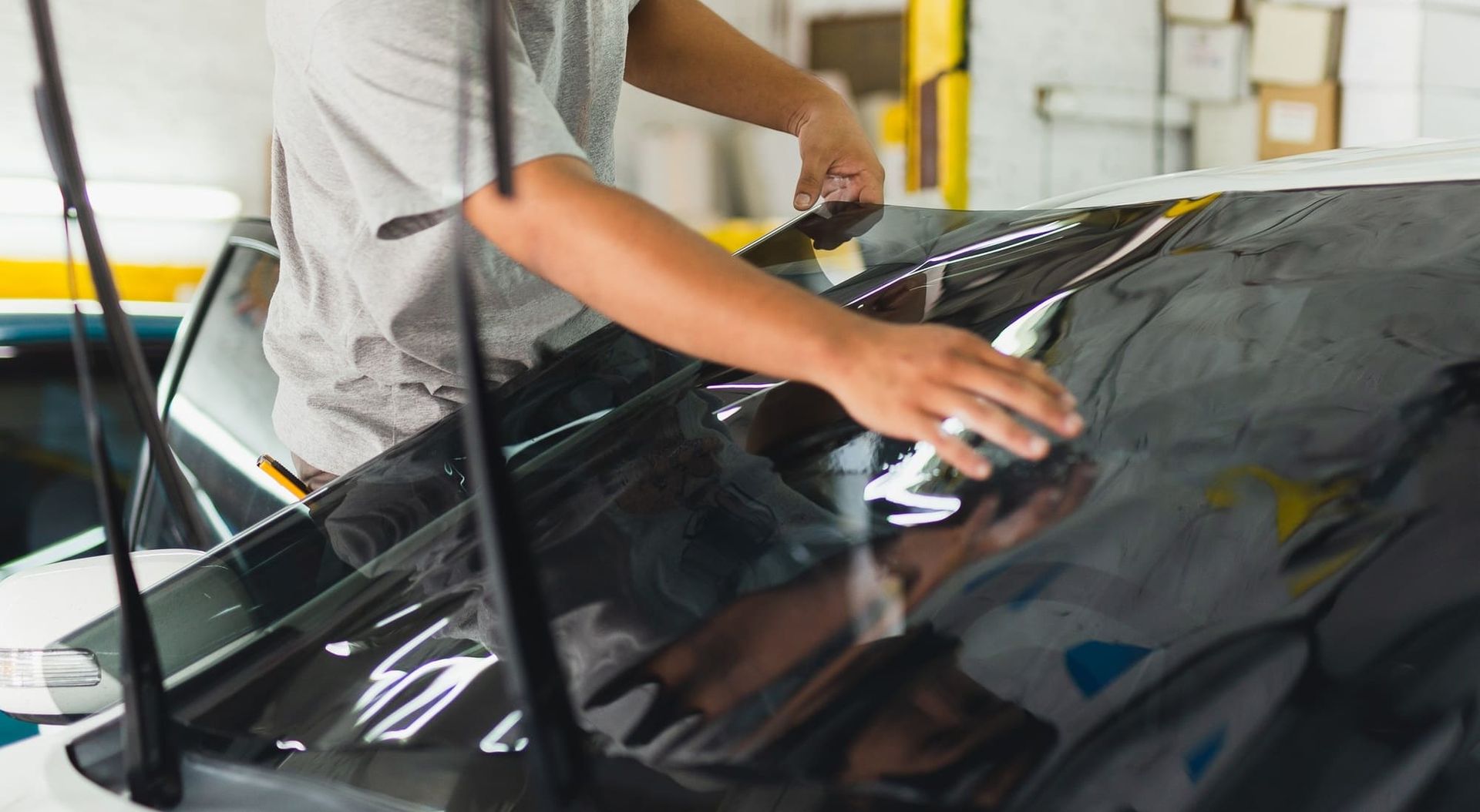
What Happens During a Professional Tint Installation?
1. Consultation and Shade Selection
You'll compare shades and film types and talk about when and where you drive. This is the time to mention night driving, so your installer can recommend the right VLT for each window.
2. Precision Computer Cutting
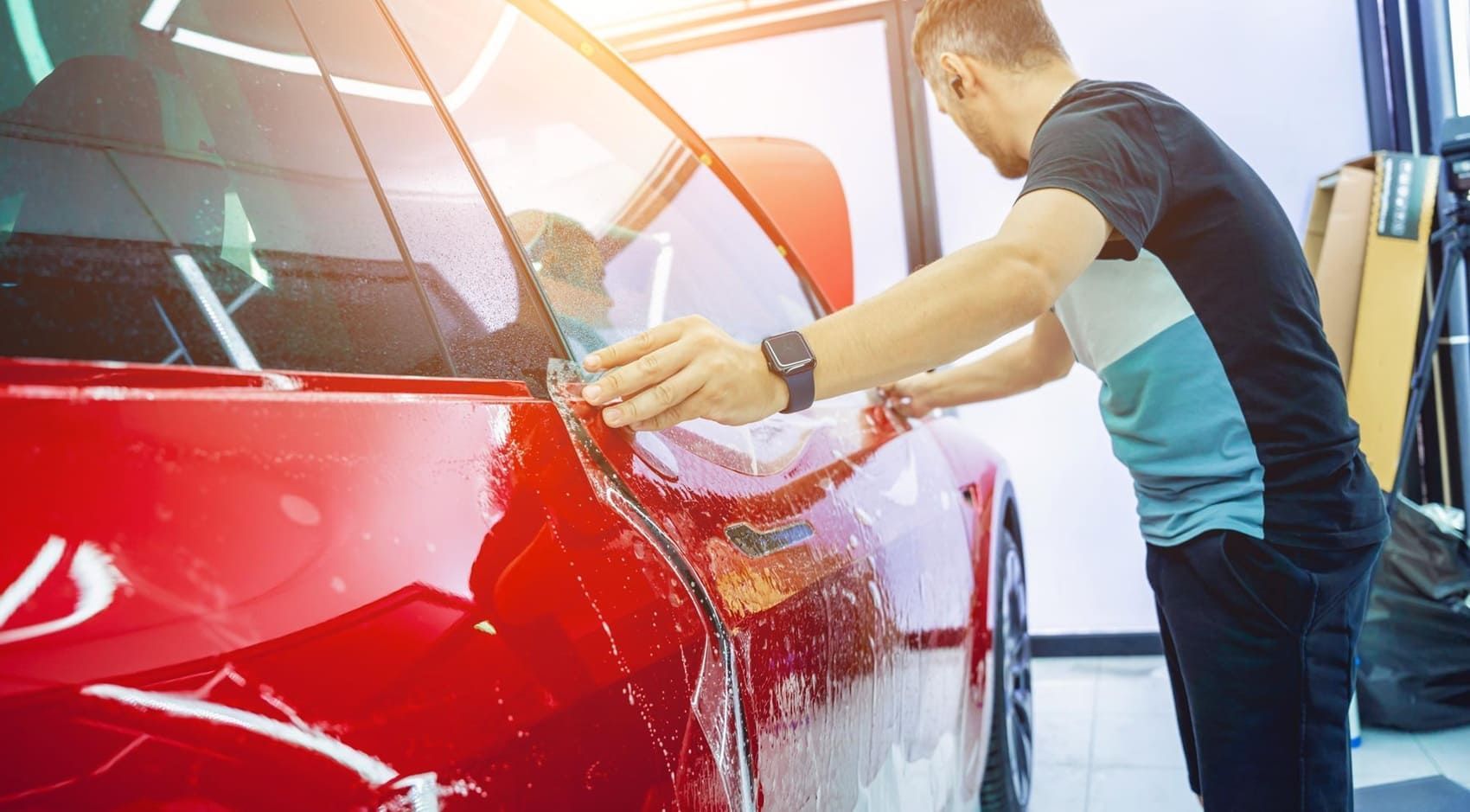
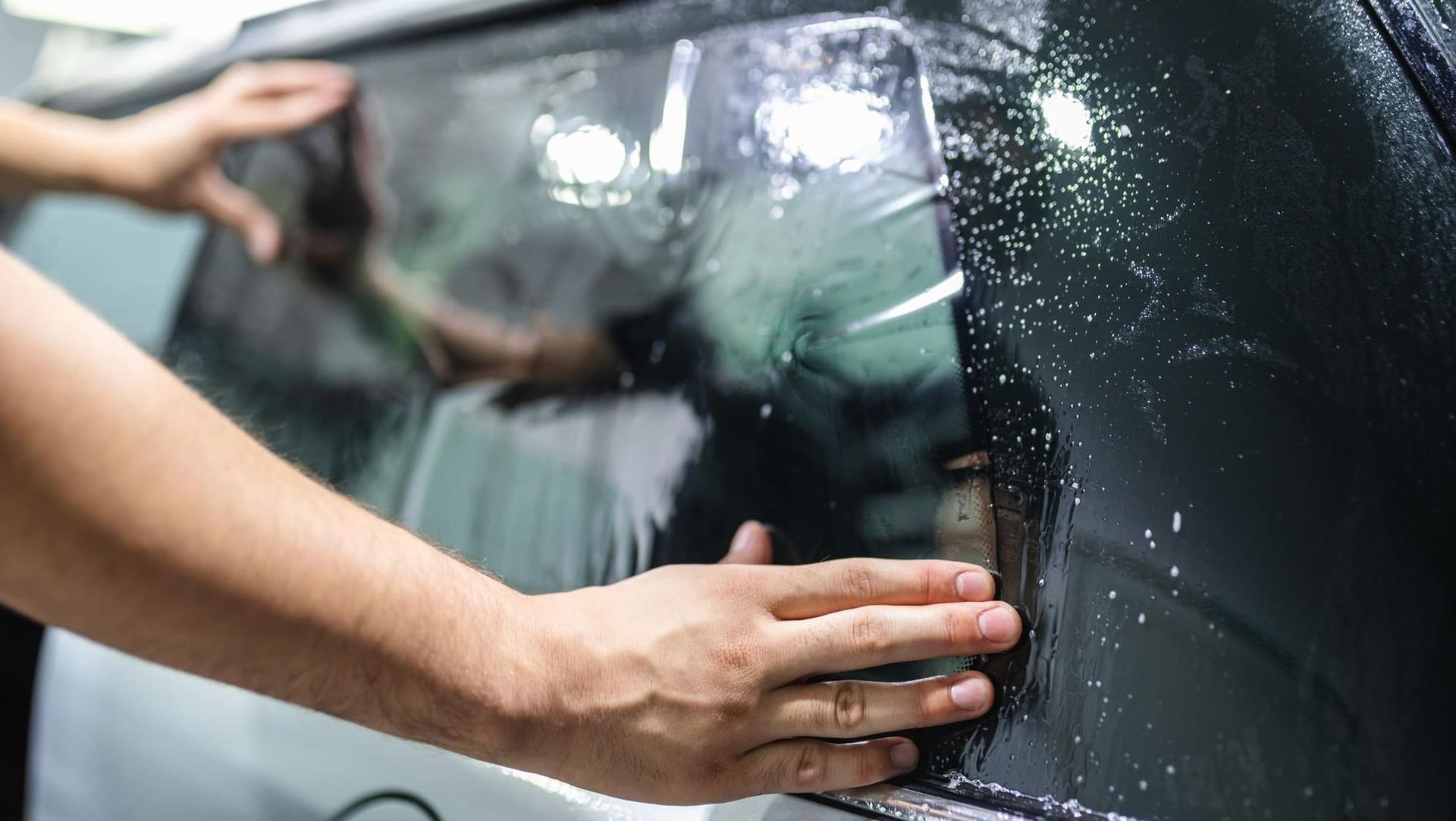
Myrtle Beach Window Tint uses a computerized film cutting system that generates patterns to your vehicle manufacturer's specifications. That means precise edges and a clean fit.
3. Glass Preparation
Windows are thoroughly cleaned so no dust or debris is trapped under the film. Trapped debris could cause distortion at night.
4. Installation by a Certified Team
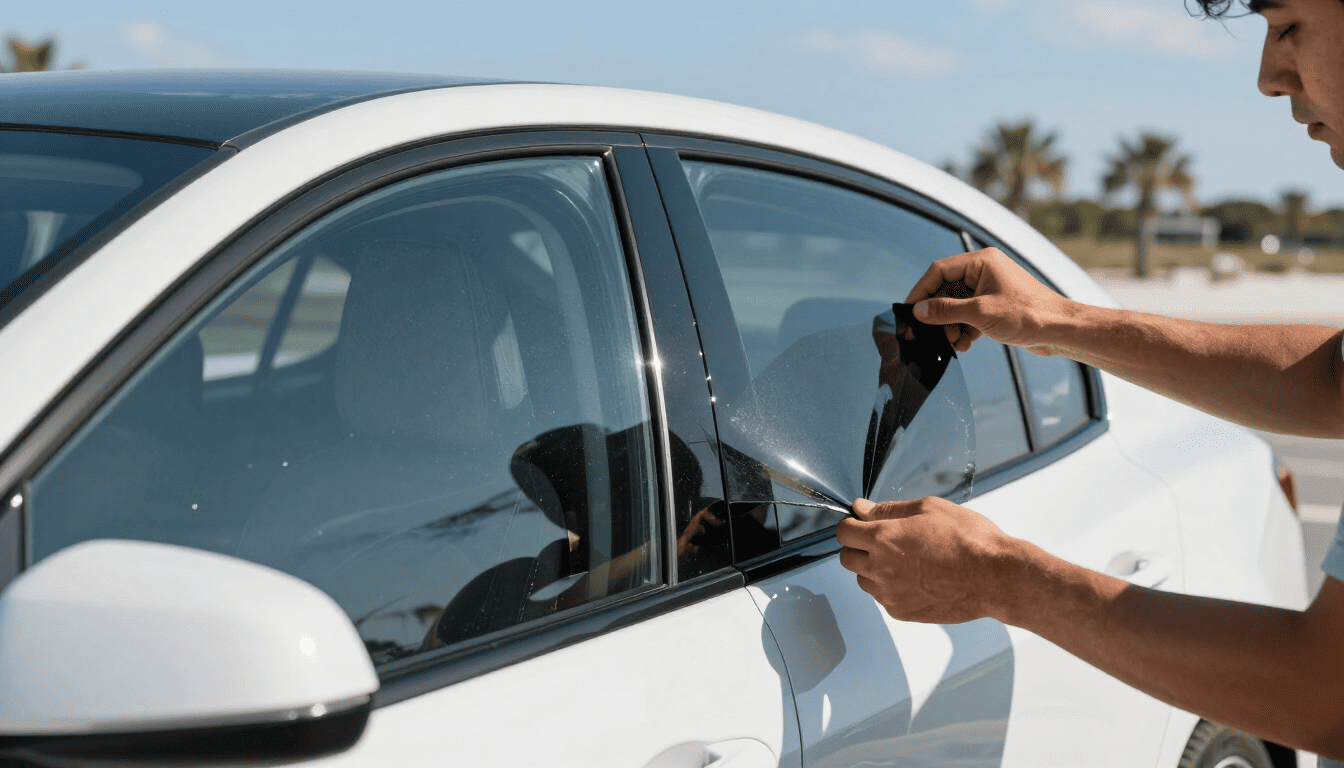
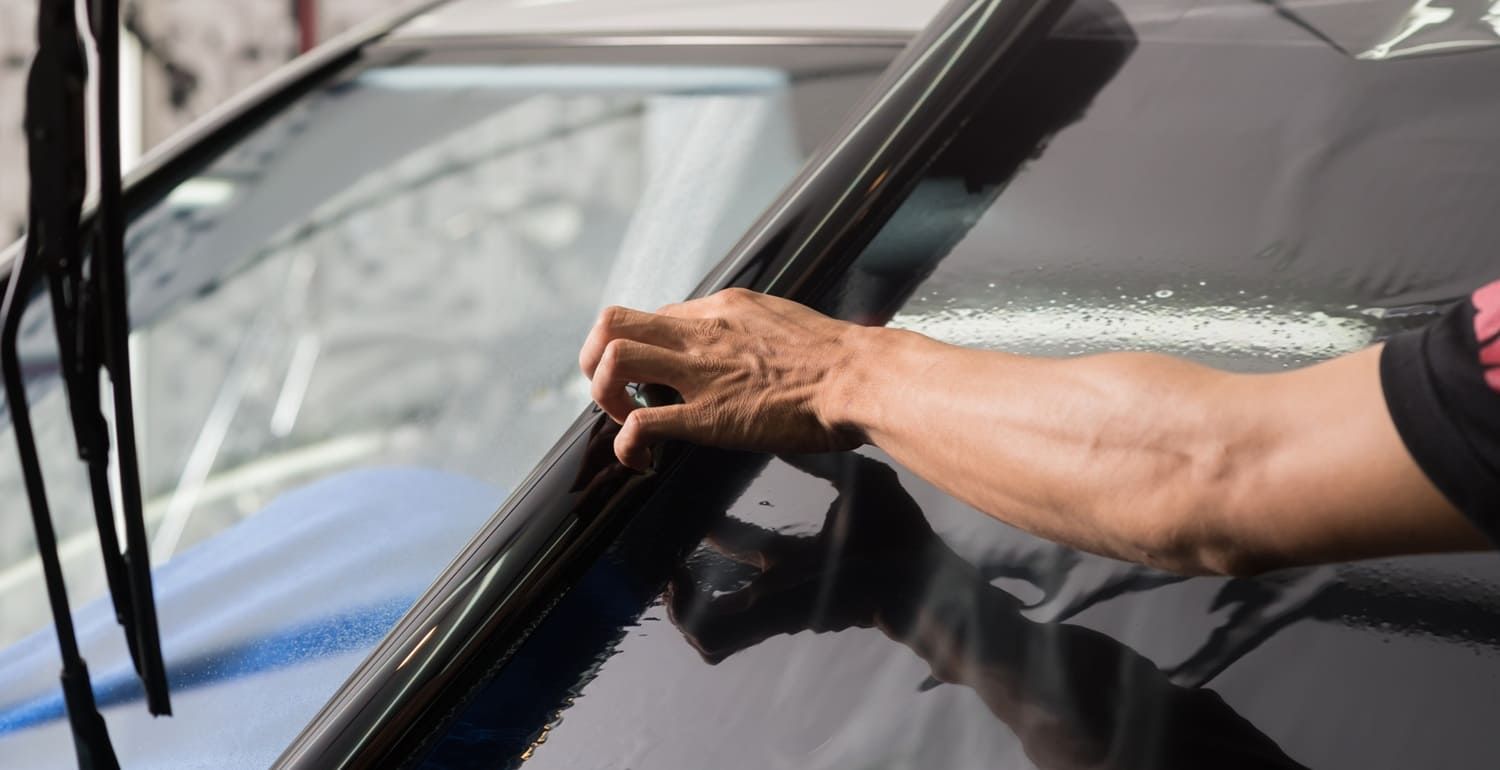
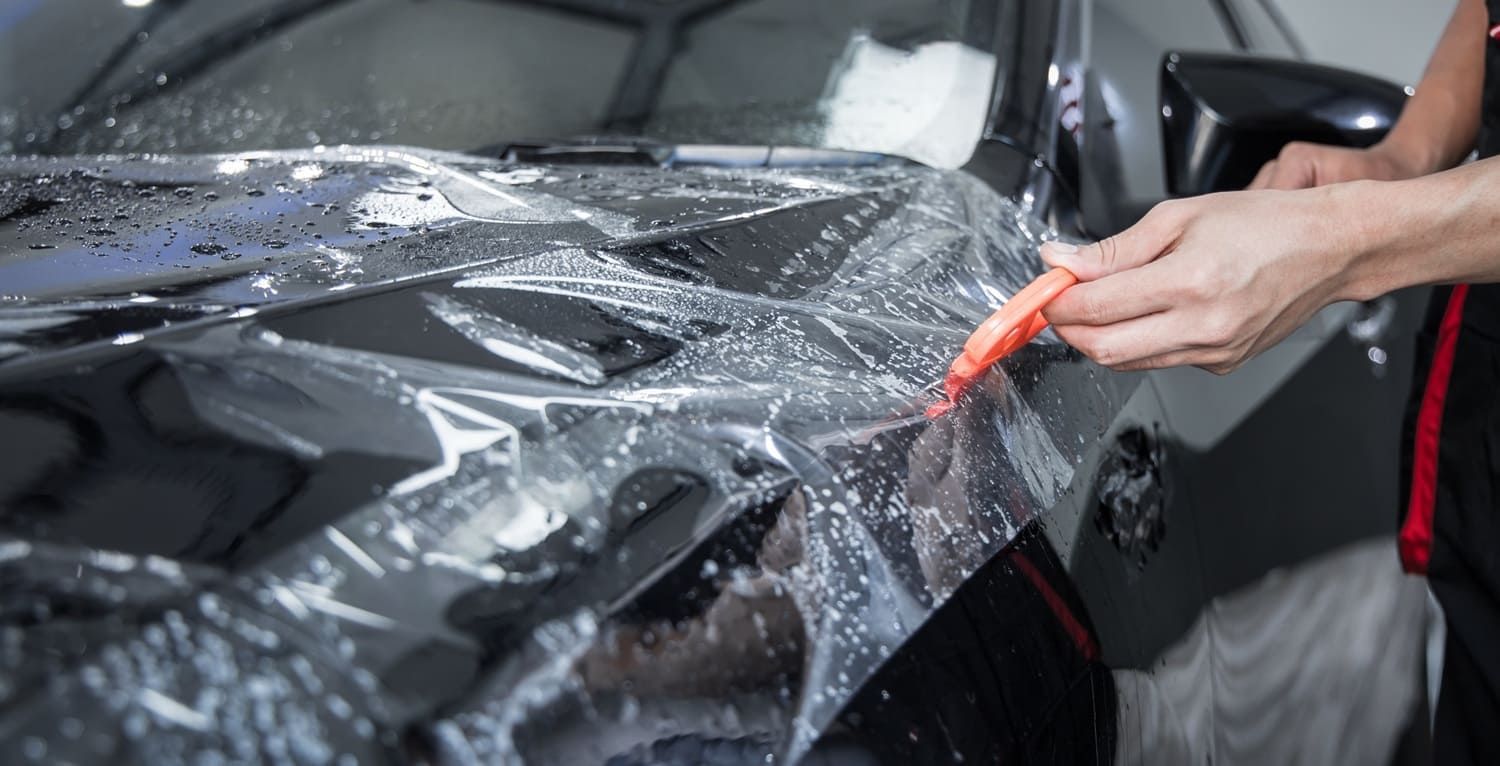
Certified installers apply the film and remove moisture and air for a clear, even finish.
5. Curing and Aftercare
Light haze or small water pockets are normal right after installation and fade as the film cures. Your installer will tell you how long to keep the windows rolled up and how to clean them safely.
Is Professional Ceramic Tint Worth It?
Cost depends on your vehicle, the number of windows, and the film you choose. Ceramic usually costs more than dyed film, but it offers the best mix of clarity, heat rejection, and night visibility. It's the type that lets you choose a lighter shade without sacrificing comfort.
Professional installation also protects your investment. Myrtle Beach Window Tint guarantees its premium auto films against changing color, bubbling, and cracking for as long as you own the vehicle; ask about the terms when you get your estimate. Cheap, poorly installed tint can bubble, peel, or haze over time, which is exactly what hurts visibility on a rainy night.
Frequently Asked Questions About Window Tint and Night Driving
Does window tint make it harder to see at night?
Darker tint does reduce nighttime light, which is why shade choice matters. A lighter, high-clarity ceramic film on the front side windows has minimal impact on night visibility while still blocking heat and UV.
What is the best tint percentage for night driving?
For most drivers, 35% to 50% VLT or lighter on the front side windows. In South Carolina, the front side windows must stay at or above 27% combined light transmission.
Is ceramic tint better for night driving?
Yes. Ceramic tint offers excellent clarity and low interior reflection, and it rejects heat without needing a dark shade. That makes it the top choice for night and rain driving.
Does window tint reduce headlight glare?
Tint can reduce the intensity of glare from oncoming headlights. But at night, any tint also reduces overall light, so lighter, high-quality films offer the best balance.
Can I tint my windshield in South Carolina?
Only above the manufacturer's AS-1 line, and the tint must be non-reflective. Tint below that line isn't allowed, which helps protect forward visibility at night and in rain.
How long does car window tinting take?
Many full-vehicle tint jobs are finished in a few hours, depending on the vehicle and film. Your installer will give you a time estimate when you book.
Get the Right Tint for Safer Night Driving on the Grand Strand
The best window tint for night driving in the rain is a lighter, high-clarity ceramic film that keeps you within South Carolina's legal limits. It cools your car, blocks more than 99% of UV rays, and cuts daytime glare, without leaving you squinting through dark, reflective glass during a nighttime storm.
Myrtle Beach Window Tint has more than 15 years of tinting experience, a certified installation team, and computer-cut precision, with over 23,000 auto tints completed. The shop serves drivers throughout Myrtle Beach, Conway, North Myrtle Beach, Surfside Beach, Socastee, Little River, Murrells Inlet, Garden City, Loris, Aynor, Georgetown, and Horry County.
Ready to find the right shade for your drive?
Call Myrtle Beach Window Tint at (843) 267-5222, visit the shop at 604 Seaboard Street, Suite 5, or request your
free estimate today.