

What Is the Best Windshield Tint Strip for Coastal Glare in Myrtle Beach?
Driving along Ocean Boulevard or Highway 17 at sunrise or sunset in Myrtle Beach means facing a specific kind of glare — sunlight bouncing directly off the Atlantic and straight into your eyes through the windshield. A visor only blocks so much, and squinting through beach traffic isn't a long-term solution. That's where a windshield tint strip comes in.
The short answer: a non-reflective ceramic tint strip applied above your windshield's AS-1 line is the best, fully legal option for cutting coastal glare in South Carolina. Ceramic film outperforms dyed film for glare and heat reduction without adding the mirror-like reflectivity that's illegal on SC windshields, and for drivers who want glare protection across the whole windshield rather than just the top strip, a clear, full-coverage ceramic film is worth considering as well.
Here's what's legal, what actually works against coastal glare, and how to choose the right option for your vehicle.
What Is a Windshield Tint Strip, and Why Does It Matter for Coastal Driving?
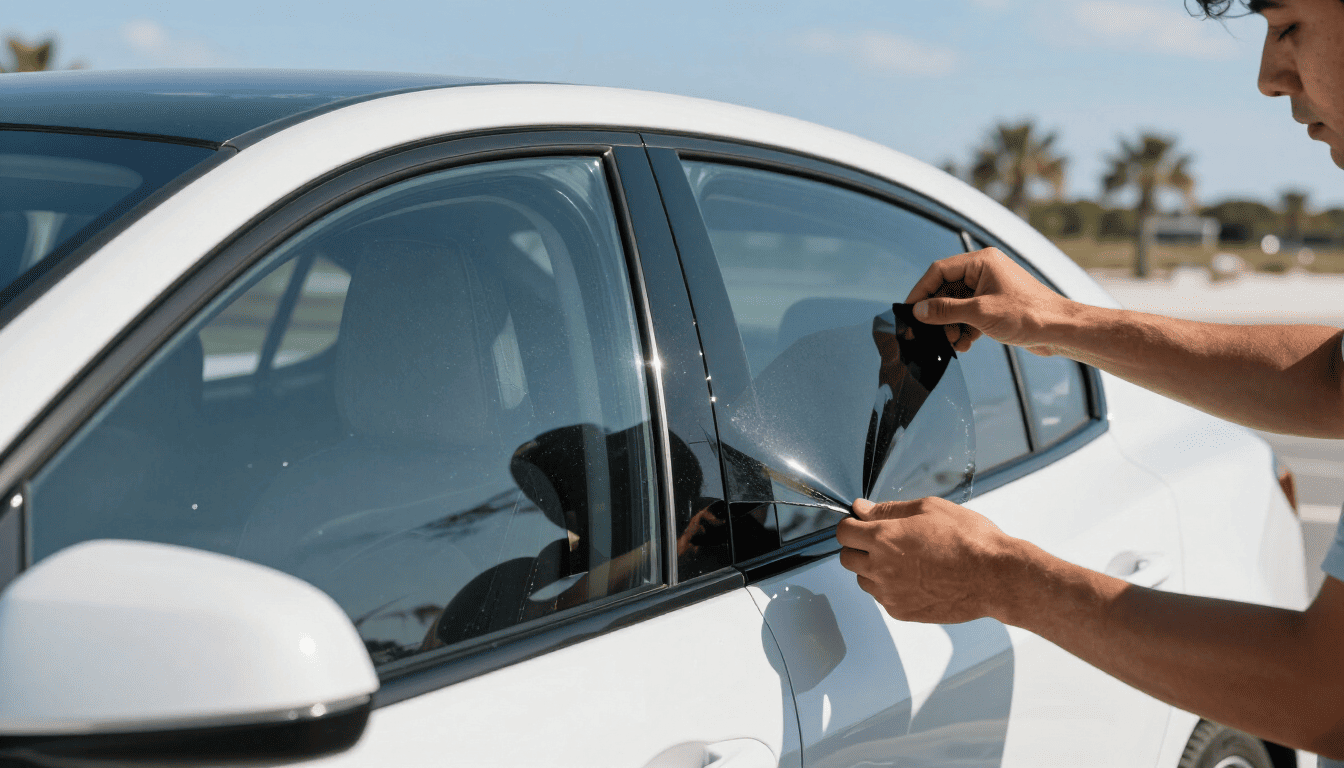
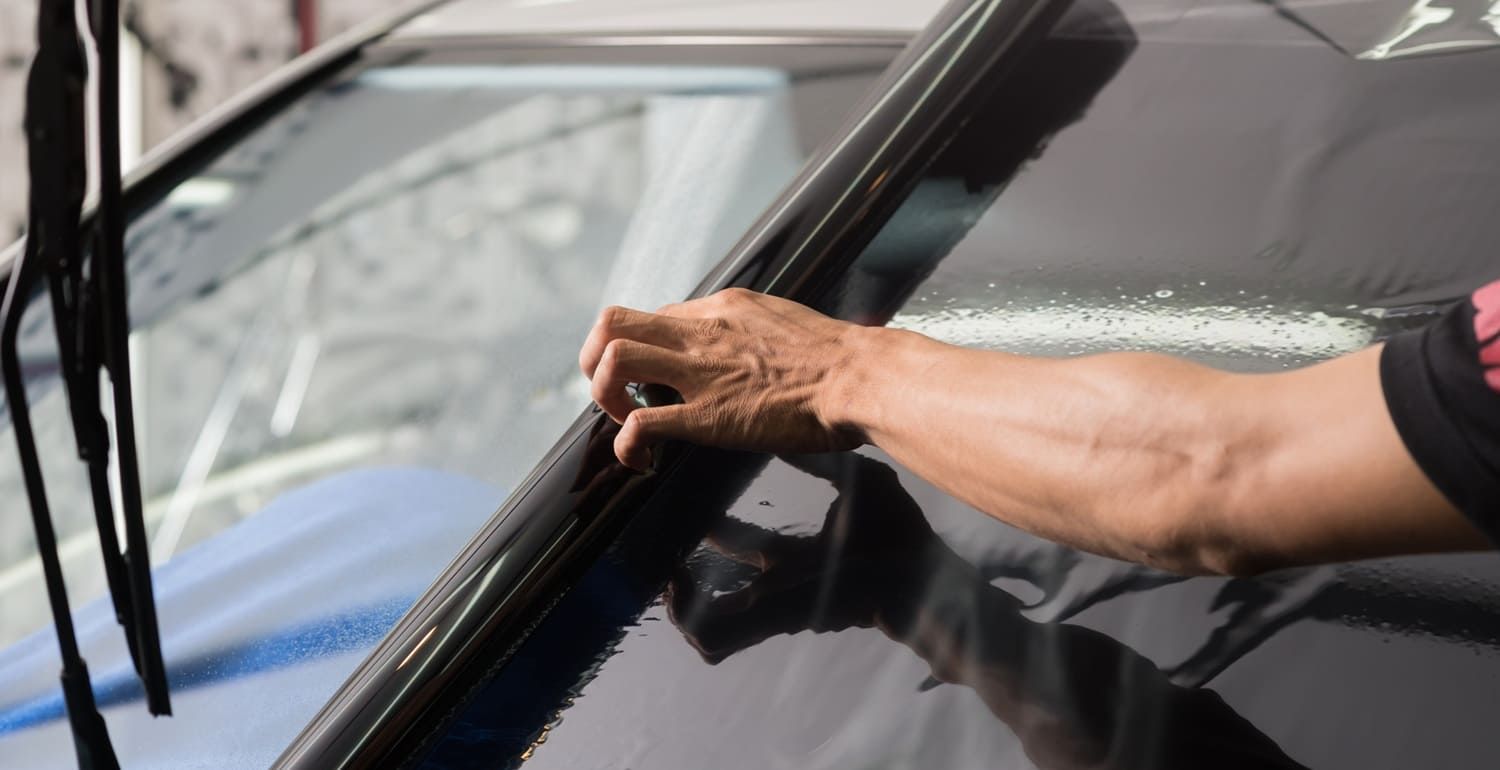
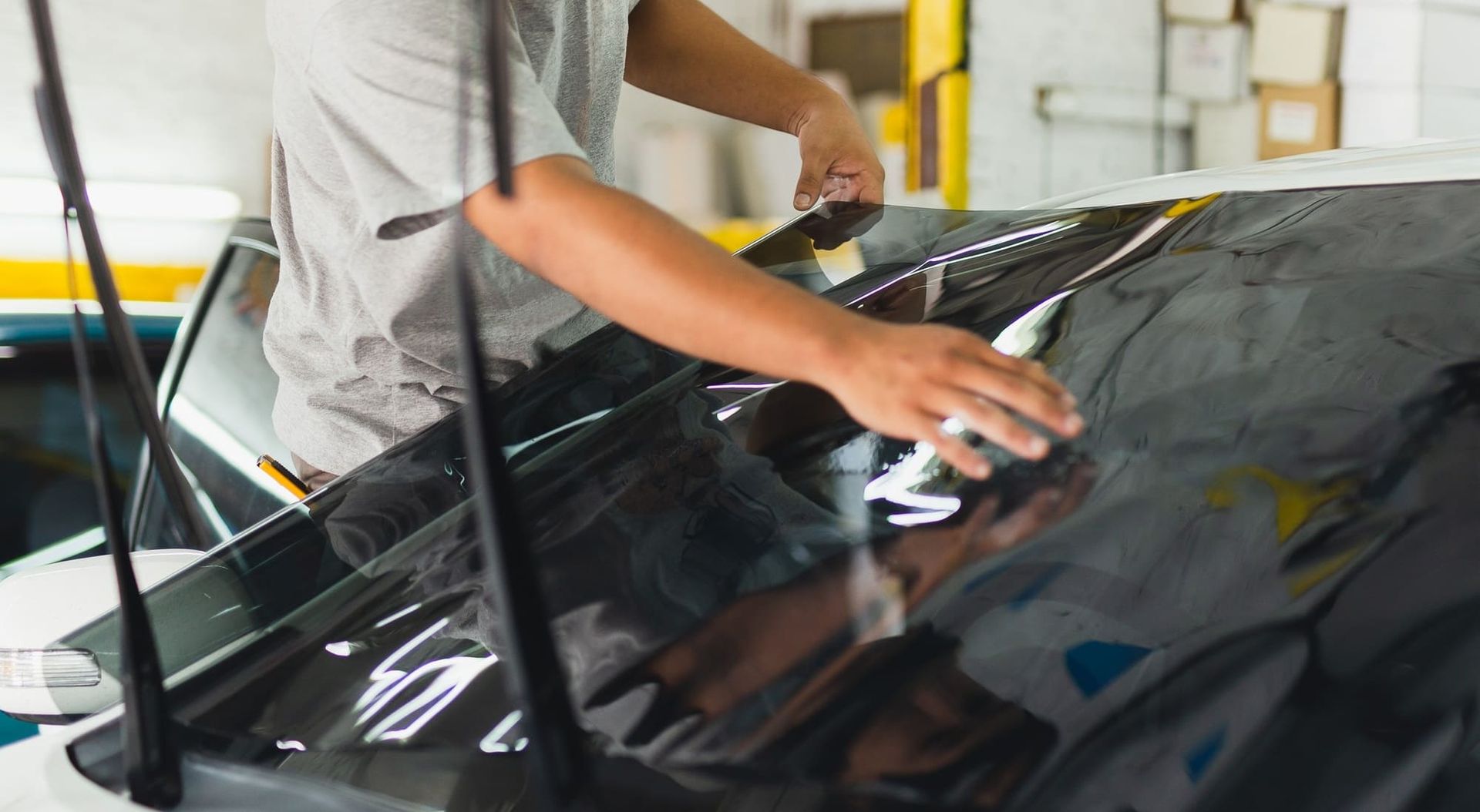
A windshield tint strip — sometimes called a sun strip or visor strip — is a band of tint film applied to the top portion of the windshield, positioned above the manufacturer's AS-1 line. It's designed to cut glare from low-angle sun without tinting the rest of the windshield, which needs to stay clear for visibility and legal compliance.
For most drivers, glare is an occasional annoyance. For drivers along the Grand Strand, it's a near-daily reality. Coastal roads run close to open water, and the sun's reflection off the ocean surface creates a second, intensified glare source in addition to direct sunlight — something inland drivers simply don't deal with in the same way. Morning commutes heading east toward the beach and evening drives heading back inland both put that low sun angle directly in a driver's line of sight, right where a tint strip does its job.
Is a Windshield Tint Strip Legal in South Carolina?
Yes — with specific limits. In South Carolina, non-reflective tint is allowed above the vehicle manufacturer's AS-1 line, which typically falls within the top five to six inches of the windshield. Anything below that line has to remain clear, with the narrow exception of a medical exemption for qualifying drivers.
For the rest of the vehicle, South Carolina requires front side windows to allow more than 27% visible light transmission (VLT) on passenger cars, and that same 27% minimum applies to the front side windows of SUVs, trucks, and vans, while rear windows on those vehicle types can be tinted darker. These rules matter for windshield strip installation too, since a reputable installer will confirm your full tint package — strip included — keeps you road-legal rather than risking a fix-it ticket.
One detail worth knowing: the law specifically requires the windshield strip to be non-reflective. That rules out older reflective or mirrored films that were once popular for glare control, and it's one of the main reasons ceramic film has become the standard recommendation.
Best Film Types for Coastal Glare Reduction
Not all window film performs the same way against glare. Here's how the main options compare for a windshield tint strip application.
| Film Type | Glare Reduction | Heat Rejection | Reflectivity | Best For |
|---|---|---|---|---|
| Dyed Film | Moderate | Low-Moderate | Low | Budget-conscious drivers, basic glare reduction |
| Metalized Film | High | High | High (often not compliant for windshields) | Not recommended for SC windshield strips |
| Ceramic Film | High | High | Low (non-reflective) | Best all-around choice for coastal glare |
| Carbon Film | Moderate-High | Moderate-High | Low | Strong alternative to ceramic, slightly lower heat rejection |
Ceramic film consistently comes out ahead for coastal driving because it delivers strong glare and heat rejection while staying non-reflective — meeting South Carolina's legal requirement for windshield tint without a tradeoff in performance. Dyed film is a lower-cost option that still reduces glare, but it doesn't reject heat as effectively, which matters during long, sun-soaked coastal commutes through the warmer months.
Why Coastal Sun Glare Is Different From Inland Glare
Reflected Light Off Open Water
Sunlight reflecting off the ocean surface adds a second glare source beyond the sun itself, particularly during the low-angle light of early morning and late afternoon — exactly when Grand Strand traffic tends to peak with commuters and beachgoers alike.
Open Sightlines Along Coastal Highways
Roads like Ocean Boulevard, Highway 17, and Highway 501 offer long, open stretches with few buildings or tree lines to break up direct sun exposure, unlike more shaded inland routes. That extended exposure adds up over a daily commute.
Sand and Light-Colored Pavement
Light-colored surfaces near the coast reflect additional sunlight compared to darker inland pavement and landscaping, compounding the glare drivers already deal with from the sun and water.
Windshield Strip vs. Full Clear Ceramic Windshield Film
Some drivers want glare protection that isn't limited to the top strip. That's where a full-coverage clear ceramic windshield film comes in — a film designed to sit across the entire windshield while remaining optically clear enough to meet visibility requirements. Here's how the two approaches compare.
| Factor | Windshield Tint Strip | Full Clear Ceramic Film |
|---|---|---|
| Coverage | Top 5-6 inches only | Entire windshield |
| Glare Reduction | Effective for low-angle sun at top of view | Reduces glare and UV across full field of view |
| Legal in SC | Yes, standard | Yes, when film meets clarity/VLT requirements |
| Visibility Impact | None below the strip | Minimal — designed to remain clear |
| Best For | Drivers who mainly deal with sun-visor-level glare | Drivers who want heat/UV/glare protection across the whole windshield |
A tint strip is the simpler, more affordable option and handles the classic "sun right in your eyes" scenario well. A full clear ceramic film is a bigger investment but extends UV blocking and heat rejection benefits across the entire windshield — a meaningful upgrade for anyone who spends a lot of time driving toward the coast during peak sun hours.
How Windshield Tint Strip Installation Works
1. Identifying the AS-1 Line
A trained installer locates the vehicle manufacturer's AS-1 line, which determines exactly where legal tint can begin on your specific make and model.
2. Selecting Film Type and Shade
Ceramic film is measured and cut to size, with shade selection based on your glare concerns and personal preference within the bounds of what's legal for the strip.
3. Glass Preparation
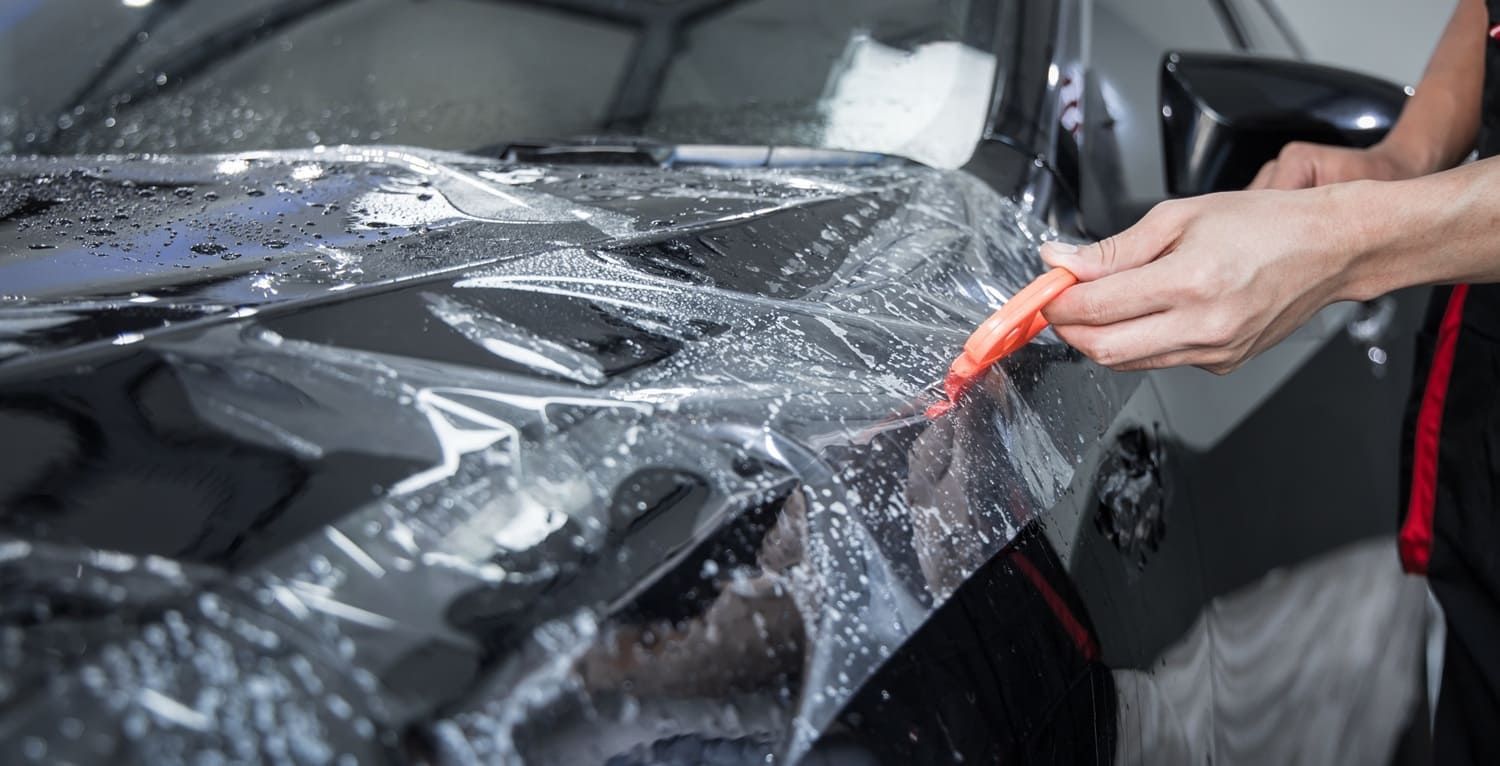
The windshield is thoroughly cleaned to remove dust and residue, since any contamination left behind can cause bubbling or an uneven edge along the strip.
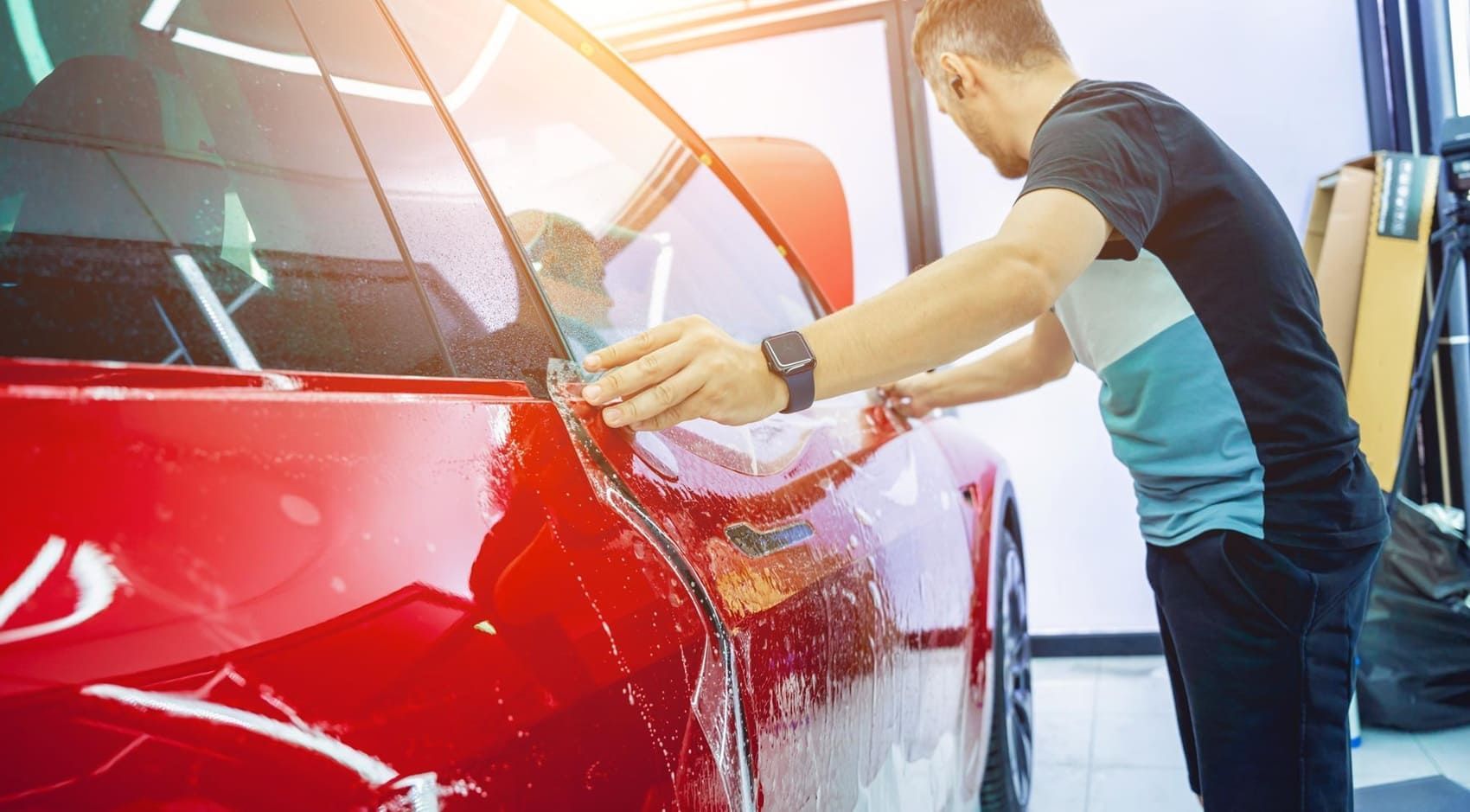
4. Precision Application
The film is applied and smoothed into place, with careful attention paid to a clean, straight edge along the AS-1 line for a factory-like finish.
5. Curing
Ceramic film typically needs a short curing period before reaching full clarity and performance. Minor haziness during this window is normal and resolves on its own.
Why Myrtle Beach Drivers Choose Myrtle Beach Window Tint
Myrtle Beach Window Tint has completed thousands of auto tint installations for drivers throughout Myrtle Beach, North Myrtle Beach, Conway, Socastee, Little River, Surfside Beach, Murrells Inlet, and the surrounding Horry County area. Installations are backed by a guarantee against color change, bubbling, and cracking for as long as the original owner has the vehicle, and technicians are trained specifically to install within South Carolina's legal tint requirements — including proper AS-1 line placement for windshield strips.
For coastal drivers specifically, that local familiarity matters: an installer who works with Grand Strand glare conditions every day understands the difference between a generic recommendation and a film choice that actually holds up against reflected ocean sun and long, exposed coastal commutes.
Frequently Asked Questions About Windshield Tint Strips
How dark can a windshield tint strip legally be in South Carolina?
South Carolina doesn't set a specific VLT percentage for the windshield strip itself, but it must be non-reflective and stay above the manufacturer's AS-1 line, typically the top five to six inches of the windshield.
Does a windshield strip actually help with glare from the ocean?
Yes. Since the strip covers the upper portion of your line of sight, it directly addresses the low-angle sun and reflected water glare that hits drivers during the early morning and late afternoon along coastal routes.
Can I tint my entire windshield instead of just the strip?
Yes, with a clear ceramic film specifically designed for full windshield coverage that maintains legal visibility while adding glare, heat, and UV reduction across the entire glass — not just the top strip.
Is ceramic film better than dyed film for coastal glare?
Generally, yes. Ceramic film offers stronger heat rejection and glare reduction while staying non-reflective, which keeps it compliant with South Carolina's windshield tint requirements. Dyed film is a lower-cost option but performs less effectively against heat.
Will a windshield strip affect my visibility while driving?
No, when properly installed within the legal AS-1 line boundary. The area below the strip remains completely clear, so your forward field of view is unaffected.
How long does a professionally installed windshield tint strip last?
With quality ceramic film and professional installation, a windshield strip typically lasts as long as you own the vehicle without bubbling, cracking, or fading, which is why Myrtle Beach Window Tint backs its installations with a long-term guarantee.
Cut the Glare on Your Grand Strand Commute
Coastal sun glare isn't something you have to just squint through every drive. A properly installed, legal windshield tint strip — or a full clear ceramic film for drivers who want coverage across the whole windshield — makes a real difference on the roads that run closest to the water.
Myrtle Beach Window Tint offers
free estimates for
auto window tinting throughout Myrtle Beach, North Myrtle Beach, Conway, Socastee, Surfside Beach, Murrells Inlet, and the greater Horry County area.
Call (843) 267-5222 or stop by 604 Seaboard Street, Suite 5,
Myrtle Beach, SC to find the right glare solution for your vehicle.