
What’s the Best Window Tint for SUVs in Myrtle Beach SC?
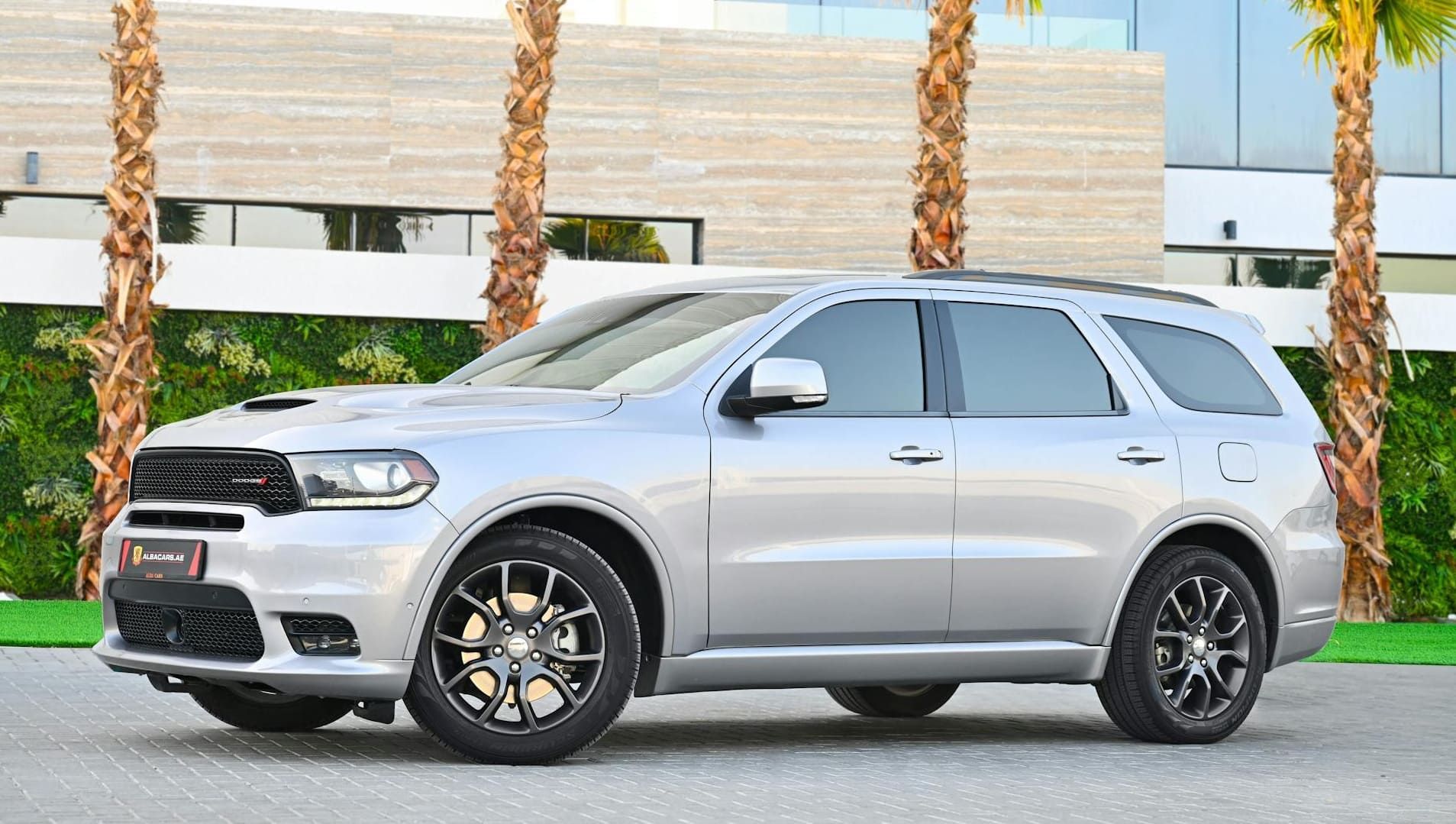
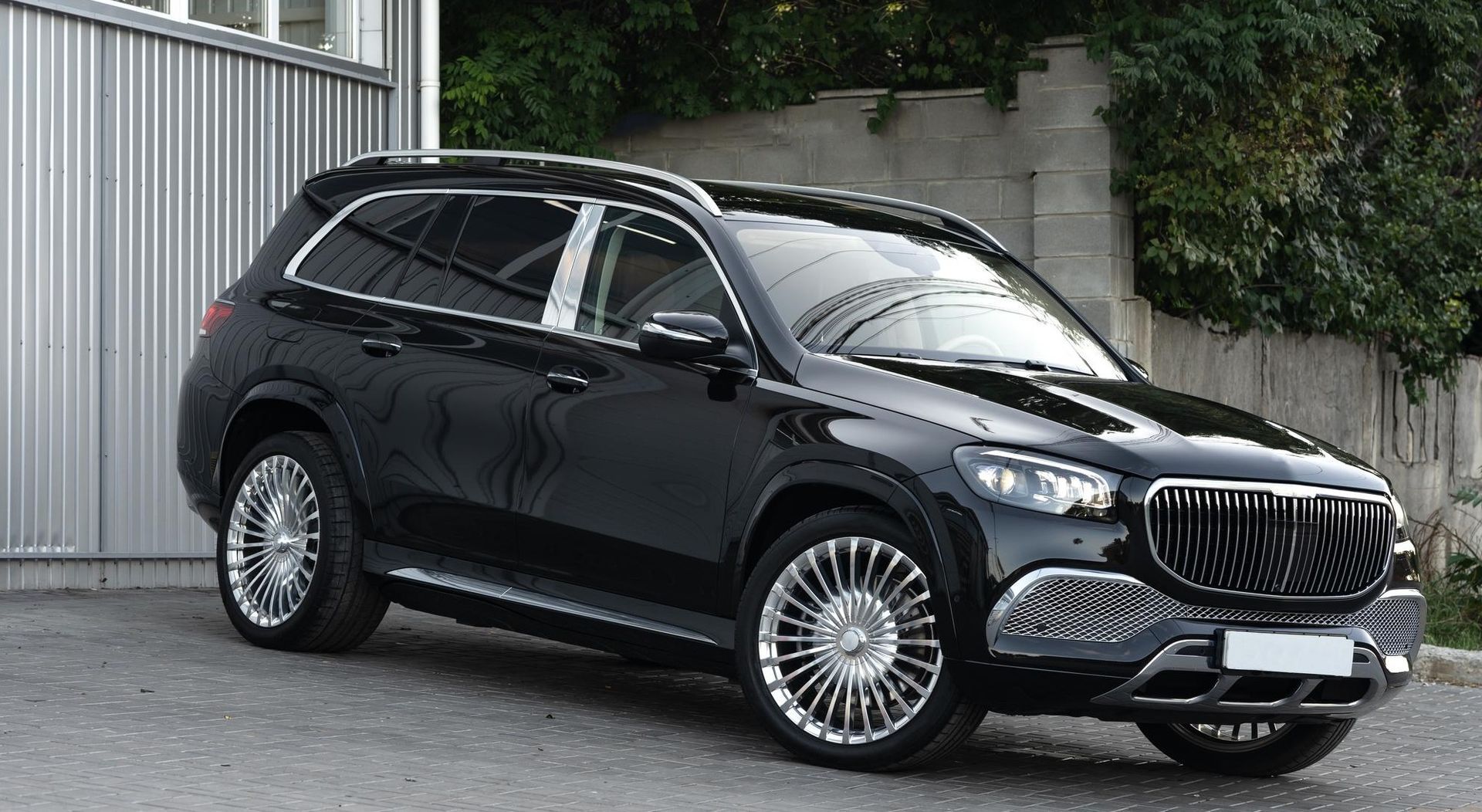
SUVs are built for space, comfort, and family road trips, but that larger cabin comes with a tradeoff in Myrtle Beach. Bigger side windows, a taller windshield, and often a large rear hatch window mean more glass, and glass is where heat and harsh coastal sunlight enter your vehicle. In a beach climate with intense UV exposure, humidity, and reflective glare off sand and water, an SUV can heat up quickly, fade interior materials faster, and make long drives feel exhausting. The right
window tint changes that experience by cutting infrared heat, filtering UV, and reducing glare while keeping visibility clear and safe. But not all tint performs the same. Film type,
heat rejection ratings, and Visible Light Transmission (VLT) all matter, and the wrong shade can reduce night visibility or create compliance issues. This guide breaks down how to choose the best
window tint for SUVs in
Myrtle Beach, SC, based on comfort, clarity, legality, and long term performance.
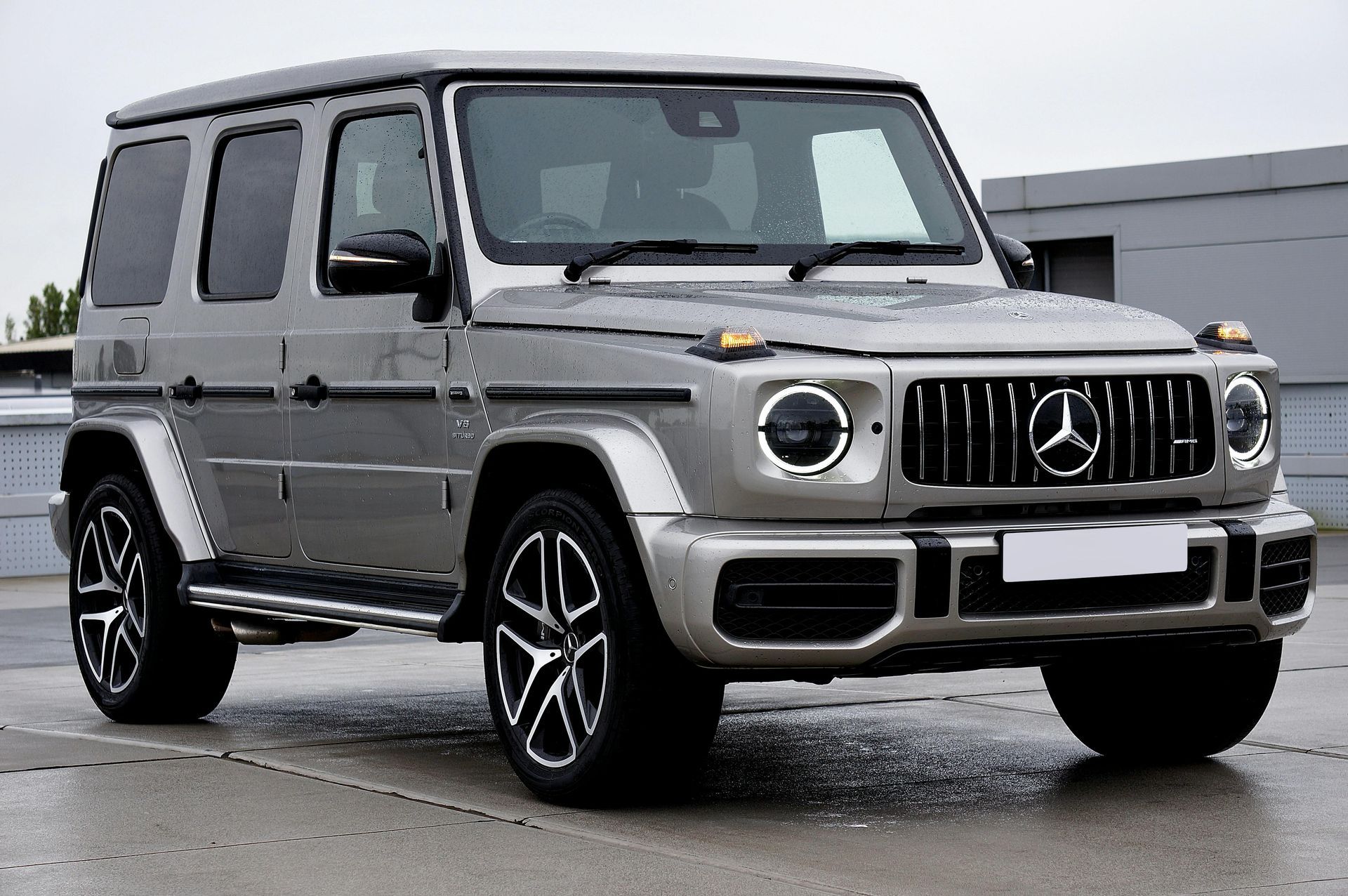
Table of Contents
- How window tint works and what VLT means
- Why SUVs need different tint than smaller vehicles
- Best tint types for SUV heat rejection (dyed vs carbon vs ceramic)
- Best tint percentages for SUVs in South Carolina
- Myrtle Beach coastal heat and humidity: what it changes
- Glare reduction, visibility, and driver comfort
- Why professional installation protects clarity and durability
- FAQ: SUV window tint in Myrtle Beach (15 questions)
1) How window tint works and what VLT means
Window tint is a thin, multi layer film applied to the inside of your vehicle glass. The film is engineered to do three main jobs: block UV, reduce glare, and reduce heat. Heat reduction depends on how well the film limits infrared (IR) energy, since IR is a major contributor to the “burning hot” cabin feeling on sunny days.
Two terms matter most for SUV owners searching for SUV window tint
heat reduction SC results:
VLT and
IR heat rejection . VLT stands for
Visible Light Transmission , which is the percentage of visible light that passes through the glass and film together. A lower VLT number means a darker appearance and less visible light passing through. A higher VLT number means a lighter tint that still can perform well if the film is high quality.
For
comfort and safety, you want a tint that balances
strong heat rejection with clear visibility . Many drivers assume “darker is cooler,” but that is not always true. A premium ceramic tint can reduce heat effectively even at lighter shades, which is why ceramic tint Myrtle Beach SC searches keep growing.
Quick definitions for search intent
- VLT (percent) : how much visible light gets through. Lower percent equals darker.
- UV rejection : how much ultraviolet light is blocked. Aim for very high UV protection.
- IR rejection : how much infrared heat energy is reduced. Higher is better for coastal heat.
- Glare reduction : how much bright sunlight is softened for daytime comfort.
2) Why SUVs need different tint than smaller vehicles
SUVs have more glass area, more headroom, and more interior surfaces exposed to direct sun. This changes your tint priorities compared with a compact car.
Key SUV specific considerations in Myrtle Beach
- More greenhouse effect : larger windows let more solar energy in, so the cabin warms faster.
- More passengers : kids and rear seat passengers are closer to side windows, so comfort and UV protection matter more.
- Visibility needs : SUVs sit higher, but rear visibility can be limited by pillars and headrests. Tint shade should not make backing up harder at night.
- Large rear hatch glass : a single large piece of curved glass often needs careful film forming and a clean install for clarity.
- ADAS and electronics : many modern SUVs have sensors, cameras, and antennas. Film selection should avoid signal interference risks.
That is why the best window tint for SUVs Myrtle Beach is usually less about choosing the darkest shade and more about choosing a high performance film that stays clear, resists coastal wear, and delivers measurable heat reduction.
3) Best tint types for SUV heat rejection (dyed vs carbon vs ceramic)
Most window tint Myrtle Beach options fall into three broad categories. They differ in performance, longevity, and comfort. For SUVs in coastal South Carolina, durability and heat rejection are the main differentiators.
Comparison table (easy scan format)
Dyed film
- Heat rejection : Low to moderate
- UV protection : Moderate to high (varies by brand)
- Glare reduction : Good
- Durability : Lower, more likely to fade over time
- Recommended use for SUVs : Budget builds, short term ownership, secondary vehicles
Carbon film
- Heat rejection : Moderate to high
- UV protection : High (varies by brand)
- Glare reduction : Good to very good
- Durability : Better color stability than dyed
- Recommended use for SUVs : Strong value choice for daily drivers in SC heat
Ceramic film (nano ceramic)
- Heat rejection : High to very high, strong IR reduction
- UV protection : Very high, ideal for interior preservation
- Glare reduction : Very good with clear optics
- Durability : Excellent, stable in sun and humidity
- Recommended use for SUVs : Best tint for large vehicles, coastal commuting, family SUVs, luxury SUVs
Why ceramic is often “best” for Myrtle Beach SUVs
- Delivers meaningful comfort gains without forcing the darkest VLT.
- Helps reduce AC load, especially during midday summer traffic.
- Protects dashboards, leather, plastics, and screens from UV damage.
- Offers premium clarity, which matters for tall cabins and large rear glass.
If your top priority is SUV window tint heat reduction SC performance with good visibility, ceramic tint is usually the strategic choice. Myrtle Beach Window Tint can match film selection to your exact SUV model and driving patterns.
4) Best tint percentages for SUVs in South Carolina
The best tint percentage for an SUV depends on your comfort goals, night visibility needs, and South Carolina legal limits. Because rules can vary by vehicle type and window position, confirm what is legal for your SUV configuration before choosing a shade.
Practical tint shade comparison for SUVs (structured “table”)
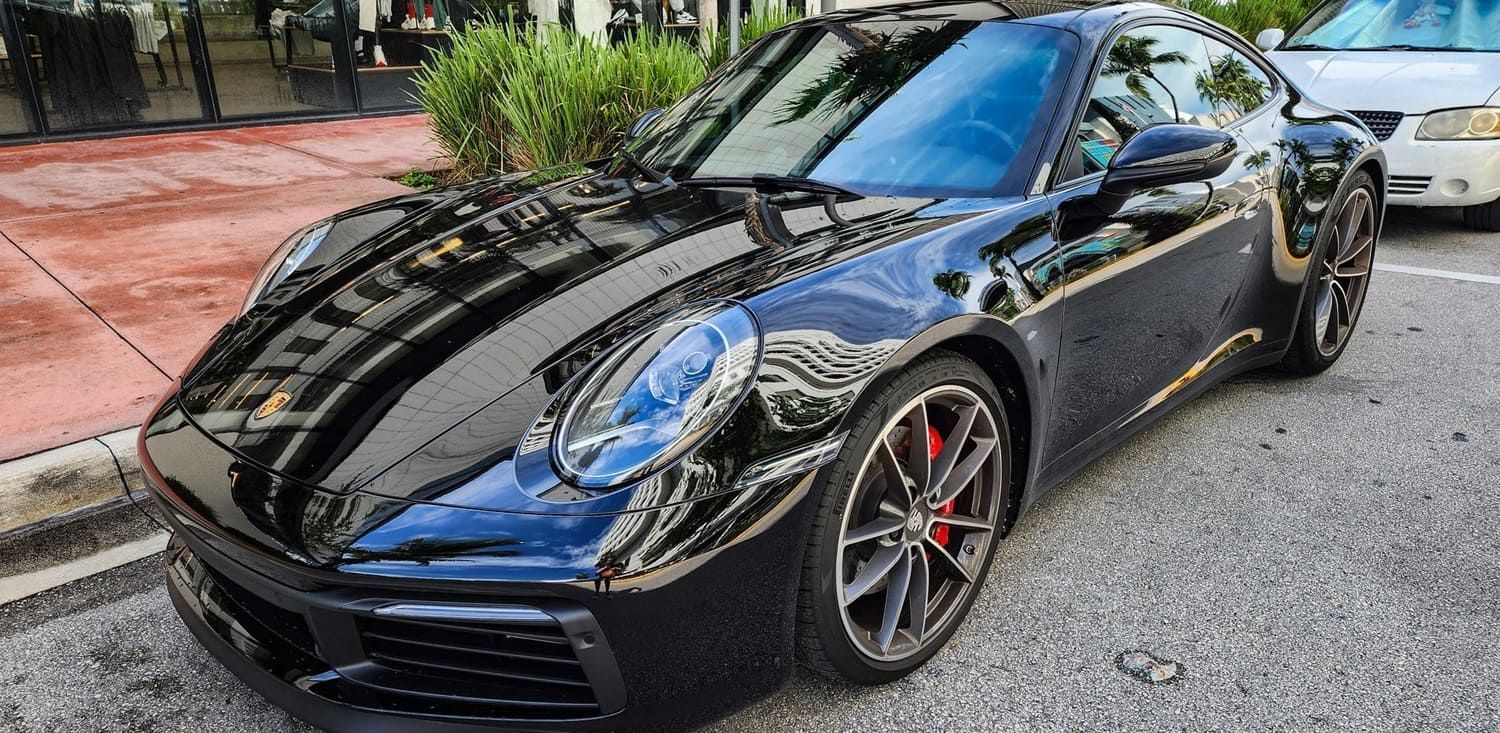
50% VLT (lighter)
- Visibility : Excellent day and night, minimal “darkening” feel
- Heat reduction : Good with ceramic film, modest with lower tier films
- Best for : Drivers prioritizing night clarity, highway commuters, front side windows in many setups
- Legal compliance : Often easier to keep compliant depending on window and vehicle rules
35% VLT (balanced)
- Visibility : Strong daytime comfort, still manageable at night for most drivers
- Heat reduction : Very good when paired with carbon or ceramic
- Best for : “Most drivers” shade, balanced privacy and safety
- Legal compliance : Common target, but verify limits for your specific windows
20% VLT (darker)
- Visibility : Strong privacy, can be challenging on unlit roads or in heavy rain
- Heat reduction : Not automatically better than 35% if film quality is lower
- Best for : Rear passenger windows for privacy and glare comfort, families, rideshare
- Legal compliance : Higher risk of non compliance depending on SC rules and factory glass
Recommended “SUV friendly” approach for Myrtle Beach
- Choose performance first : prioritize ceramic or high grade carbon for heat reduction.
- Use shade strategically : keep the driver and front passenger windows at a VLT that preserves night visibility, go darker in the rear if legal and desired.
- Match your routes : beach roads with glare, bridge drives, and evening rainstorms call for clarity.
If you want the safest path to compliance and comfort, ask Myrtle Beach Window Tint to measure your factory glass and recommend a shade that hits your goals without guesswork.
5) Myrtle Beach coastal heat and humidity: what it changes
Coastal climates change how you should evaluate window tint. Myrtle Beach brings high UV intensity, salt air, and humidity that can stress materials over time.
What coastal conditions do to SUVs
- Higher cabin heat load : sun plus humidity can make the vehicle feel hotter and stickier.
- More reflective glare : sunlight reflecting off water and sand increases eye fatigue.
- Interior fading risk : UV breaks down dashboards, trim, leather, and fabric faster.
- Longer AC run time : more fuel or battery use and more wear on HVAC components.
What to look for in film for coastal performance
- High UV protection : helps slow fading, cracking, and discoloration.
- Stable heat rejection : film should keep working after years of sun exposure.
- Clear adhesives and edge stability : reduces risk of hazing, bubbling, or peeling.
- Optical clarity : important for big rear glass and lane change checks.
This is where ceramic tint Myrtle Beach SC solutions tend to outperform dyed options over time. They are built for heat and UV control, and they typically hold color and clarity better in harsh sun.
6) Glare reduction, visibility, and driver comfort
Glare is not just annoying, it is a safety issue. SUVs often have a more upright windshield and larger side windows, which can increase the amount of bright light entering the driver’s field of view.
How tint improves glare and comfort
- Reduces eye strain on bright beach days and during afternoon commutes.
- Improves screen readability for factory displays and navigation, especially in high sun.
- Supports safer lane changes by cutting harsh side glare that can hide vehicles in mirrors.
- Stabilizes cabin comfort so you do not feel the sun “hot spots” on your arms and face.
Featured snippet style answer: What tint helps glare the most?
The best tint for glare reduction is a high quality film with consistent visible light control and strong optical clarity. In Myrtle Beach, many SUV owners choose ceramic film because it reduces glare while keeping visibility crisp, especially through large windows.
For drivers who frequently travel at night, a slightly lighter VLT paired with a high performance film can be the best balance. You get comfort in the day without sacrificing clarity at dusk, in rain, or on darker roads away from the beachfront.
7) Why professional installation protects clarity and durability
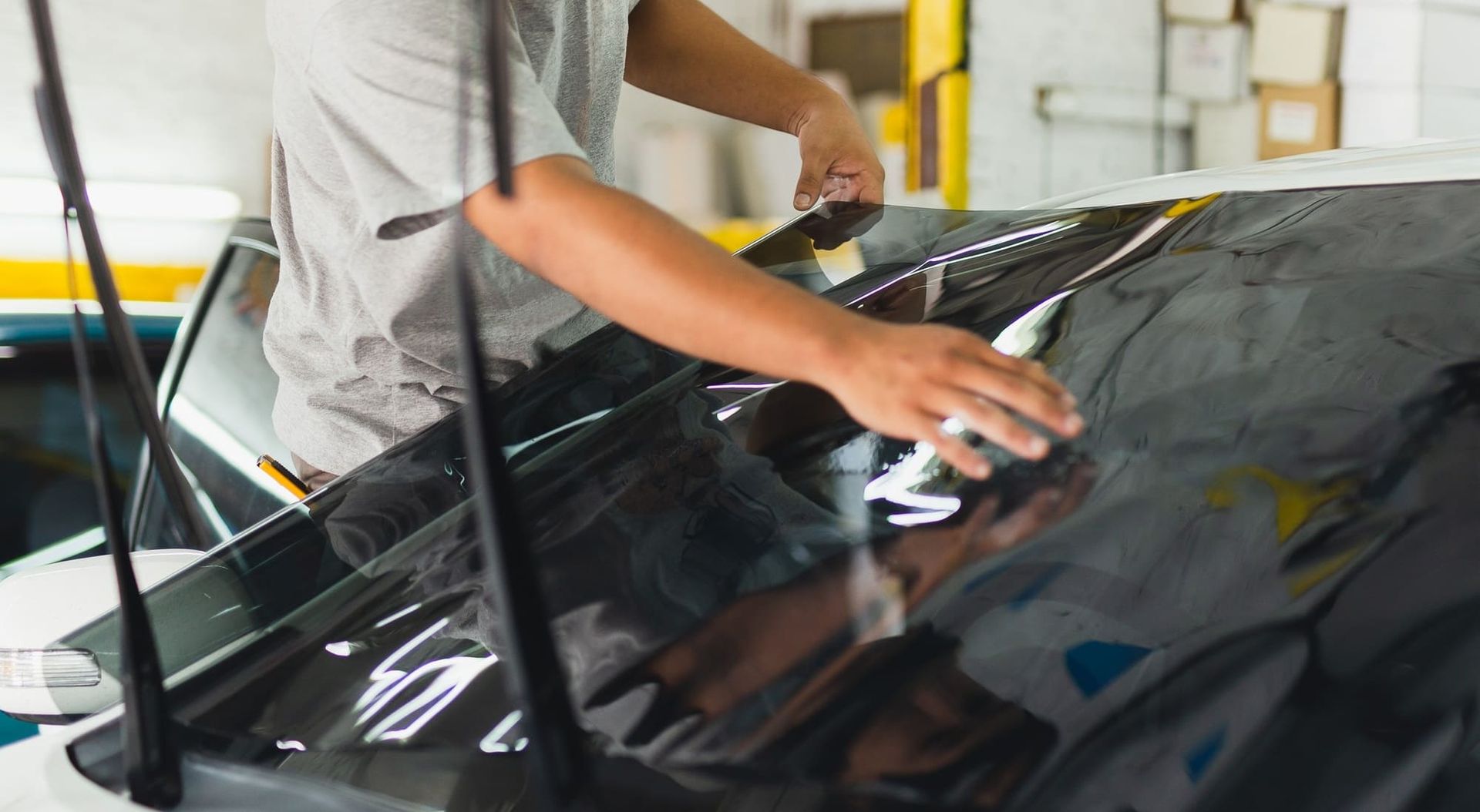
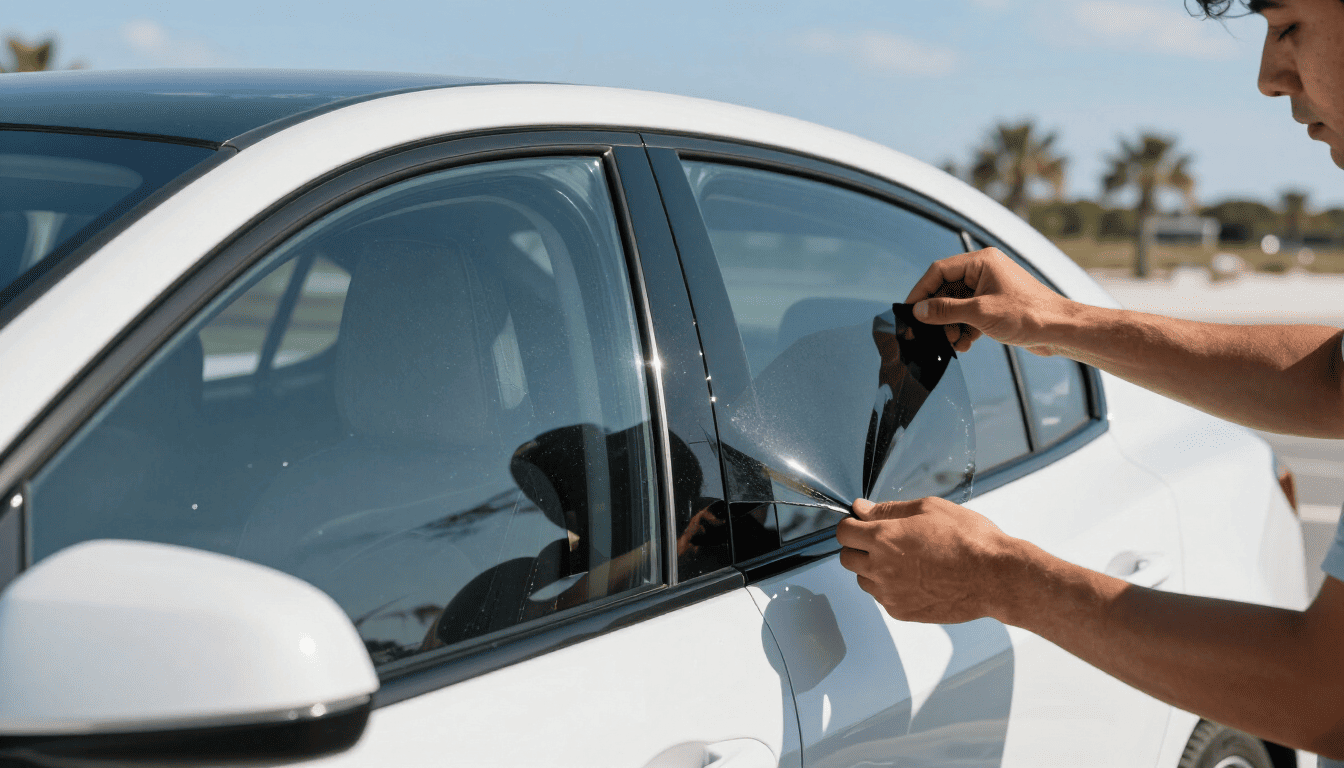
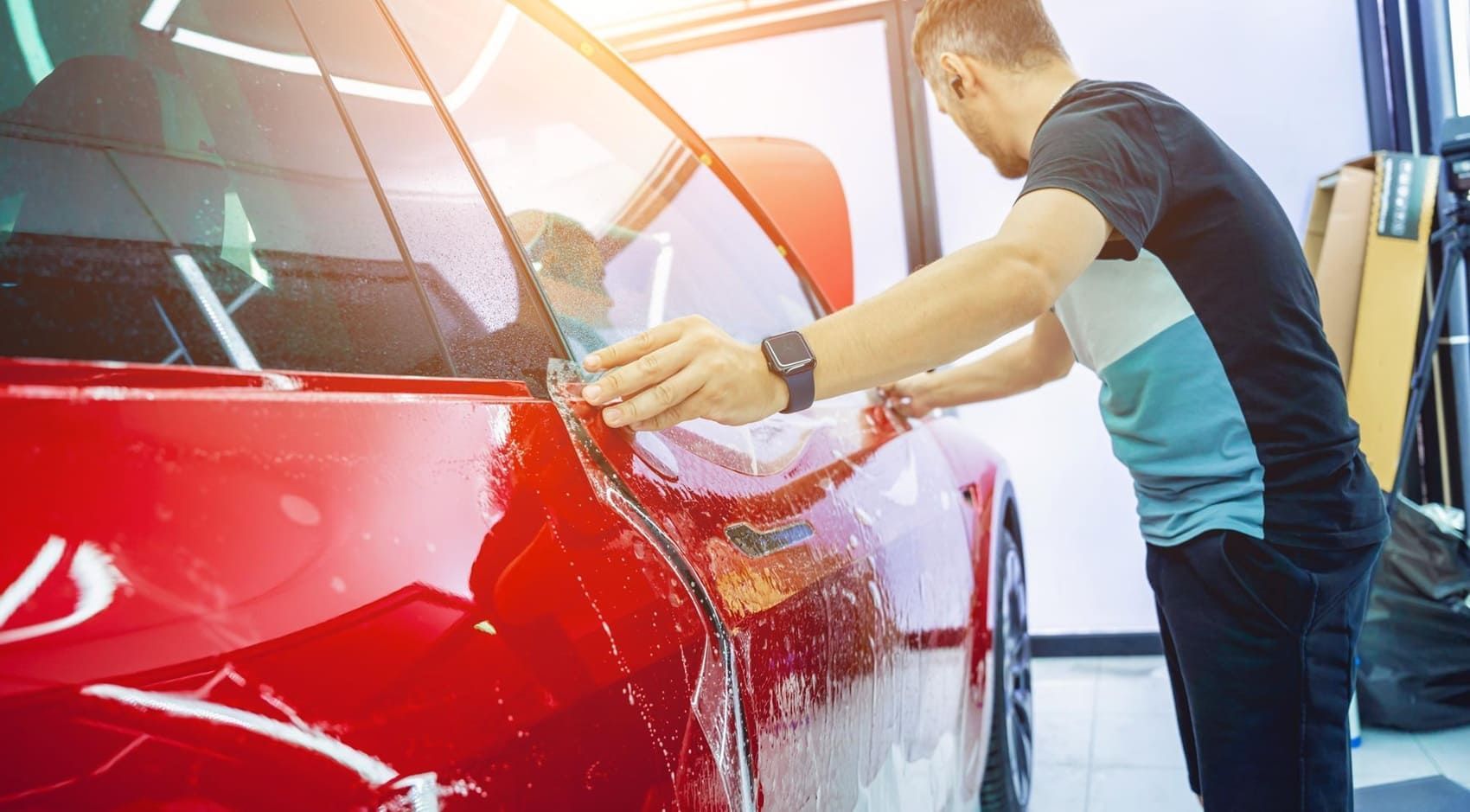
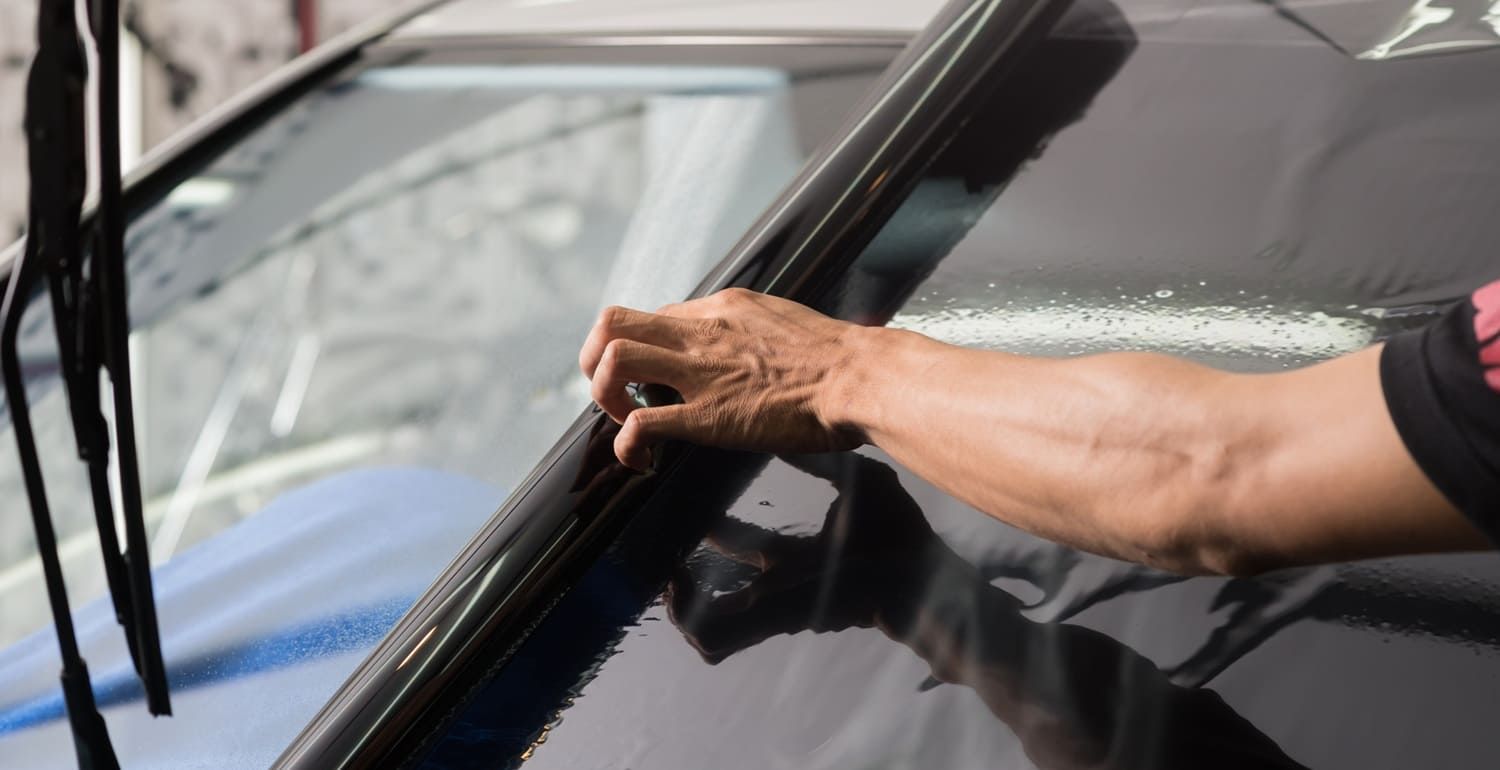
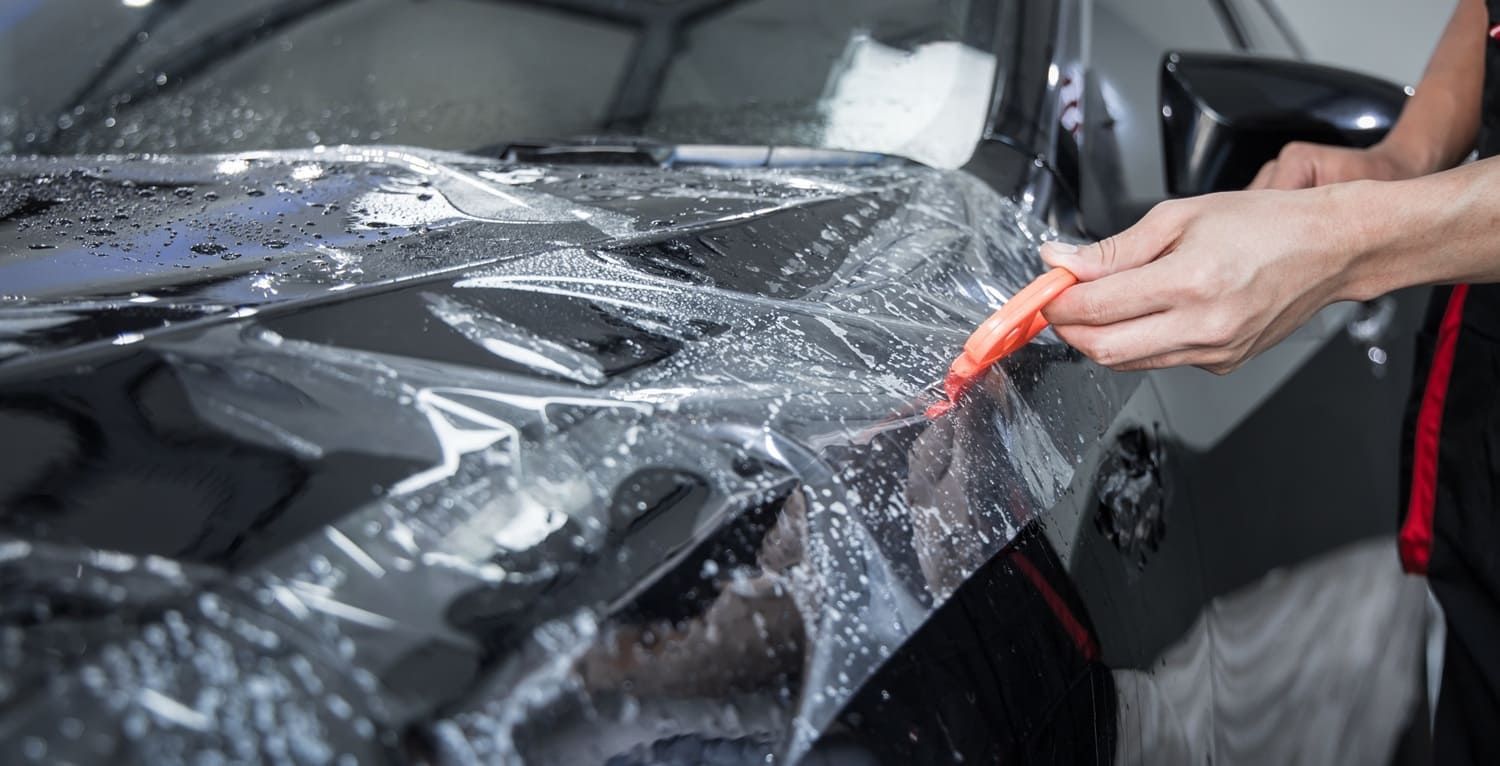
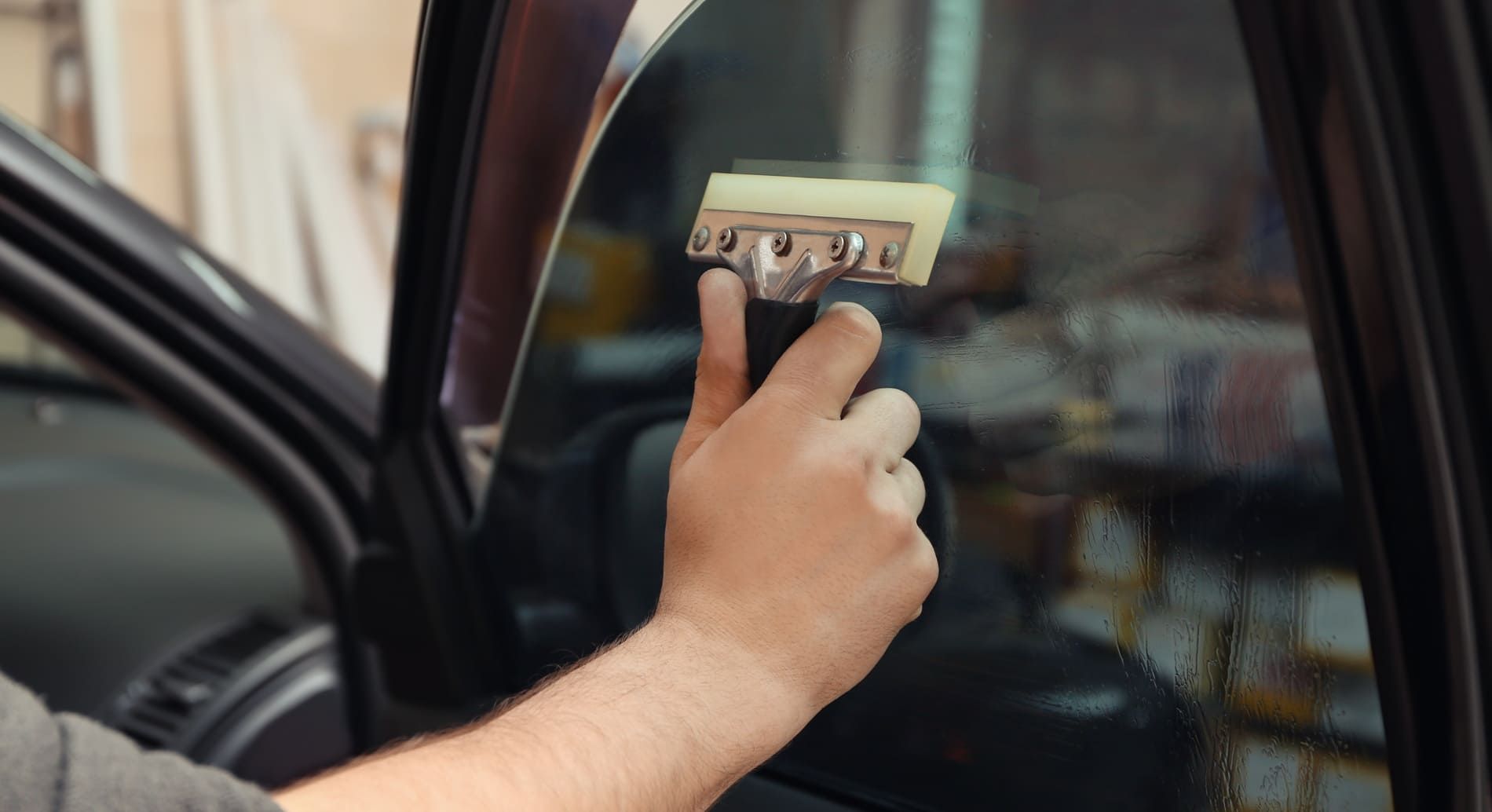
Even the best film can fail if it is installed poorly. SUVs require extra skill because of larger window surfaces and, on many models, complex curves on the rear glass.
Why professional installation matters for SUVs
- Better clarity : proper glass prep reduces contamination that causes haze or distortion.
- Correct shrinking and forming : essential for curved rear windows common in SUVs.
- Cleaner edges : reduces peeling risk and helps the tint look factory finished.
- Film and shade matching : consistent appearance across front, rear, and hatch glass.
- Warranty support : reputable shops stand behind materials and workmanship.
Myrtle Beach Window Tint focuses on SUV specific needs: heat reduction for large vehicles, glare control for coastal driving, and installation quality that preserves visibility. If you want a film that lasts, professional installation is part of the product.
FAQ: SUV window tint in Myrtle Beach (15 questions)
Do SUVs need darker tint than sedans?
Not necessarily. SUVs often benefit more from higher performance film, like ceramic, than simply going darker. Darker VLT can reduce visible light, but heat rejection depends heavily on film technology.
What is the best window tint for SUVs Myrtle Beach drivers?
For most coastal daily drivers, ceramic tint is the best all around option because it provides strong heat and UV reduction with excellent clarity.
What tint is best for large SUVs with third row seating?
Prioritize high UV protection and strong IR heat rejection to keep rear passengers comfortable. Many owners choose ceramic film and a slightly darker rear shade when legal.
Is ceramic tint worth it in Myrtle Beach, SC?
In a high sun coastal environment, ceramic tint often pays off through better comfort, reduced AC use, and improved interior preservation.
What does VLT mean and why should I care?
VLT is Visible Light Transmission. It affects how dark the windows look and how much light you have for night driving and rainy conditions.
How do I choose between 20%, 35%, and 50% for an SUV?
Choose based on visibility needs and compliance. Many drivers prefer a balanced shade like 35% for comfort, and a lighter option up front for night clarity, paired with high performance film.
Is 20 percent tint too dark for night driving?
It can be for some drivers, especially on unlit roads or in storms. If night visibility is a concern, consider 35% or 50% with ceramic film.
What is legal for window tint in South Carolina?
South Carolina tint rules depend on the window location and vehicle classification. The safest approach is to have the shop verify legal limits and measure your factory glass before installation.
Does tint reduce UV exposure for passengers?
Yes. A quality film can significantly reduce UV exposure through side windows, which is especially important for kids and frequent rear seat passengers.
Does window tint help with heat in an SUV parked outside?
Yes. It can lower heat buildup and make the cabin recover faster once you start driving, especially when paired with a windshield sunshade and good ventilation habits.
Will tint affect my GPS, phone signal, or key fob?
Most modern ceramic and carbon films are designed to minimize interference. Avoid low quality metallic films if connectivity is a top concern.
How does coastal humidity affect tint durability?
Humidity can expose weak installation methods and low quality adhesives over time. Professional installation and premium films reduce the risk of bubbling and edge issues.
How long does SUV window tint last?
Longevity depends on film type and install quality. Ceramic films typically have better long term stability than basic dyed films.
What warranty should I look for?
Look for coverage that protects against bubbling, peeling, and discoloration. Myrtle Beach Window Tint can explain warranty terms for each film option.
What is the fastest way to pick the right tint for my SUV?
Start with your goals: heat reduction, glare control, privacy, and night visibility. Then choose film type first and shade second, with a shop verifying legal limits and factory glass.
Conclusion: Choosing the best SUV window tint in Myrtle Beach
The best tint for large vehicles is the tint that keeps your SUV cooler, reduces coastal glare, blocks UV, and stays clear in real world driving. In Myrtle Beach and the surrounding Grand Strand, ceramic film is often the top choice because it delivers strong heat reduction without forcing you into the darkest VLT. Pair the right film with the
right shade, confirm South Carolina compliance, and invest in professional installation so the results look clean and last for years.
Ready to upgrade comfort and visibility?
Contact
Myrtle Beach Window Tint for a
free estimate and a personalized recommendation for your SUV. We will help you choose the best window tint for SUVs Myrtle Beach drivers trust, based on your vehicle, your routes, and the coastal conditions you drive in every day.