

Ceramic Coating or Paint Protection Film: What to Choose?
Why Paint Protection Matters for Myrtle Beach Drivers
The coastal beauty and sunny climate of Myrtle Beach, SC, make it an incredible place to own and drive a car. But these same advantages come with challenges: intense year-round sun exposure, sandy road debris, salty air from the ocean, frequent humidity, and a higher risk of paint damage over time. Whether you have a family SUV, a daily sedan, or a prized sports car, protecting your vehicle’s pristine finish in Myrtle Beach isn’t just about aesthetics—it’s about long-term value, performance, and peace of mind. Without reliable protection, the environment here can quickly lead to faded paint, unsightly chips, corrosion, or rapid depreciation. That’s why choosing the right paint protection—ceramic coating or
paint protection film (PPF)—is a must for car owners in this region. But which is right for you? This guide will help you make the smartest choice.
Table of Contents
- Understanding Paint Protection Solutions
- Ceramic Coating: Technology and Benefits
- Paint Protection Film (PPF): Technology and Benefits
- Durability and Longevity: Ceramic Coating vs. PPF
- Protection Levels Compared: Sun, Salt, and Debris
- Costs & Maintenance Needs: What to Expect
- Appearance, Gloss, and Aesthetic Impact
- Myrtle Beach Conditions: What's Best for Our Climate?
- Frequently Asked Questions (FAQ)
- Conclusion: How to Choose the Best Protection
Understanding Paint Protection Solutions
When it comes to paint protection Myrtle Beach SC
drivers have two main professional-grade options: ceramic coating and paint protection film (PPF). Both serve to shield your car’s finish against the harshest elements. Ceramic coatings are advanced liquid polymers that bond with your paint, creating a hydrophobic surface that resists water, dirt, and UV damage. PPF—sometimes called clear bra or car protection film—is a physical, transparent film applied directly to the vehicle's painted surfaces, offering a robust barrier against scratches, chips, and road hazards.
Car enthusiasts, daily commuters, and seasonal residents alike often ask which protection system is best for their needs. Choosing wisely can save you thousands in repairs and maximize your car’s beauty and resale value. This article will break down the science, performance, and practical pros and cons of both technologies, so you get the right fit for Myrtle Beach conditions.
Ceramic Coating: Technology and Benefits
What It Is:
Ceramic coating is a liquid nano-ceramic polymer that’s carefully applied and cured over your vehicle’s paint, glass, and even wheels. The coating forms a permanent, semi-permanent, or long-lasting bond—depending on the product—resulting in an ultra-slick, protective layer.
How It Works:
This molecular barrier repels water, resists environmental contaminants, and blocks damaging UV rays that cause paint to fade. The hydrophobic effect means rain, dirt, pollen, and bird droppings have a much harder time sticking, making washing your car easier while maintaining a deep gloss.
Benefits:
- Enhanced shine and a stunning, mirror-like gloss
- Strong protection against UV rays and light chemical stains
- Resists oxidation and fading in sunny climates
- Makes your car easier to clean (dirt and grime don’t stick!)
- Reduces the need for frequent waxing
- Professional ceramic coating can last 2–5 years with proper care
Paint Protection Film (PPF): Technology and Benefits
What It Is:
PPF is a multi-layer, ultra-clear polyurethane material designed to shield a car’s exterior from physical hazards.
How It Works:
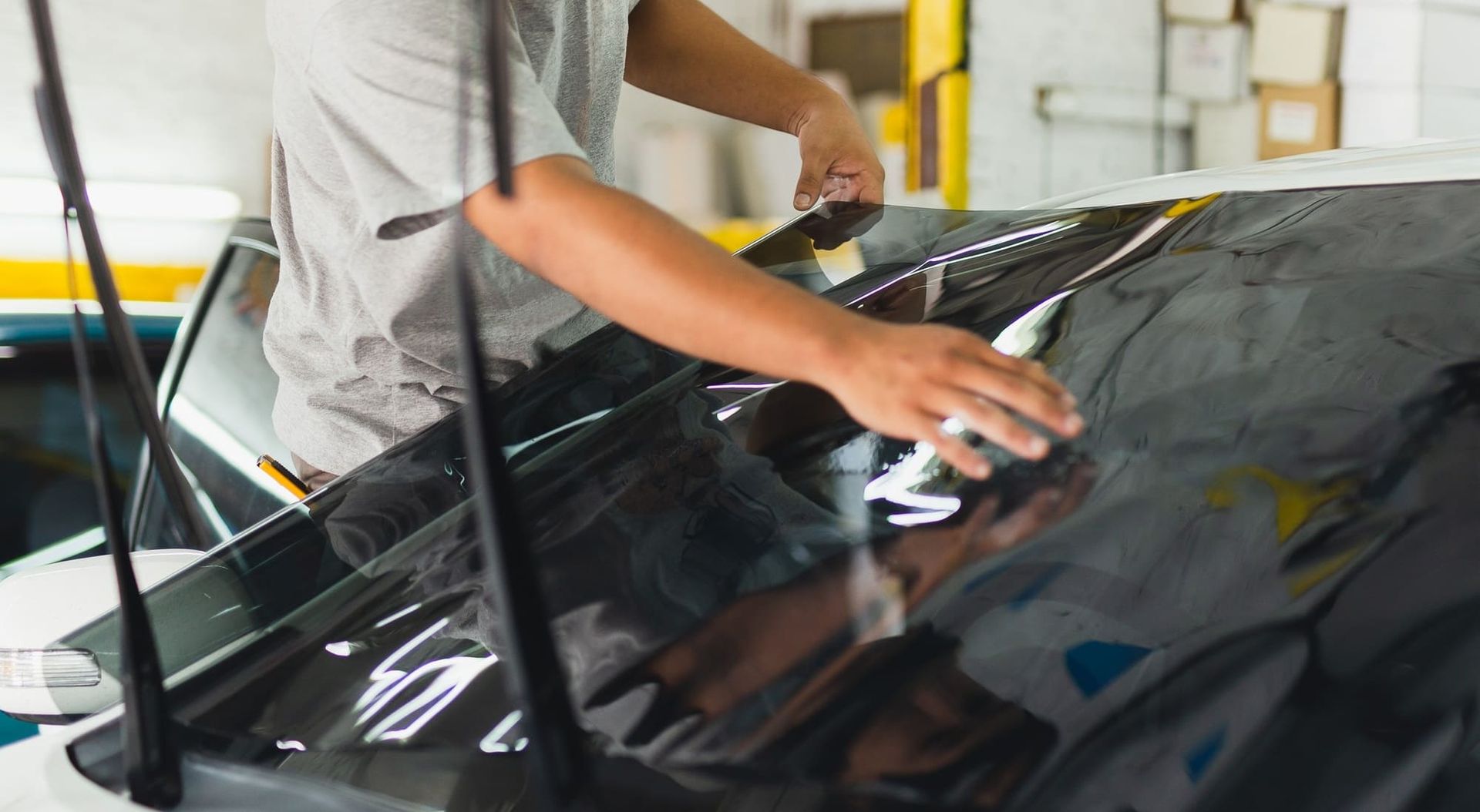
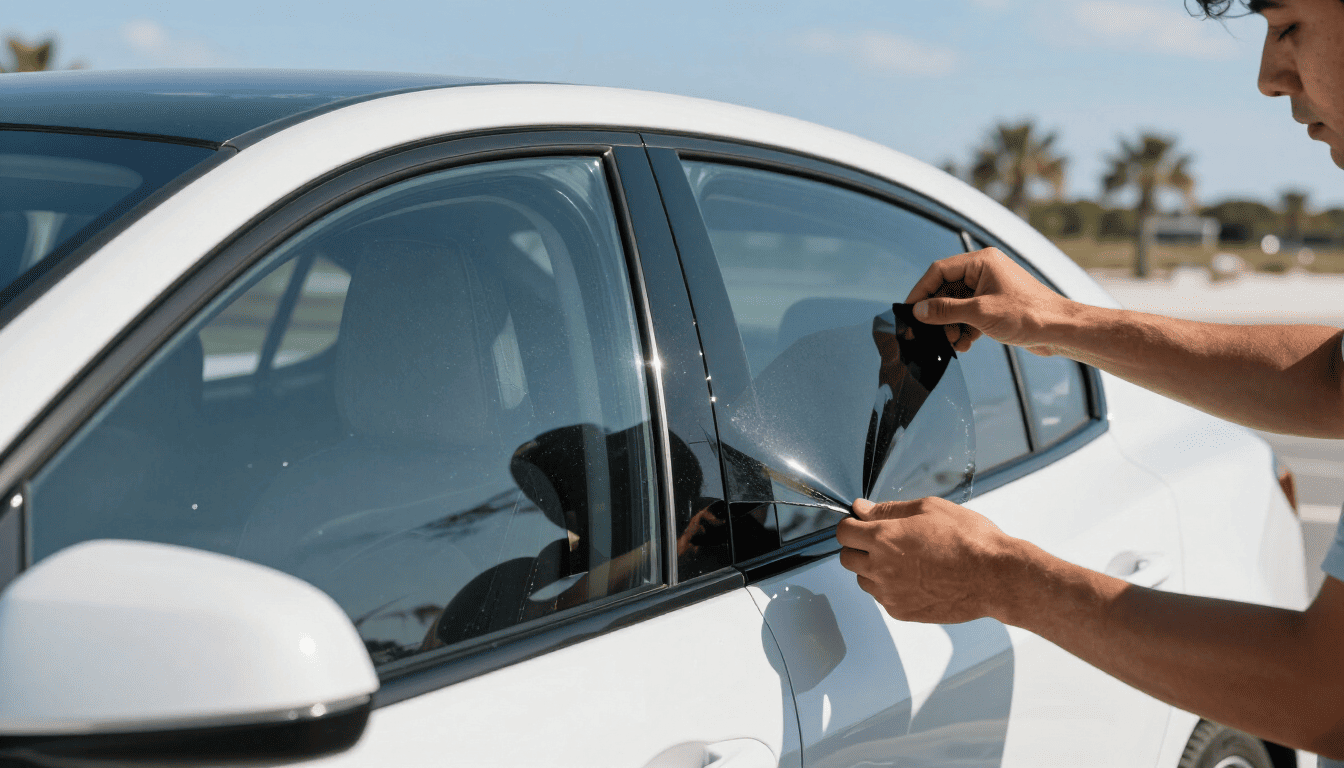
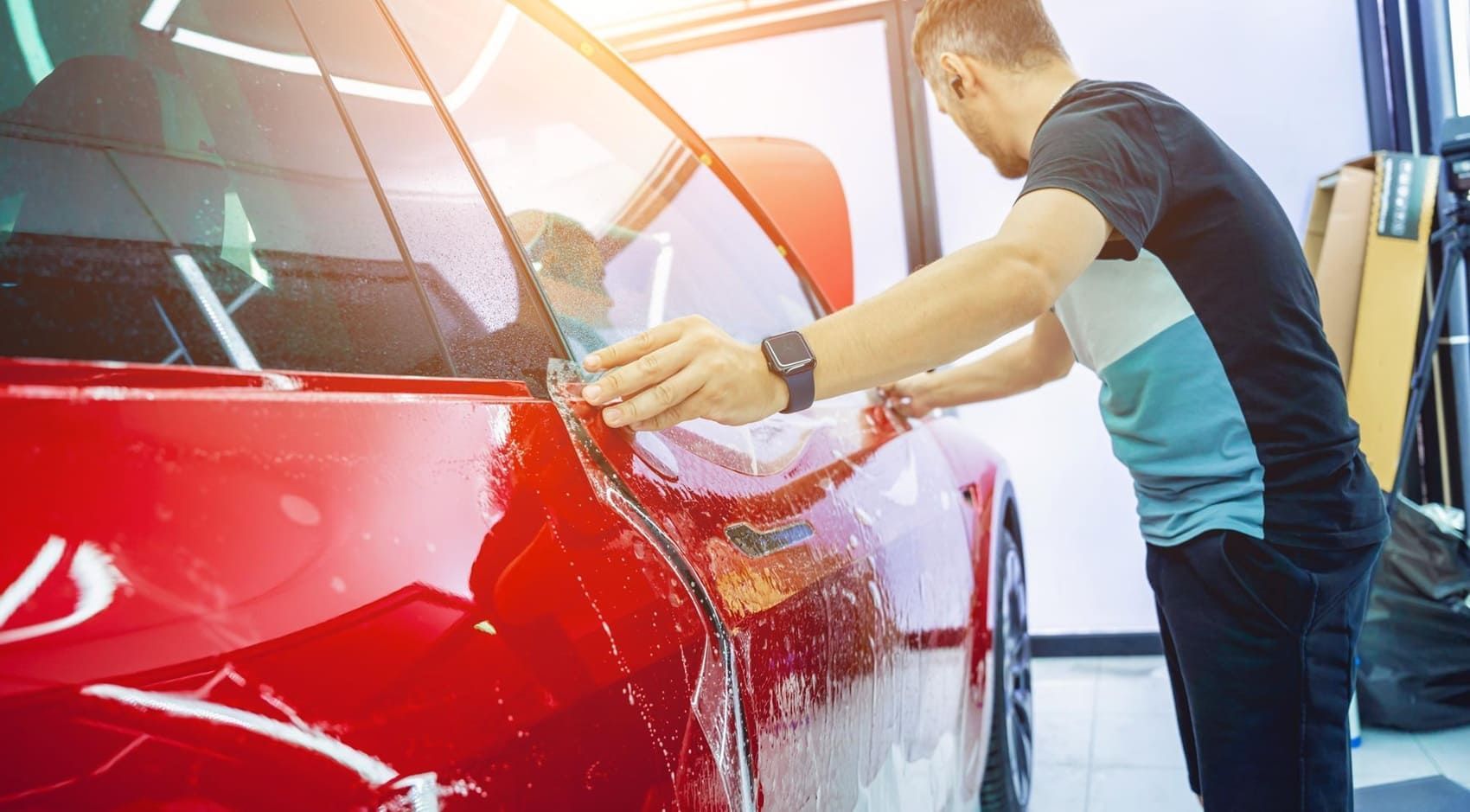
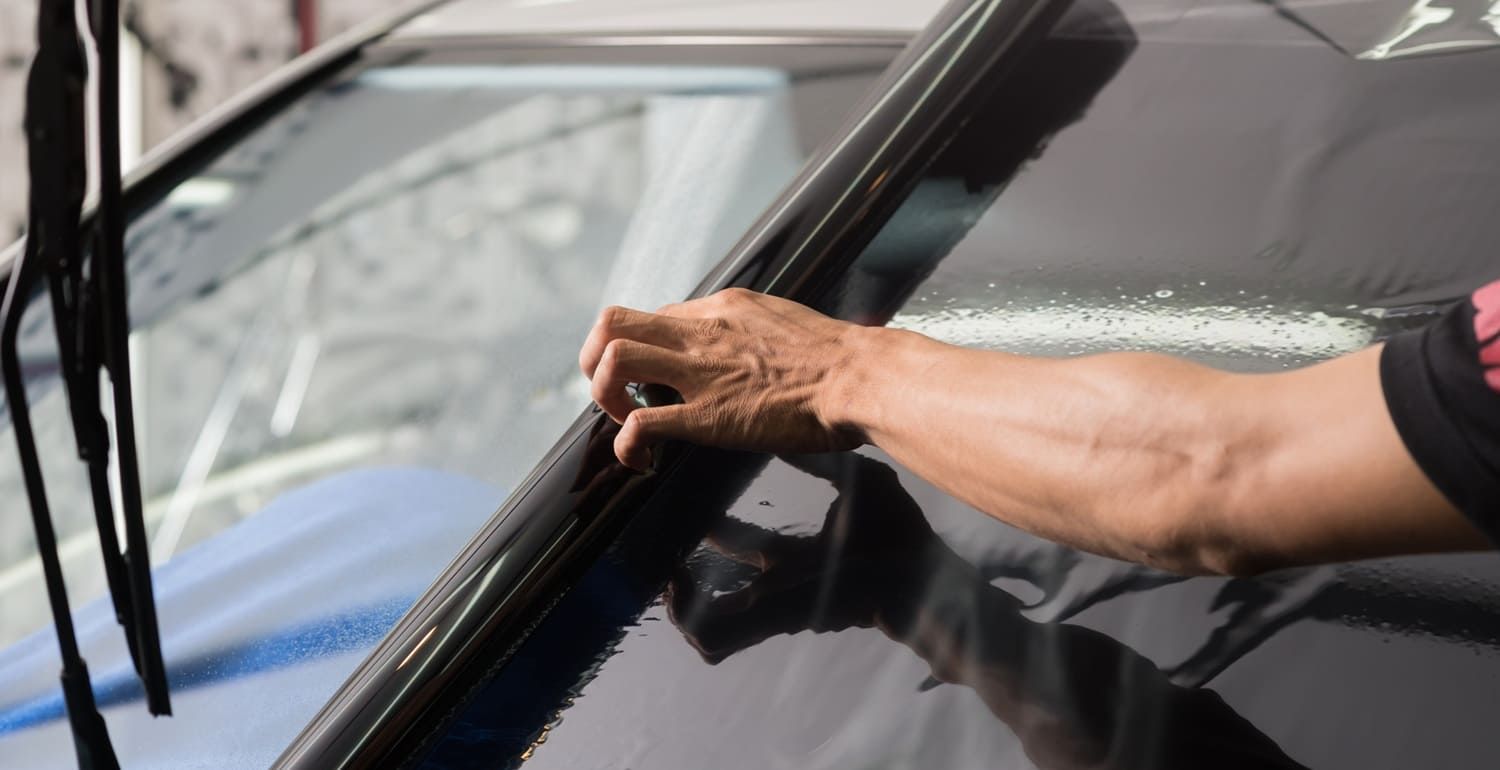
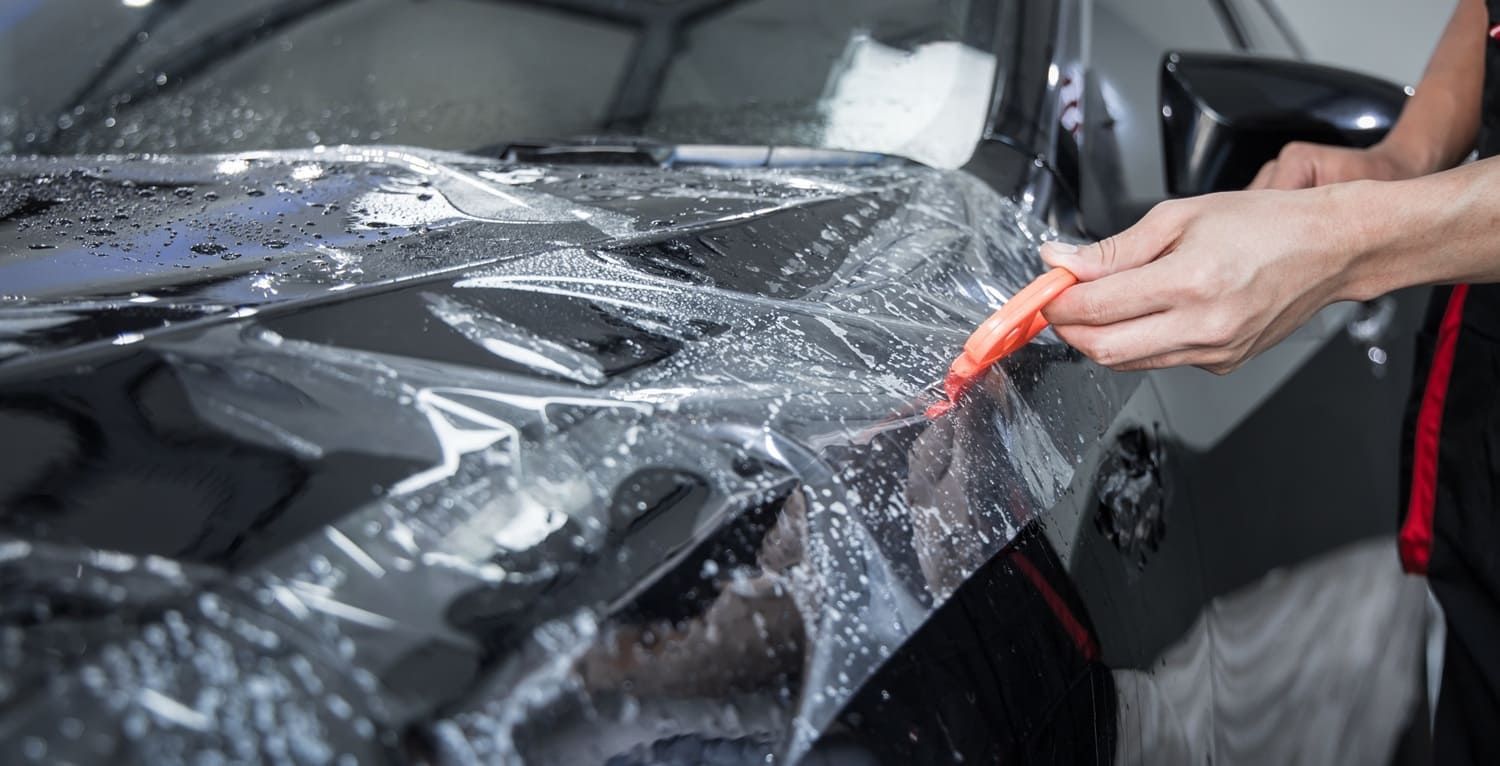
PPF is precision-cut and carefully installed onto the most vulnerable areas of your car—hood, bumper, side mirrors, and even full-body coverage. The film absorbs impacts from road debris, sand, gravel, and resists scratches and chips better than any other protection option. Many premium PPFs include self-healing technology that erases minor scratches with the sun’s warmth.
Benefits:
- Unrivaled impact resistance against chips and scratches
- Strong defense against sand, salt, and debris—critical for coastal areas
- Blocks UV and prevents yellowing/fading
- Maintains paint’s original clarity and finish
- Professional PPF can last 5–10 years or more
- Helps retain
resale value for high-end vehicles
Durability and Longevity: Ceramic Coating vs. PPF
Ceramic Coating: Offers 2–5 years of solid performance when professionally applied and maintained. Improper application or neglect (such as failure to wash contaminants off soon) shortens lifespan. Weather, driving habits, and storage (garage vs. street) can also affect longevity.
PPF: When applied expertly, PPF can last 5–10 years. It’s physically sturdy and highly resistant to chemical breakdown.
Self-healing films can even recover from swirl marks and micro-scratches under gentle heat.
Here’s a quick reference table:
| Feature | Ceramic Coating | Paint Protection Film (PPF) |
|---|---|---|
| Longevity | 2–5 Years | 5–10 Years |
| Impact Resistance | Low | Very High |
| UV Protection | High | Very High |
| Self-Healing | No | Yes (premium films) |
| Gloss Level | Exceptional | Excellent (nearly invisible) |
| Price (Full Coverage) | $$$ | $$$$ |
Protection Levels Compared: Sun, Salt, and Debris
UV and Sun Protection:
Both solutions block a high percentage of harmful rays, reducing sun-induced fading. Ceramic coating performs very well here; PPF often goes a step further, especially with thicker films.
Debris and Impact Resistance:
PPF is the clear winner. If you worry about gravel, shopping carts, sand blasts, or door dings, PPF adds a physical line of defense. Ceramic coatings won’t prevent chips from rocks or scratches.
Corrosion and Salt Defense:
Both options offer hydrophobic barriers that minimize the damage from salty coastal humidity and road grime. For vehicles seeing regular beach driving or exposure to briny air, consider PPF on vulnerable surfaces and ceramic coating elsewhere for all-around defense.
Costs & Maintenance Needs: What to Expect
Cost: PPF is a larger upfront investment, especially for full coverage; costs typically range from $1,200–$7,000+ depending on coverage and vehicle type. Ceramic coatings are more budget-friendly, starting between $800–$2,000 for full applications.
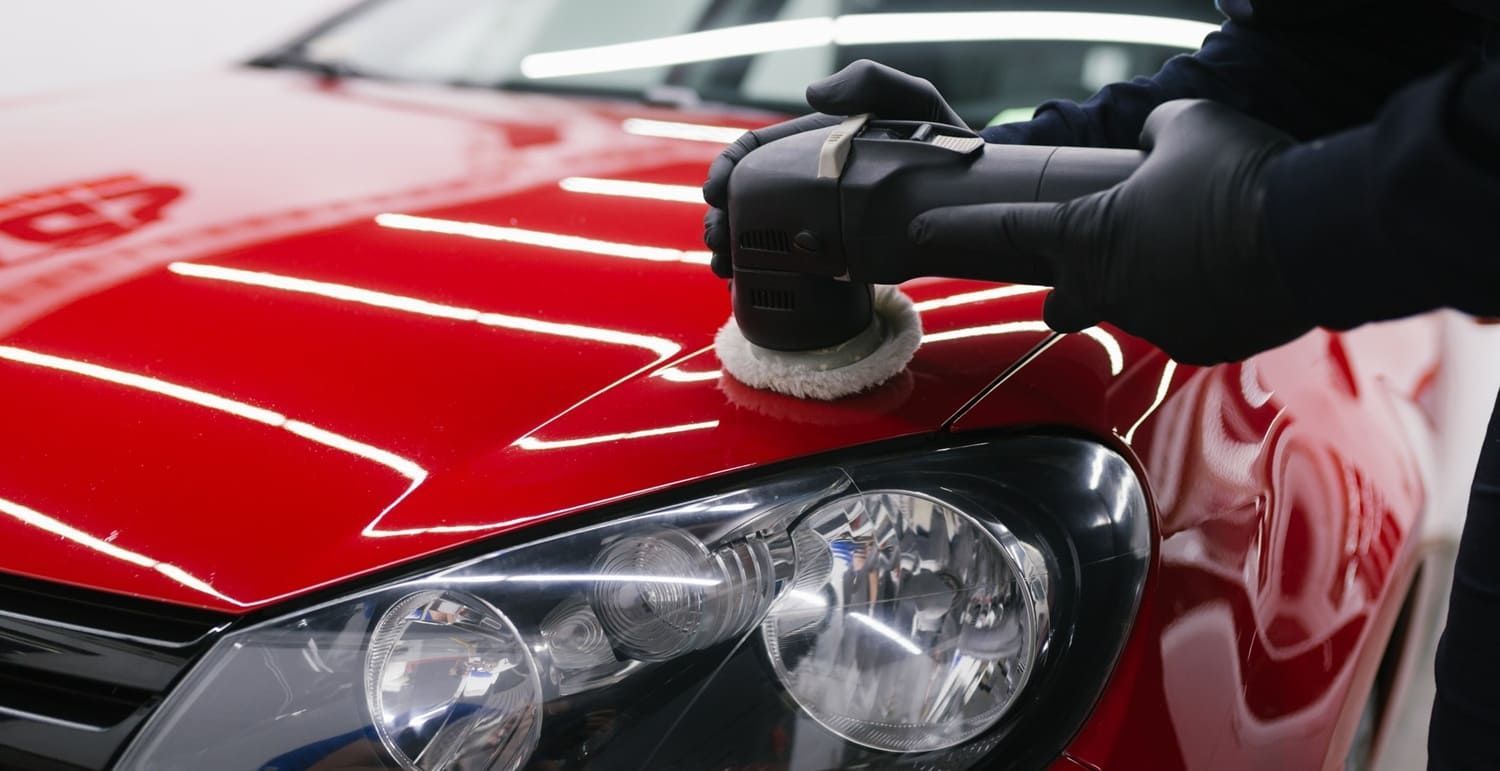
Maintenance: Ceramic coatings drastically cut back on cleaning time; routine washes are easier and water spots are less likely. However, abrasive washing or poor care will degrade the coating’s effectiveness. PPF is strong against washing swirls and light scratches but benefits from regular gentle cleaning. DIY maintenance kits and annual inspections help preserve both types of protection.
Appearance, Gloss, and Aesthetic Impact
Gloss Level:
Ceramic coating is famous for a “candy-gloss” finish with rich color depth and silky feel. PPF, particularly modern high-gloss films, is nearly undetectable and admirably glossy but sometimes just a touch less vivid than freshly coated ceramic finishes.
Yellowing & Clarity:
Today’s best PPFs remain crystal clear for years (especially if maintained and not exposed to harsh chemicals), but cheaper films may eventually yellow. Ceramic coatings don’t yellow.
Texture:
PPF adds a slightly perceptible layer if felt with a fingertip, especially along the edge. Ceramic coatings are molecularly thin and seamless in appearance and feel.
Myrtle Beach Conditions: What's Best for Our Climate?
The Myrtle Beach region combines relentless sun, summer humidity, abrasive sand, and salty ocean air—a challenge for any car finish. Paint protection Myrtle Beach SC
drivers should weigh individual needs. If your car frequently faces flying sand, gravel, street debris, or parking lot dings, PPF makes sense for exposed surfaces like the hood, front bumper, and door cups. For show cars, vehicles parked in garages, or those wanting extra gloss and low-effort washes, ceramic coating may be ideal. Many locals go hybrid: PPF for high-impact zones, ceramic everywhere else.
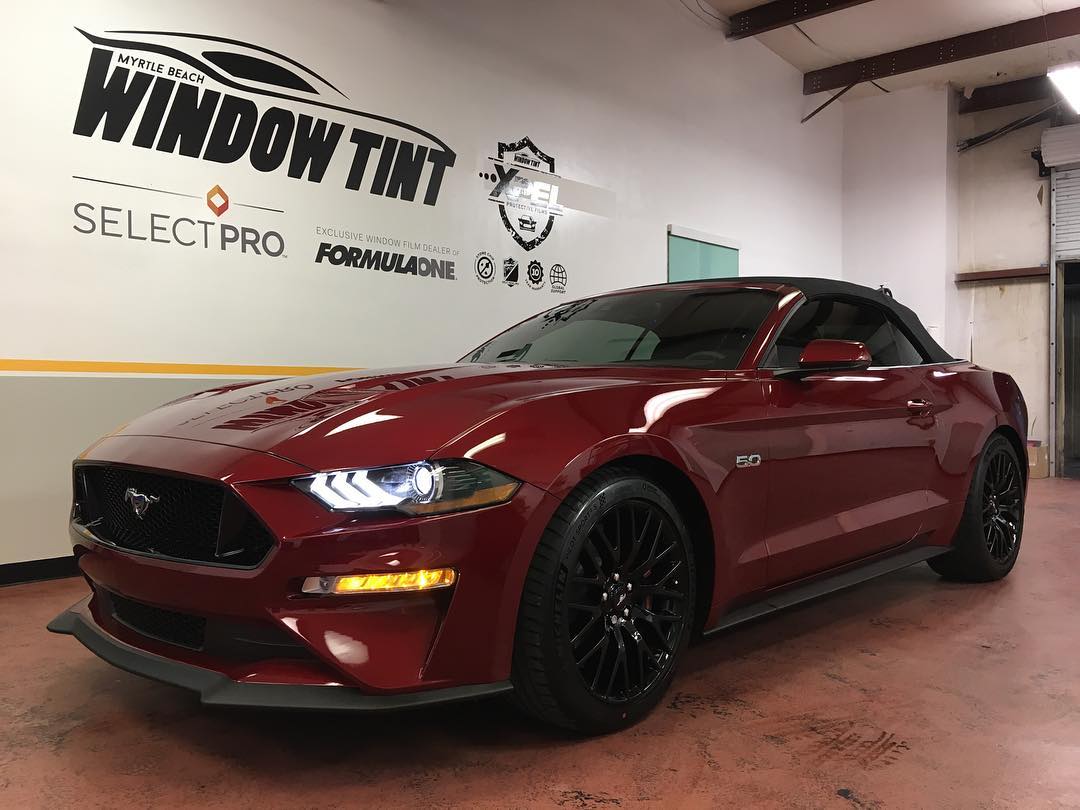
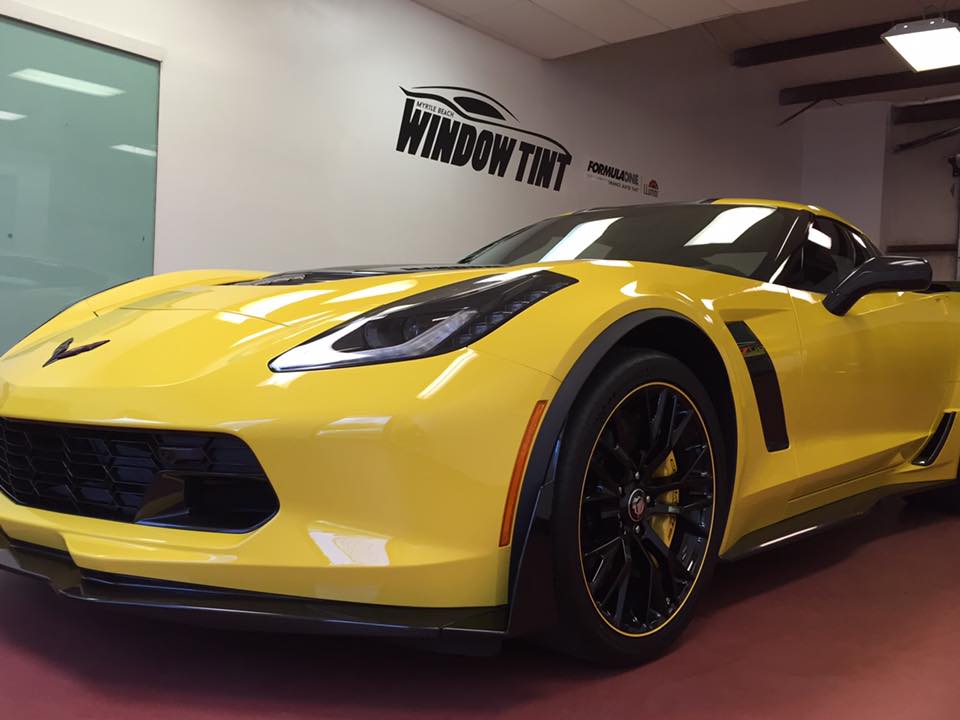
Remember, Myrtle Beach Window Tint provides the region’s best car protection film installations and expert advice on car ceramic coating benefits
and tailored climate solutions.
Frequently Asked Questions (FAQ)
Which lasts longer: ceramic coating or PPF?
PPF generally outlasts ceramic coating, lasting up to 10 years or more.
Can I apply both ceramic coating and PPF together?
Yes! Many owners install PPF first, then add a ceramic coating over the film for enhanced cleaning ease and extra gloss.
Is PPF more expensive than ceramic coating?
Yes. PPF costs more upfront but offers unbeatable impact protection and longevity.
Will ceramic coating protect my car from rock chips?
No—while ceramic coatings block chemicals and UV, they don’t defend against physical impacts the way PPF does.
Does ceramic coating replace waxing?
Yes. Once applied, ceramic coatings eliminate the need for routine waxing while offering superior shine and protection.
How do I clean my car afterward?
Use gentle washes and avoid abrasive chemicals or brushes. Both solutions simplify cleaning compared to bare paint.
Will paint protection film turn yellow?
Premium PPFs are highly resistant to yellowing, but bargain films or poor maintenance may show discoloration over time in harsh, sunny climates like Myrtle Beach.
What’s the best protection for a new car in Myrtle Beach?
Ideally, use PPF in damage-prone areas combined with ceramic coating on the rest of the car for the broadest protection.
Is professional installation important?
Absolutely. Both options require expert prep and application to maximize performance, aesthetics, and warranty.
Does either option increase my car’s resale value?
Yes. Well-maintained PPF or ceramic coating can help preserve your vehicle’s finish and enhance resale or trade-in value.
Conclusion: How to Choose the Best Protection
Both ceramic coating and paint protection film (PPF) offer Myrtle Beach car owners powerful tools for preserving vehicle beauty, value, and performance in a challenging coastal climate. The right choice depends on your usage, expectations, and budget. PPF delivers maximum physical protection for daily drivers, while ceramic coatings add dazzling gloss and simplify maintenance. For the ultimate solution, consider combining both—PPF on exposed, impact-prone sections with a professional ceramic coating over all paint for full, all-encompassing defense.
Ready to protect your vehicle? Contact Myrtle Beach Window Tint in Myrtle Beach, SC at (843) 267-5222 for expert installation, customized recommendations, and premium protection packages. Visit us or reach out today for your free estimate and personalized consultation. Drive with confidence—your car’s finish deserves nothing less!