
How Much Heat Can Ceramic Tint Block in Summer Traffic? A Guide for Myrtle Beach Drivers
If you've ever sat in a line of cars on Highway 17 or Highway 501 on a July afternoon, you know the feeling. The AC is blasting and the sun is still baking your arm through the side window. Grand Strand summers combine intense sun, heavy humidity, and tourist-season traffic, and that makes your car one of the hottest places you'll spend time.
The short answer is that a quality ceramic window tint typically blocks:
- Roughly 40% to 60% or more of total solar energy, depending on the shade
- Up to about 90% or more of infrared heat
- More than 99% of harmful UV rays
In real-world summer traffic, that means a noticeably cooler cabin, less heat on your skin and steering wheel, and an AC system that cools the car faster and doesn't have to work as hard.
Exactly how much heat your tint blocks depends on the film quality, the shade you choose, and South Carolina's legal limits. This guide is for drivers in Myrtle Beach, North Myrtle Beach, Conway, Surfside Beach, Murrells Inlet, and across Horry County. It explains what ceramic tint really does, how to read heat rejection numbers, and how to get the most cooling from a legal tint.
Quick Answer: How Much Heat Does Ceramic Tint Block?
- Total solar energy rejected (TSER): Typically about 40% to 60% or more with quality ceramic film. Darker shades are usually at the higher end.
- Infrared (IR) heat rejection: Often 80% to 90% or more on premium ceramic films.
- UV protection: More than 99%.
- Glare reduction: Significant, and it increases with darker shades.
Ceramic tint won't make your car feel like a refrigerator on a 95-degree day. But in summer traffic, the difference between ceramic tint and bare glass is something you can feel within minutes.
Why Summer Traffic Makes Your Car So Hot
Summer traffic is one of the hardest conditions your car's cooling system faces. Several factors work against you at once.
The Greenhouse Effect Inside Your Car
Sunlight passes through your windows and heats the dashboard, seats, and steering wheel. Those surfaces release heat that gets trapped inside the cabin. On a hot day, a parked car's interior can climb far above the outside temperature within minutes.
Long Exposure to Side-Window Sun
On the highway, you move through changing sun angles. In stop-and-go traffic, the sun beats through the same side window for long stretches. Your arm, face, and legs take the heat directly. That is why drivers often feel hottest on the side facing the sun.
Your AC Works Harder at Low Speeds
At highway speeds, airflow helps your car's AC condenser release heat. In slow traffic, there's much less airflow, so the system has to work harder to keep the cabin cool. The more solar heat coming through your glass, the more your AC struggles.
Grand Strand Humidity and Sun
Coastal South Carolina summers pair strong sun with high humidity. Your AC has to remove both heat and moisture, which adds to the load when solar heat keeps pouring in.
UV Damage Adds Up
Heat isn't the only concern. UV rays pass through untreated side and rear glass, contributing to skin damage and fading or cracking your car's interior over time.
How Heat Rejection Is Measured: The Numbers That Matter
Tint shops and manufacturers use several different performance numbers, and some sound more impressive than others. Here's what each one means:
| Spec | What It Measures | Why It Matters |
|---|---|---|
| TSER (Total Solar Energy Rejected) | Percentage of all solar energy blocked: UV, visible light, and infrared | The best single measure of how much cooler your car will feel |
| IRR (Infrared Rejection) | Percentage of infrared heat blocked | Useful, but it covers only part of the solar spectrum |
| VLT (Visible Light Transmission) | How much visible light passes through; lower means darker | Determines legality and how dark the tint looks |
| UV Rejection | Percentage of UV rays blocked | Protects your skin and interior |
| Glare Reduction | How much glare is reduced | Improves comfort and visibility |
A common point of confusion is IR rejection. Some films advertise very high infrared rejection percentages, sometimes measured over only a narrow slice of the infrared spectrum. A film can have a high IR rejection number and still a moderate TSER.
When comparing films, ask for the TSER. It gives the most complete picture of how much heat actually stays out of your car.
Ceramic Tint vs Other Window Tint Types
Not all window tint handles heat the same way. Here's how ceramic compares to other common film types:
| Tint Type | Heat Rejection | UV Protection | Signal Interference | Fade Resistance | Relative Cost |
|---|---|---|---|---|---|
| Dyed film | Low | Good | None | Can fade or turn purple | Lowest |
| Metallized film | Moderate to high | Excellent | Can interfere with GPS, phone, and radio | Good | Moderate |
| Carbon film | Moderate | Excellent | None | Very good | Moderate |
| Ceramic film | High | Excellent (99%+) | None | Excellent | Higher |
| Premium IR ceramic film | Highest | Excellent (99%+) | None | Excellent | Highest |
Ceramic tint uses nano-ceramic particles that block infrared heat without using metal. That gives you three advantages:
- Strong heat rejection, even in lighter shades
- No interference with your phone, GPS, or radio
- Excellent resistance to fading
Dyed tint mostly absorbs heat and darkens the glass. Ceramic actively blocks the infrared energy you feel as heat.
Does Darker Ceramic Tint Block More Heat?
Generally yes, but darkness isn't everything. Darker shades block more visible light, which adds to total heat rejection. However, a high-quality ceramic film in a lighter shade can outperform a cheap dyed film that's much darker.
Here's how shade choices typically play out, and how they fit
South Carolina law:
| Ceramic Shade (VLT) | Heat Rejection Level | Look | Legal on Front Side Windows in SC? |
|---|---|---|---|
| 70% | Moderate | Nearly clear | Yes |
| 50% | Moderate to high | Light tint | Yes |
| 35% | High | Medium tint | Yes |
| 30% | High | Medium-dark | Yes (above the 27% minimum) |
| 20% or darker | Highest | Dark | No on front sides; allowed on some SUV and van rear windows |
South Carolina's rules, as summarized on Myrtle Beach Window Tint's site, work like this:
- All vehicles: Front side windows must let in more than 27% of light.
- Sedans: Back side windows and the rear window must also let in more than 27% of light.
- SUVs and vans: Rear windows can generally be darker.
- Windshields: Non-reflective tint is allowed only above the manufacturer's AS-1 line.
- Reflectivity: Side window tint must be non-reflective.
- Colors: Red, amber, and yellow tints aren't allowed.
Tint laws can change, so always confirm current regulations with your installer or the SC DMV.
The good news is that ceramic tint gives you strong heat rejection while staying legal. You don't need illegal darkness to get a meaningfully cooler car.
What Ceramic Tint Feels Like in Real Summer Traffic
Lab numbers are one thing, but drivers care about how the car feels. With quality ceramic tint, most people notice:
- Less burning heat on your arms and face through the side windows during long waits in traffic
- A cabin that cools down faster after getting in
- An AC that holds temperature more easily at low speeds
- Cooler seats, dashboard, and steering wheel
- Less glare from the sun, bright pavement, and reflective cars around you
- Better protection for kids and pets riding in the back seats
Ceramic tint reduces solar heat gain. It doesn't cool the car on its own. A car parked in direct Myrtle Beach sun will still get hot. It will just heat up less and cool down faster once the AC is running.
How to Get the Most Heat Protection From Ceramic Tint: 5 Steps
1. Choose a True Ceramic Film
Some budget films are marketed as ceramic but contain only small amounts of ceramic technology. Ask for the film's TSER and UV rejection specs, and choose a reputable brand installed by a professional shop.
2. Pick the Darkest Legal Shade You're Comfortable With
Balance heat rejection, nighttime visibility, and South Carolina law. Many drivers choose a medium shade on the front side windows and a darker legal shade on the rear.
3. Tint Every Eligible Window
Heat enters through all your glass. Tinting only the rear windows leaves the driver and front passenger fully exposed. Adding a legal non-reflective strip above the windshield's AS-1 line helps with overhead sun.
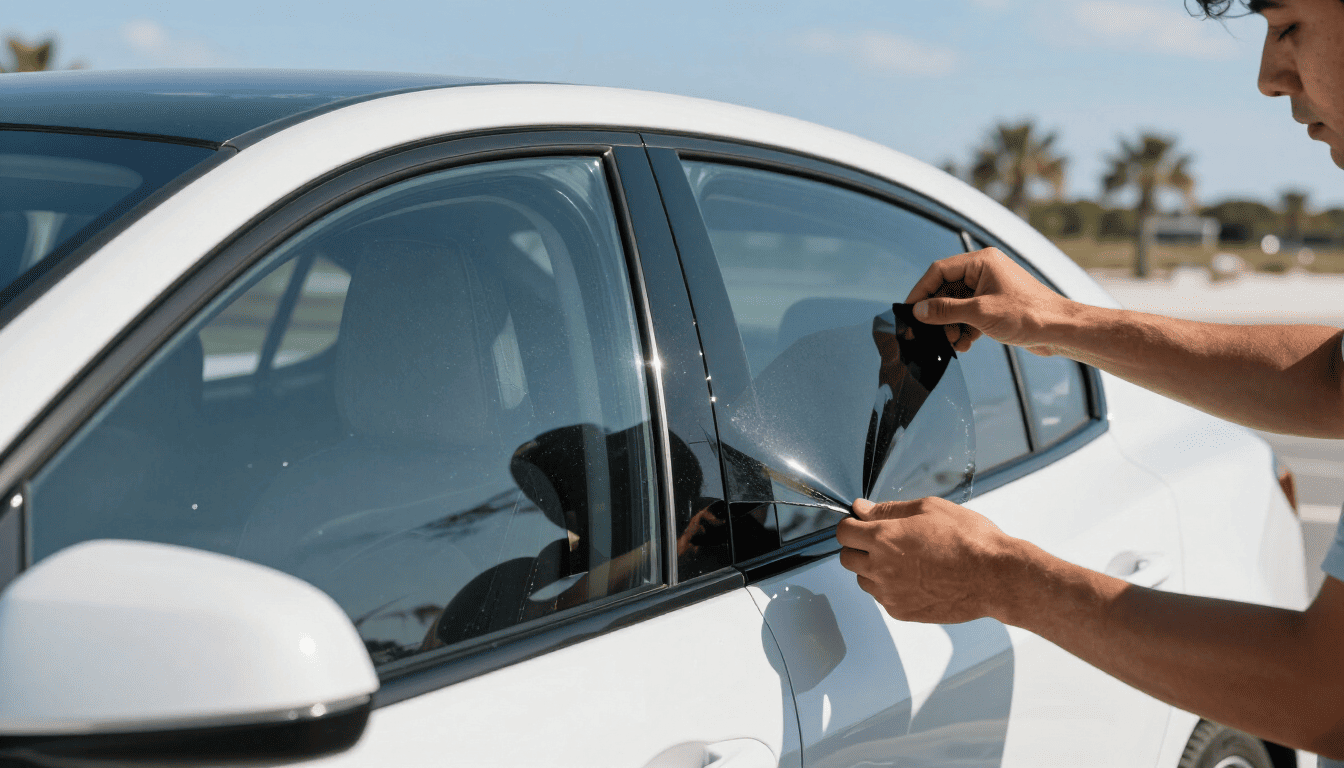
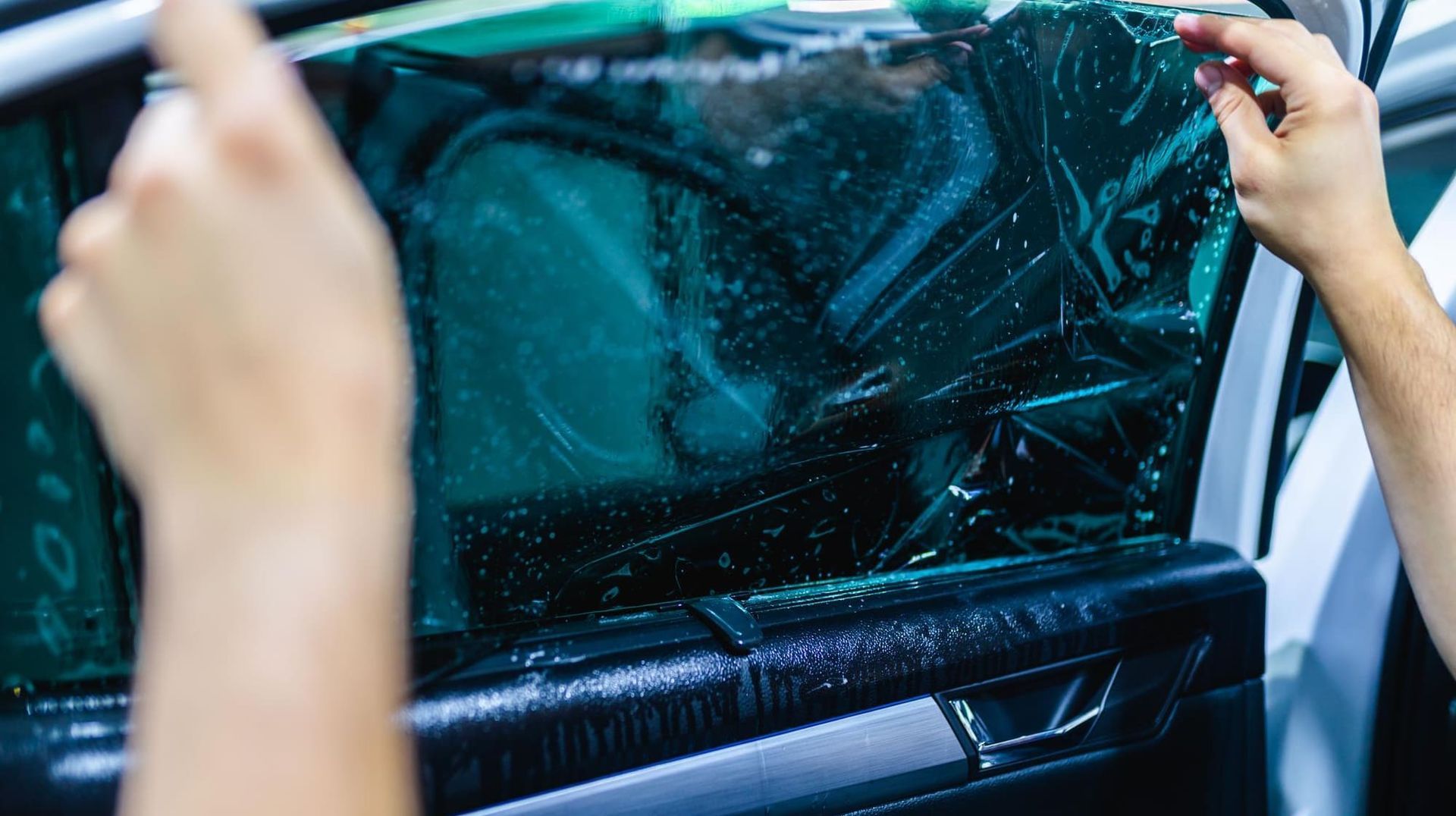
4. Rely on Professional Installation
Clean edges, no contamination, and proper heat-shrinking on curved rear glass all affect performance and appearance. A professional install also protects your warranty.
5. Let It Cure and Care for It Properly
Follow your installer's curing instructions before rolling down windows. After that, clean the film with ammonia-free cleaner and a soft microfiber cloth.
Is Ceramic Tint Worth It for Myrtle Beach Drivers?
For most Grand Strand drivers, yes. You spend months each year in hot, humid weather and heavy seasonal traffic. Ceramic tint delivers benefits you notice every day:
- A cooler, more comfortable cabin in summer traffic
- More than 99% UV protection for your skin. The Skin Cancer Foundation recommends window film as part of a comprehensive sun-protection program.
- Protection for your interior from fading and cracking
- Reduced glare for safer, more comfortable driving
- Added privacy for you, your passengers, and your belongings
- No signal interference with phones, GPS, or radio
Ceramic tint costs more upfront than dyed or carbon film. But its heat performance and resistance to fading make it the best long-term value for most drivers in our climate.
Why Grand Strand Drivers Choose Myrtle Beach Window Tint
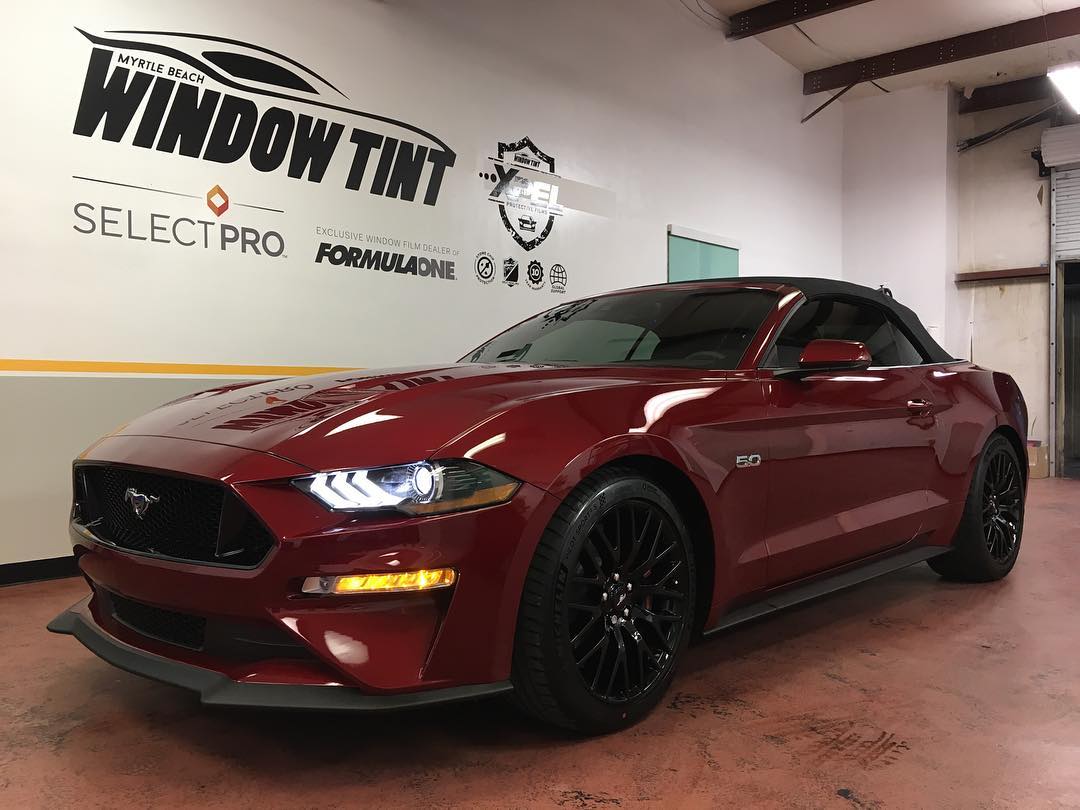
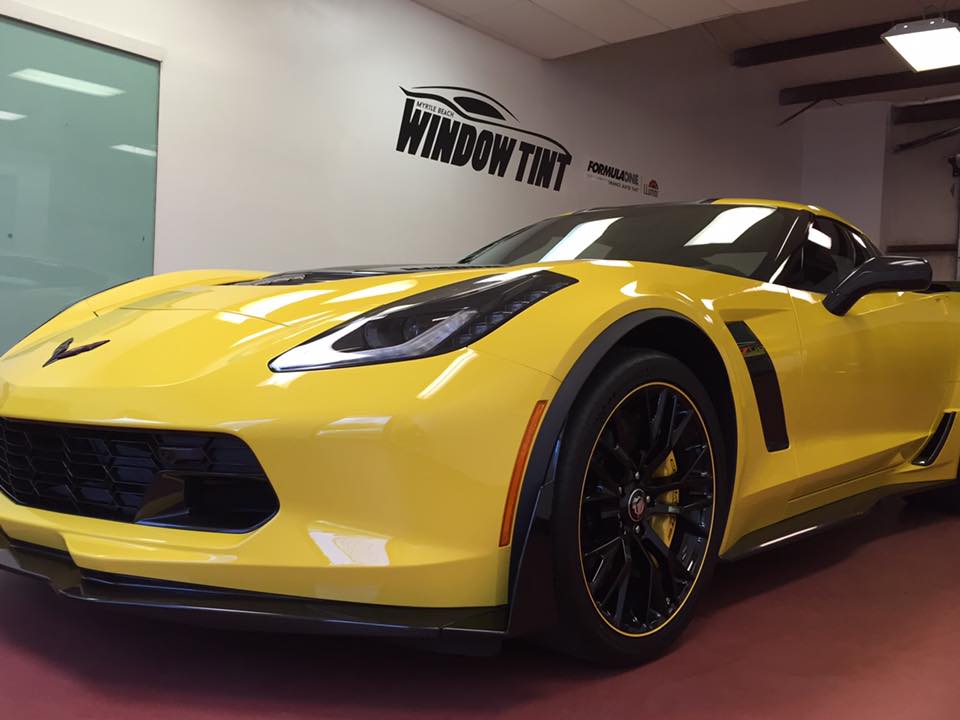
Myrtle Beach Window Tint has completed more than 23,000 auto tint installations, along with thousands of residential and commercial projects. The team offers a range of shades from nearly clear to limo dark, including ceramic tint built for maximum heat and UV rejection.
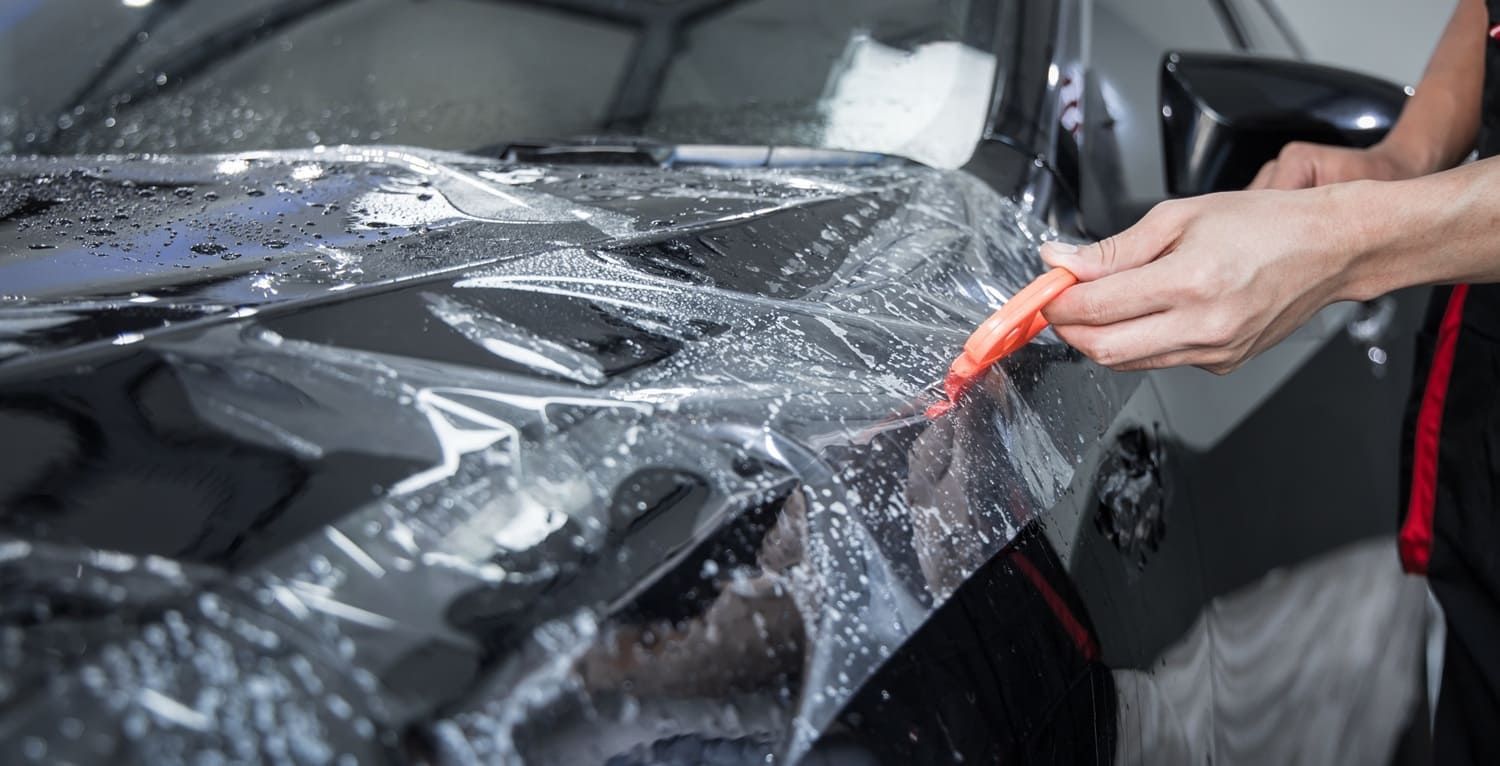
Its premium auto films are backed by a guarantee against color change, bubbling, and cracking for as long as you own your vehicle when installed by its trained technicians (terms apply). The shop also offers paint protection film and ceramic coating, so you can protect your vehicle inside and out.
Myrtle Beach Window Tint is located at 604 Seaboard Street, Suite 5, in
Myrtle Beach. It serves drivers throughout Myrtle Beach, North Myrtle Beach, Conway, Socastee, Surfside Beach, Garden City, Murrells Inlet, Little River, Loris, Aynor, Forestbrook, Red Hill, Georgetown, and the rest of Horry County.
Frequently Asked Questions About Ceramic Tint and Heat
What percentage of heat does ceramic tint block?
Quality ceramic tint typically blocks about 40% to 60% or more of total solar energy, depending on shade. It also blocks up to about 90% or more of infrared heat and more than 99% of UV rays.
Is ceramic tint better than carbon tint for heat?
Yes. Ceramic tint generally rejects more heat than carbon tint, especially infrared heat, and it does so without any signal interference.
Does lighter ceramic tint still block heat?
Yes. Because ceramic film targets infrared heat, even lighter shades can reject significant heat while keeping your windows bright and clear.
What is the darkest legal tint in South Carolina?
Front side windows must let in more than 27% of light on all vehicles. Sedans follow the same limit on rear windows, while SUVs and vans can generally go darker in the back. Confirm current law with your installer or the SC DMV.
Will ceramic tint help my AC in traffic?
Yes. By reducing solar heat entering the cabin, ceramic tint lowers the load on your AC. That helps it cool the car faster and hold a comfortable temperature at low speeds.
Does ceramic tint interfere with my phone or GPS?
No. Ceramic tint is metal-free, so it won't interfere with cell phone, GPS, radio, or key fob signals.
How long does ceramic window tint last?
Professionally installed ceramic tint is designed to last for many years without fading. Myrtle Beach Window Tint guarantees its premium auto films against color change, bubbling, and cracking for as long as you own your vehicle (terms apply).
Beat the Grand Strand Heat With Ceramic Tint
So how much heat can ceramic tint block in summer traffic? Quality ceramic film typically rejects about 40% to 60% or more of total solar energy and the majority of infrared heat, while blocking more than 99% of UV rays. For Myrtle Beach drivers, that means a cooler cabin, a less strained AC, and better protection for you and your vehicle every time traffic slows to a crawl.
If you drive anywhere along the Grand Strand,
Myrtle Beach Window Tint can help you choose a legal ceramic shade that maximizes heat rejection for your vehicle.
Call (843) 267-5222, visit the shop at 604 Seaboard Street, Suite 5, Monday through Saturday from 9am to 6pm, or request your
free estimate online today.