

Legal Limits for Window Tint in South Carolina (2026 Update)
Introduction: Why 2026 Tint Laws Matter for South Carolina Drivers
For drivers across Myrtle Beach and throughout South Carolina, understanding
window tint laws is vital for staying safe, avoiding fines, and ensuring your vehicle passes inspection in 2026. As weather grows hotter each year, more drivers seek out
window tint for sun protection,
privacy, and
comfort. But legal limits are constantly evolving, and recent updates to
South Carolina window tint laws mean the rules for what’s compliant—and what could get you cited or forced to re-tint—are changing again. Learning the current 2026 standards for VLT, windshield, and film type ensures you choose tint that fits your needs and stays on the right side of the law. In this complete guide, Myrtle Beach Window Tint explains the latest requirements, compliance tips, and the best solutions for local drivers who want top-performing, legal window tint in Myrtle Beach SC and beyond.
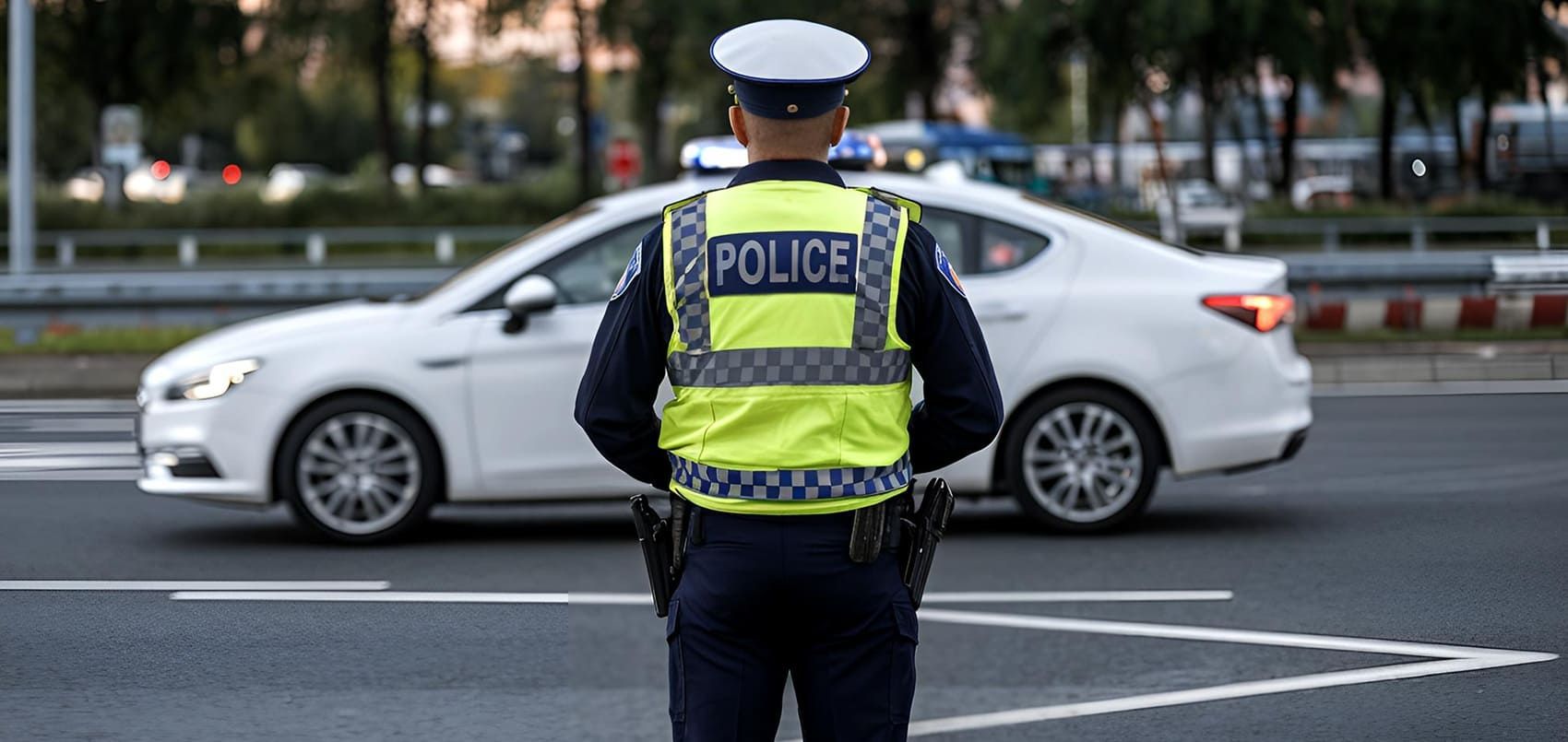
Table of Contents
- 2026 South Carolina Window Tint Laws: Overview & What’s New
- Legal VLT Standards by Vehicle Type
- Windshield Tint Strip & Placement Rules
- Reflectivity, Color, and Prohibited Tint Films
- How Law Enforcement Measures Window Tint in South Carolina
- Penalties, Fines, and Staying Compliant
- Choosing Legal, High-Performance Window Tint
- FAQ: South Carolina Window Tint Laws 2026
- Conclusion & Get Help from Myrtle Beach Window Tint
2026 South Carolina Window Tint Laws: Overview & What’s New
South Carolina’s window tint laws have continued to evolve through 2026 in response to technology advances, safety concerns, and changing driver preferences. Whether you drive a sedan, SUV, pickup, or van, you’ll need to understand what’s changed and what’s stayed the same. Key updates now cover:
- Revised Visible Light Transmission (VLT) standards by vehicle class
- New rules for how tint is measured and enforced
- Clarified windshield strip placement and allowable percentages
- Updated list of prohibited colors and unacceptable film types
- Adjustments to penalties and compliance checks
Compared to previous years, South Carolina’s 2026 regulations now better address visibility during night driving and emergency situations. The new standards are designed to balance comfort, safety, and the benefits of modern window tint technology.
| Year | Front Side Windows VLT | Rear Windows VLT | Reflectivity |
|---|---|---|---|
| 2025 | 27% | 27% | Net 20% |
| 2026 | 28% | 28% | Net 20% (unchanged) |
Legal VLT Standards by Vehicle Type
Visible Light Transmission (VLT) is a key measurement in window tint law. It refers to how much visible light passes through tinted glass. South Carolina window tint laws for 2026 set maximum and minimum VLT percentages for each type of vehicle:
| Vehicle Type | Front Sides | Rear Sides | Rear Window |
|---|---|---|---|
| Sedans | At least 28% VLT | At least 28% VLT | At least 28% VLT |
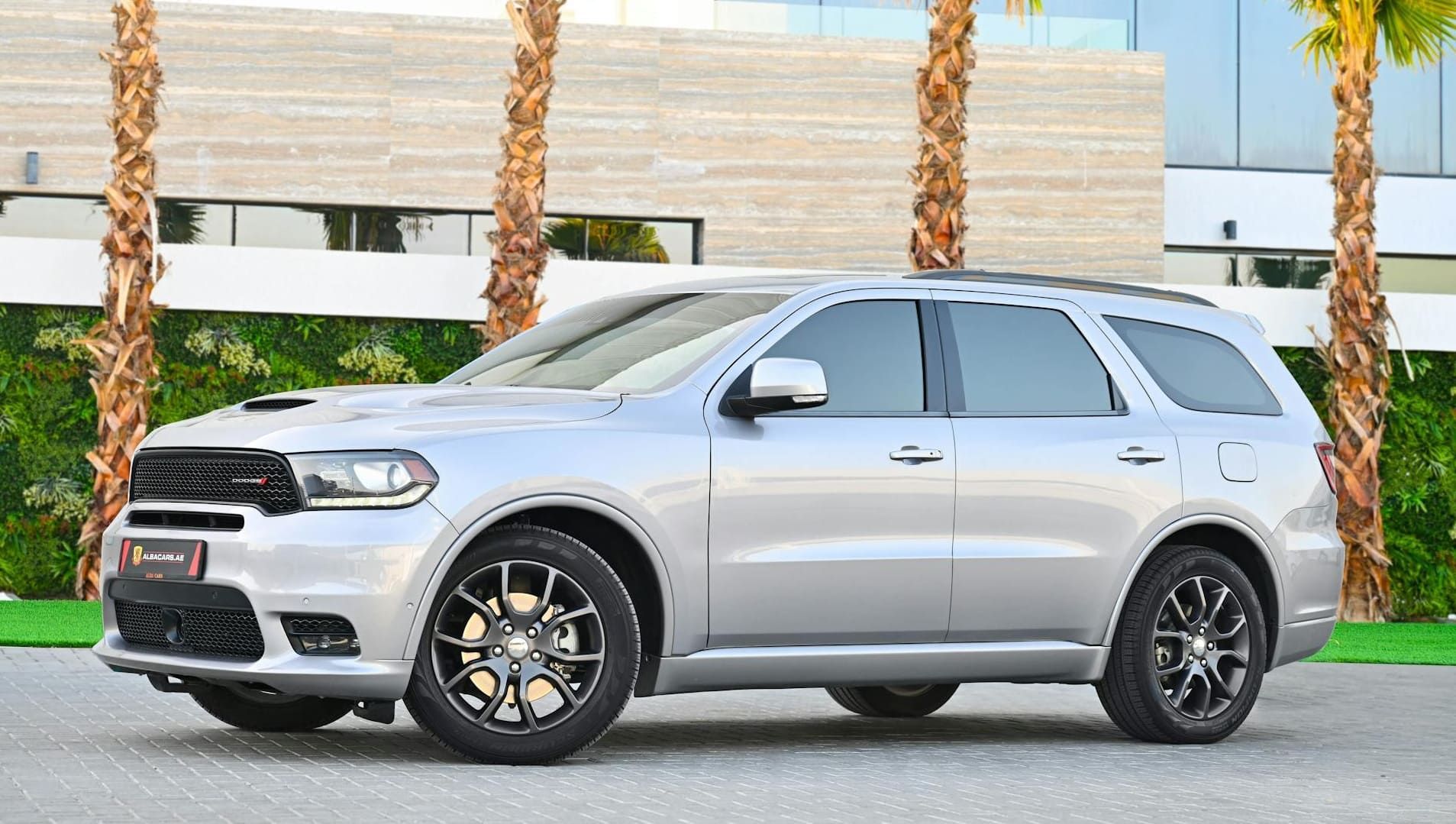
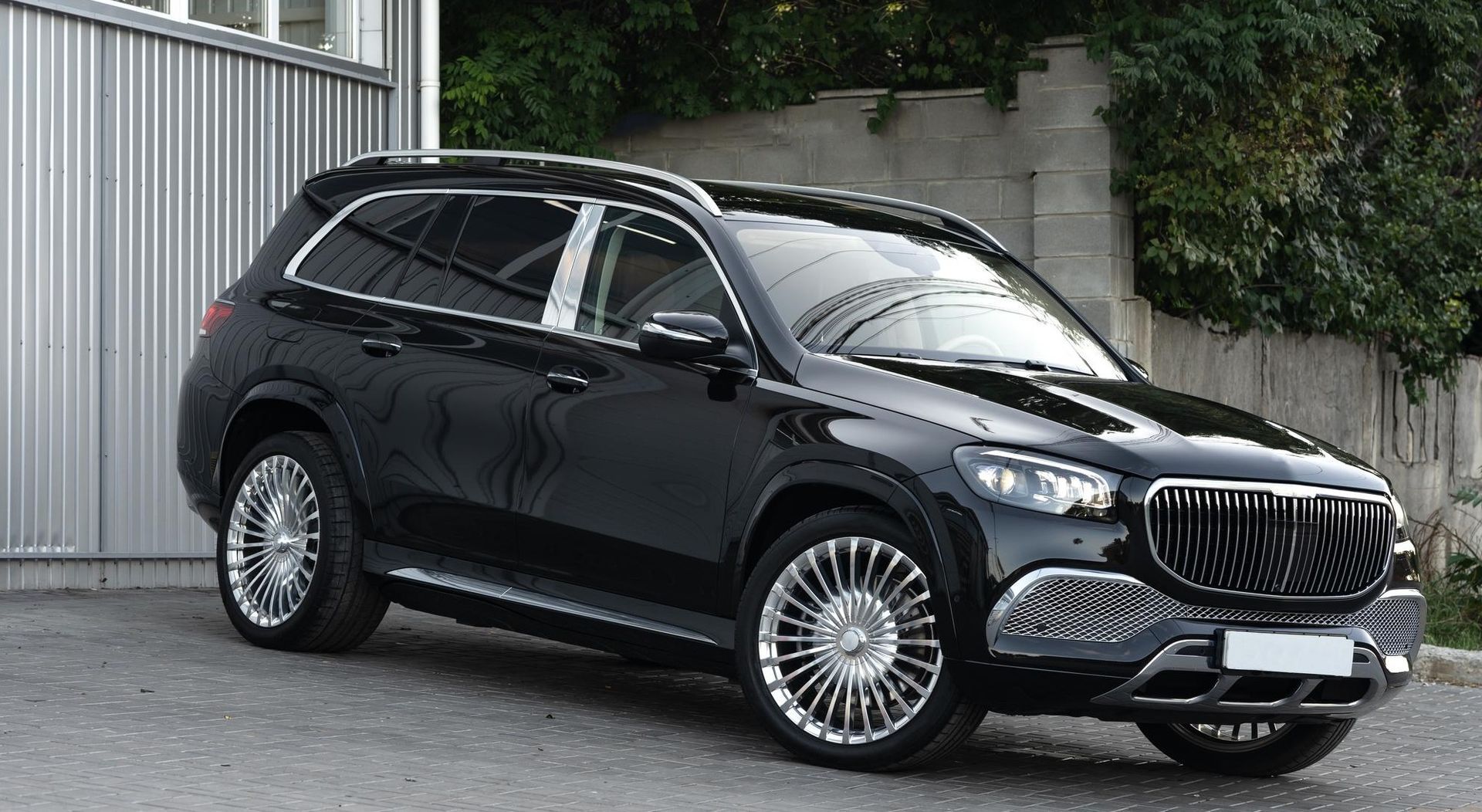
| SUVs / Vans | At least 28% VLT | No limit (any darkness) | No limit (any darkness) |
| Trucks | At least 28% VLT | No limit (any darkness) | No limit (any darkness) |
These percentages apply to the combined effect of factory tint and aftermarket film. For example, if your truck’s rear window already has factory privacy glass, legal aftermarket tint can only be added if the total VLT is still within limits. Always measure total VLT to avoid unintentional violations.
Windshield Tint Strip & Placement Rules
Windshield tint rules are among the most tightly enforced in South Carolina. For 2026:
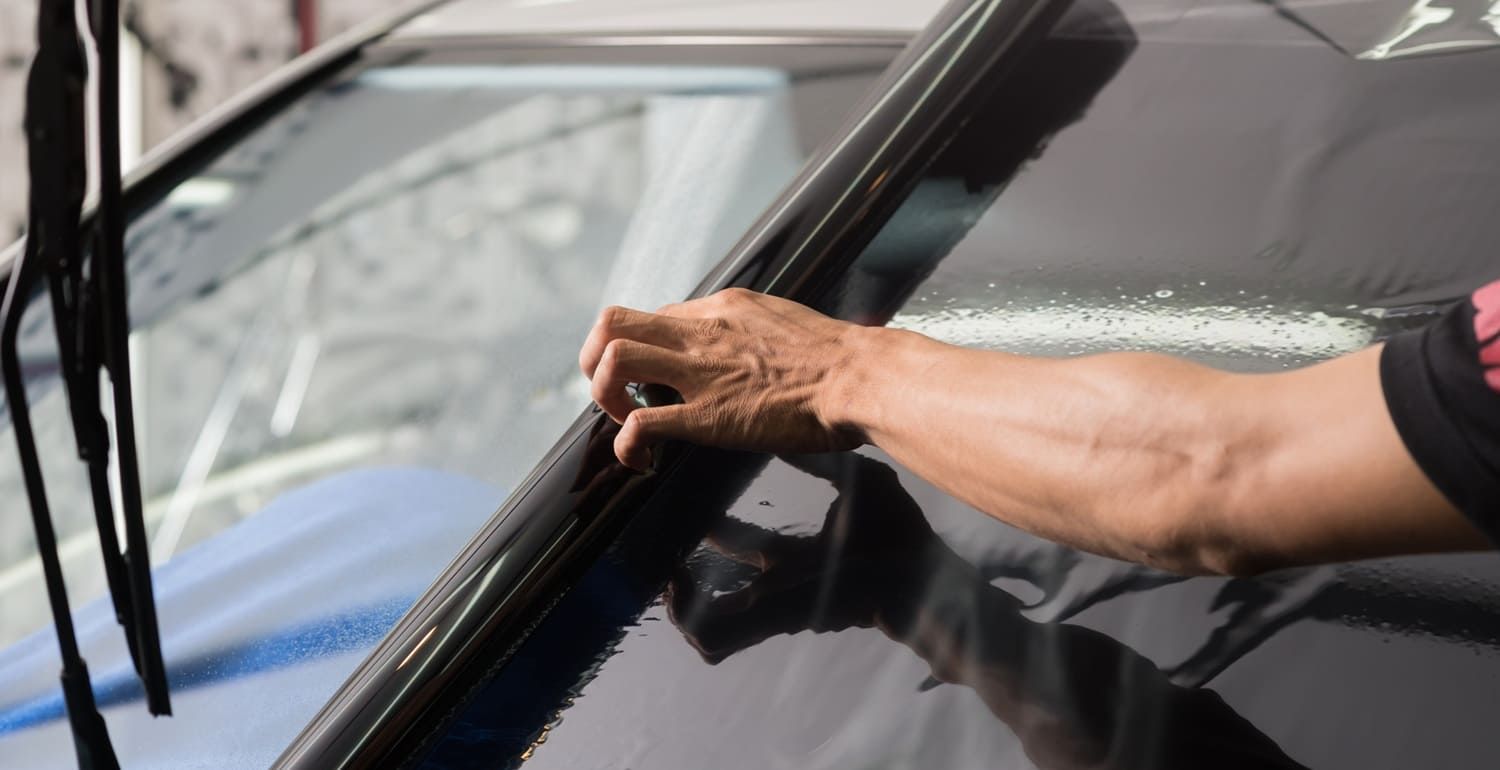
- Only non-reflective tint is allowed above the AS-1 line or the top 6 inches of the windshield (whichever is longer).
- No other part of the windshield may be tinted.
- The strip must not impede driver visibility and must not be mirrored or metallic in appearance.
- Factory-installed shade bands are explicitly allowed if they meet manufacturer and state guidelines.
Reflectivity, Color, and Prohibited Tint Films
Reflectivity and color restrictions are designed to limit glare, keep vehicles street legal, and protect first responder visibility:
- Tint must not be more reflective than standard untinted glass.
- Mirrored or highly reflective films are prohibited on all vehicles.
- Illegal tint colors: red, amber, blue, and any film designed to change a vehicle’s color or appearance beyond a natural glass look.
- Chrome, iridescent, and mirrored tints are not compliant, even as windshield accents.
| Allowed | Not Allowed |
|---|---|
| Non-metallic | Mirrored/Metallic |
| Neutral gray/charcoal | Red/Amber/Blue |
| Ceramic/Carbon | Chrome/Iridescent |
How Law Enforcement Measures Window Tint in South Carolina
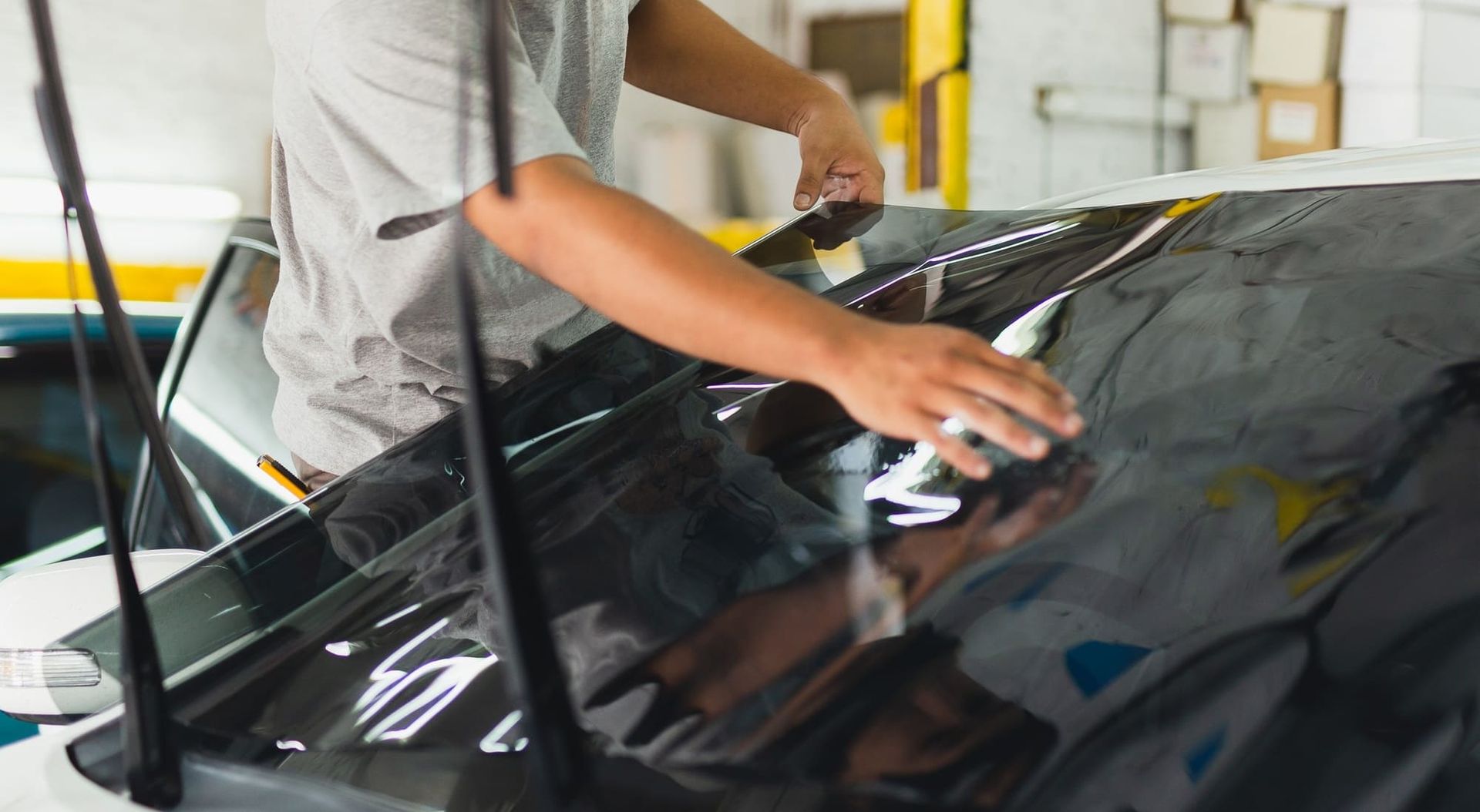
Police officers use special tint meters to measure VLT during traffic stops and safety checks:
- Meters are placed on the glass to measure the percentage of visible light passing through both glass and film.
- Testing may be done during regular patrol stops, inspections, or after accident investigations.
- The measurement looks at total VLT—including factory tint and applied film combined.
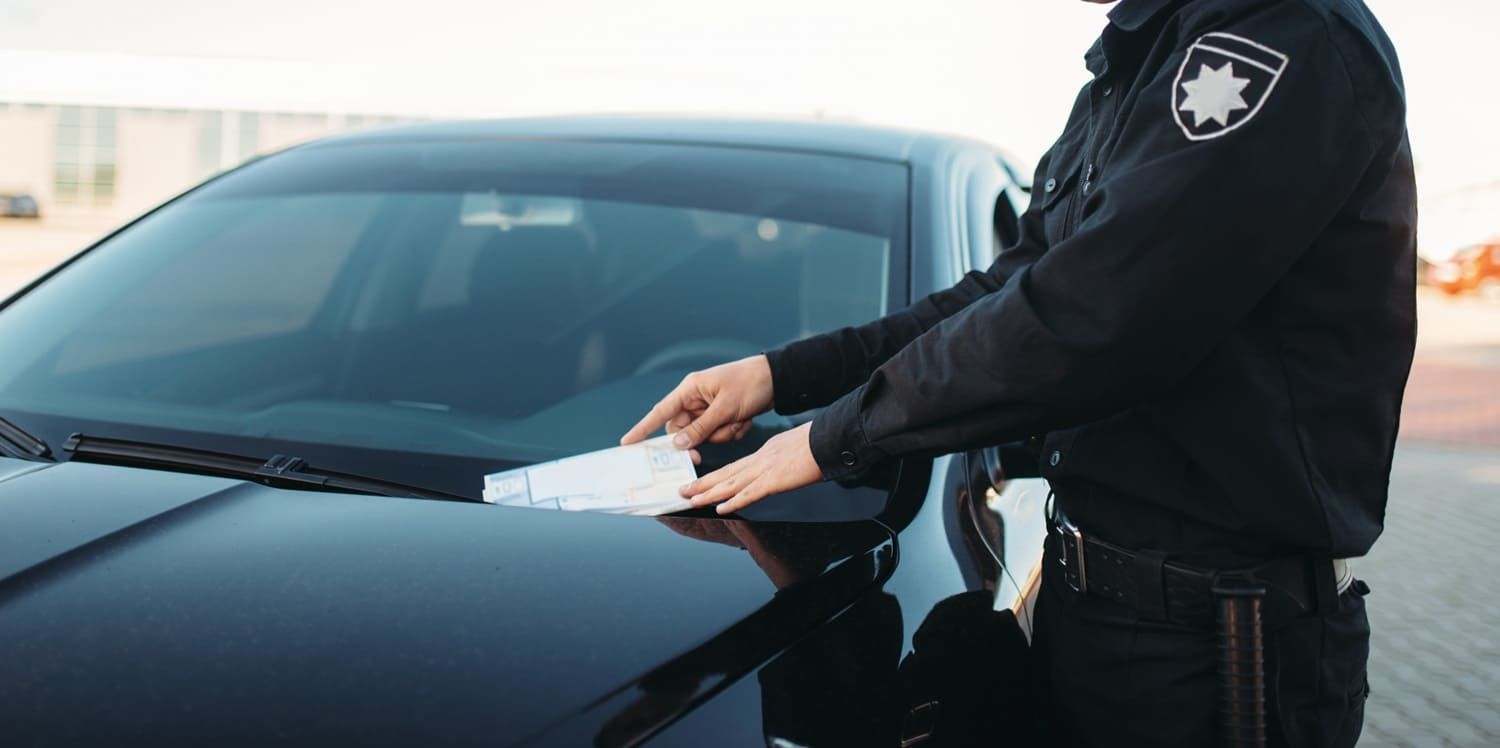
If a tint is found to be too dark, a citation may be issued and you may be required to remove or replace the illegal tint before passing a subsequent inspection.
Penalties, Fines, and Staying Compliant
Violating South Carolina window tint laws in 2026 can result in:
- Citations, fines up to $200, and court costs
- Mandatory removal or replacement of noncompliant tint
- Failure to pass vehicle inspection until the violation is corrected
- In some cases, recurring violations may be recorded on your driving record
It is the vehicle owner’s responsibility to make sure all installed window film remains within legal limits—both at the time of installation and during regular use as film ages and darkens. Drivers should keep documentation from their tint installer for easy verification during stops.
Choosing Legal, High-Performance Window Tint
It’s possible to comply with South Carolina’s 2026 window tint laws while still getting outstanding
heat rejection, UV protection, and glare control. Window film technologies such as ceramic, nano-ceramic, and high-end carbon films allow high performance without sacrificing legality. Tips for choosing the best compliant tint:
- Always request films with a certified VLT rating and performance data
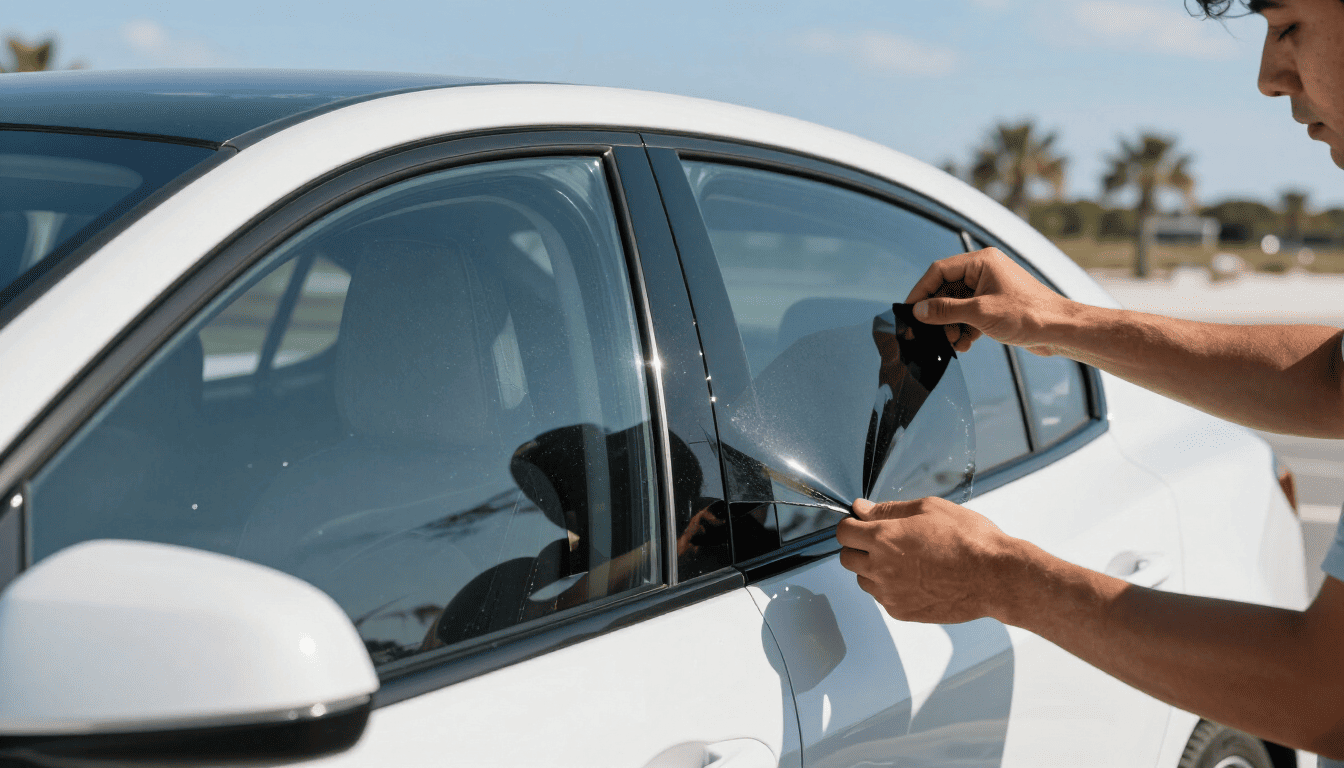
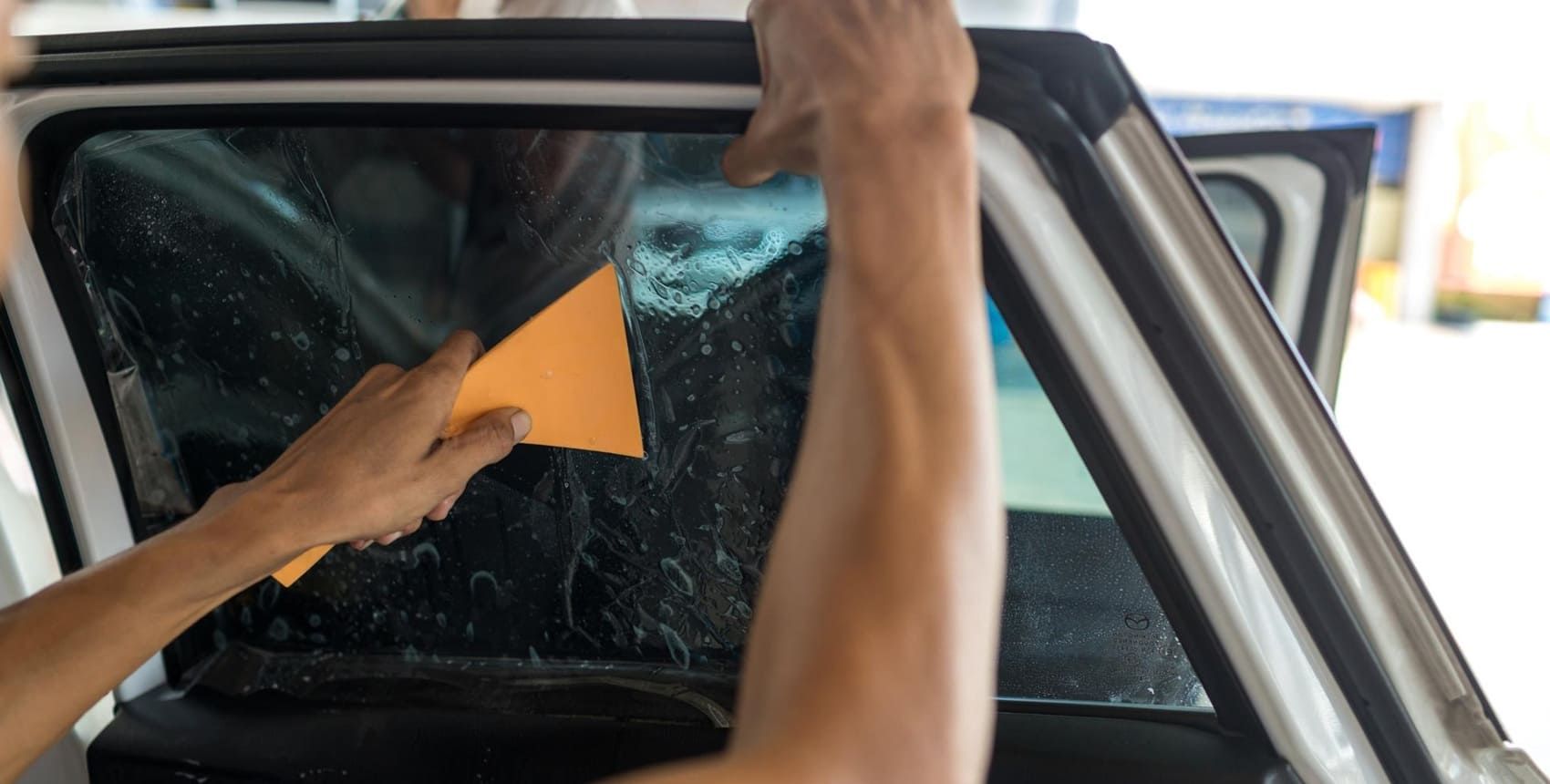
- Opt for professional installation from a reputable Myrtle Beach provider
- Consider neutral gray or charcoal tints to keep a natural, legal appearance
- Avoid metallic, mirrored, or color-altering films
- Request written documentation of VLT and product type for your records
FAQ: South Carolina Window Tint Laws 2026
How do police measure window tint in South Carolina?
Police use digital tint meters to check VLT during stops and inspections. The device clamps onto the glass to read total light transmission, including factory tint and film.
Does factory tint count toward legal VLT limits?
Yes, all tint (factory and aftermarket) is measured together, so you must ensure the total VLT remains legal.
Can I get a medical exemption for darker tint in SC?
Yes, but you must apply, provide documentation, and keep the exemption certificate in your vehicle. Approved medical exemptions allow lower VLT for qualifying conditions.
Are the laws different for passenger vehicles versus trucks and SUVs?
Yes—trucks, vans, and SUVs may have any darkness on rear windows, but not front side windows; sedans have stricter standards for all side and rear glass.
Will window tint affect night driving visibility?
Legal tints should balance heat rejection and clear night vision. Overly dark tints can impair visibility and result in legal violations.
What happens if my tint fails inspection?
You must remove or replace the noncompliant film before passing a subsequent inspection and renewing your registration.
How can I check my car’s tint VLT?
Most window tint professionals have VLT meters and can check your compliance before installation and after.
Is there a penalty for selling a vehicle with illegal tint?
Yes, responsibility may transfer to the new owner but sellers are recommended to disclose tint status before the sale.
Can I use colored window tints in South Carolina?
Only neutral gray or charcoal tints are allowed. Colored tints such as blue, red, or amber are prohibited.
How do I stay compliant as laws change?
Regularly review state guidelines, work with certified installers, and have your tint checked annually to ensure ongoing compliance.
Conclusion & Get Help from Myrtle Beach Window Tint
Staying within the new 2026 South Carolina window tint laws ensures you avoid fines, failed inspections, and inconvenient re-tinting. With updated standards around VLT, tint type, and enforcement,
Myrtle Beach Window Tint can help you enjoy year-round comfort, superior protection, and hassle-free compliance.
Contact Myrtle Beach Window Tint in
Myrtle Beach, SC for expert advice, professional legal installation, and a
free estimate on window tint solutions that keep you safe, cool, and on the right side of the law—while maximizing comfort and style for every drive in 2026.