
How Long Does Window Tint Last Near Myrtle Beach Salt Air?
If you live or work near Myrtle Beach, you already know the coast can be hard on almost everything it touches. Salt air, high humidity, and intense UV exposure create a combination that puts extra stress on window tint and window film in ways that inland areas simply do not experience at the same level. The good news is that not all window film is equal, and the right product, installed correctly, can hold up well for many years even in a coastal environment.
How long window tint actually lasts near the coast depends heavily on film quality, installation technique, how much direct sun and salt exposure the surface receives, and how well the tint is maintained over time. A lower-quality dyed film installed on a vehicle parked outside year-round near the ocean will fail noticeably faster than a premium ceramic film installed by a professional. Understanding those differences can save you money and frustration in the long run.
Myrtle Beach Window Tint has completed over 23,000 auto tints, 4,000 residential tints, and nearly 2,000 commercial tints, and the team works specifically with coastal clients who need products built to handle the Myrtle Beach environment. This guide breaks down what you need to know about tint lifespan near the coast and how to get the most out of your investment.
Table of Contents
- Why Salt Air and Coastal Humidity Are Tough on Window Tint
- Signs That Window Tint Is Breaking Down
- How Film Quality Affects Lifespan Near the Ocean
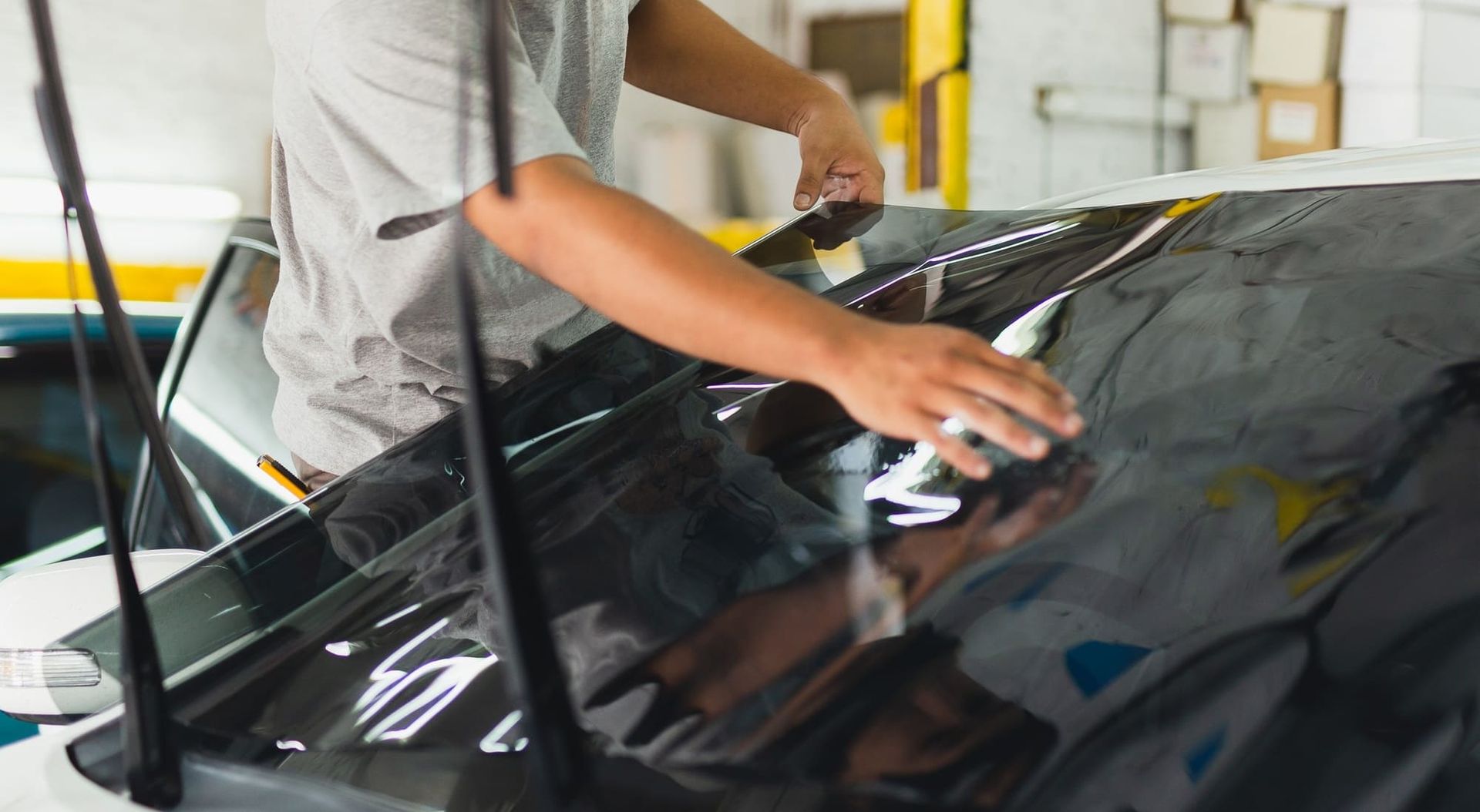
- How Professional Installation Affects How Long Tint Lasts
- Auto vs. Residential vs. Commercial Tint Lifespan Near the Coast
- Film Quality and Lifespan Comparison
- How to Help Your Window Tint Last Longer in a Coastal Climate
- FAQ: Window Tint Lifespan Near Myrtle Beach
- Conclusion
Why Salt Air and Coastal Humidity Are Tough on Window Tint
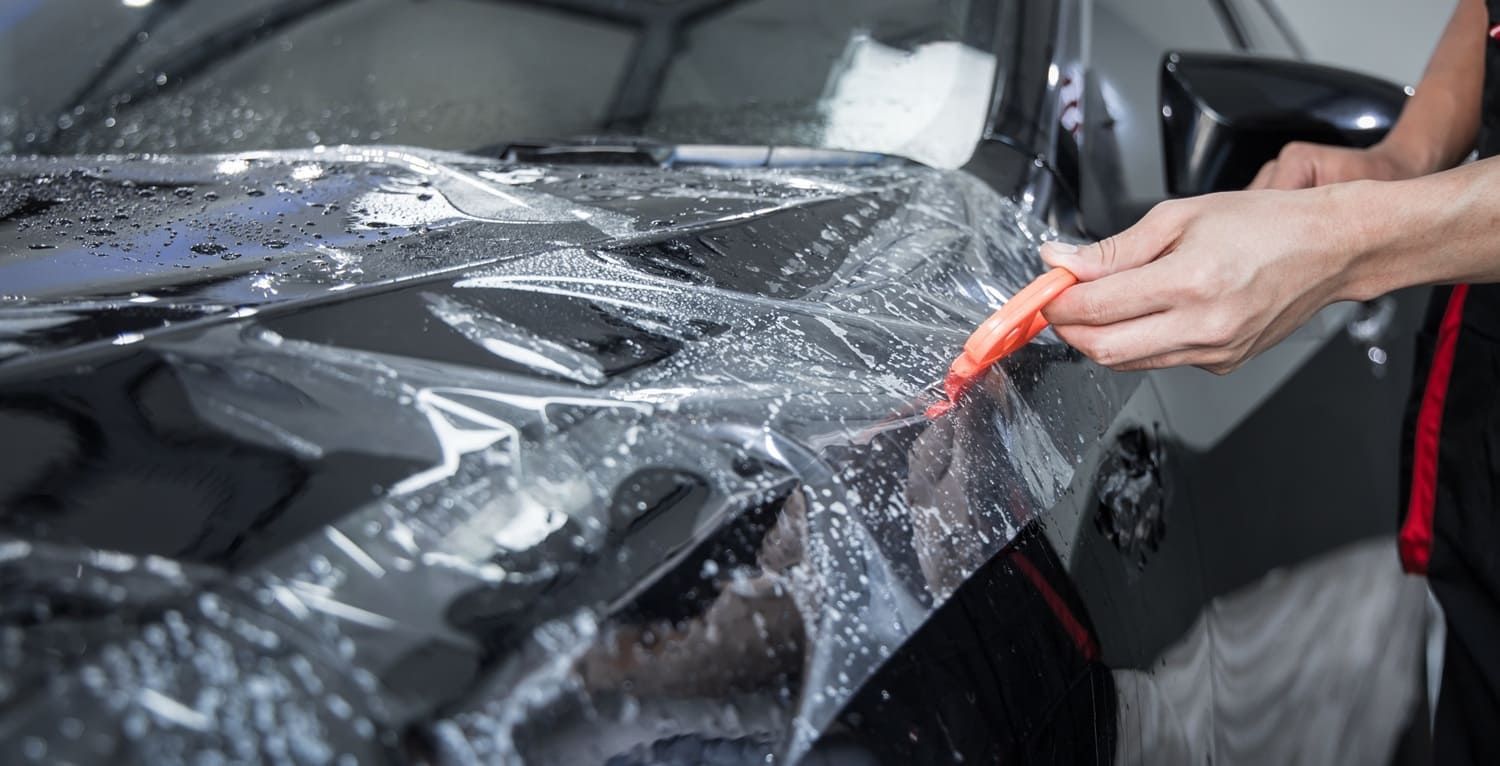
Window tint is a thin laminate film bonded to glass using a pressure-sensitive adhesive. That adhesive layer is the most vulnerable part of the system. Salt air and high coastal humidity create conditions that can degrade lower-quality adhesives faster than a dry inland climate would. Salt particles are corrosive by nature, and when they settle on a surface repeatedly over time, they can work their way into small imperfections in the film edge, the seal around the glass, or any area where the installation was not perfectly clean and complete.
Humidity adds to the challenge by creating moisture that expands and contracts with daily temperature changes. In a humid coastal environment like Myrtle Beach, that cycle is frequent and intense. Film that is not designed for this level of moisture exposure may begin to lift, bubble, or develop adhesion failures at the edges sooner than expected.
UV exposure along the Grand Strand is also notably higher than in many inland areas. South Carolina receives an average of more than 215 sunny days per year, and coastal areas add reflective glare off the water. Prolonged UV exposure fades and degrades dyes in lower-quality films and can break down adhesives over time, even on surfaces that are not directly salt-exposed.
The Combination Effect
It is not just salt air alone or UV alone that creates the problem near Myrtle Beach. It is the combination of all three factors operating together day after day. A film that handles UV reasonably well inland may still fail prematurely on the coast if its adhesive was not formulated to resist moisture and salt. Premium films, particularly ceramic films, are engineered with materials that address this combination more effectively than entry-level options.
Signs That Window Tint Is Breaking Down
Knowing what early tint failure looks like can help you act before the problem gets worse. Some signs are cosmetic at first, but they can indicate that the film has already begun to separate from the glass or that the dye or coating has begun to degrade. Here are the most common signs to watch for on both vehicles and windows.
Bubbling
Bubbles under the film are one of the most recognizable signs of adhesive failure. Near the coast, bubbling often begins at the edges of the film where salt and moisture have the easiest access. Once bubbles form, they tend to spread over time and cannot be reversed. Bubbling is most common in lower-quality dyed films and in any film that was not installed on a clean, properly prepared surface.
Peeling and Edge Lift
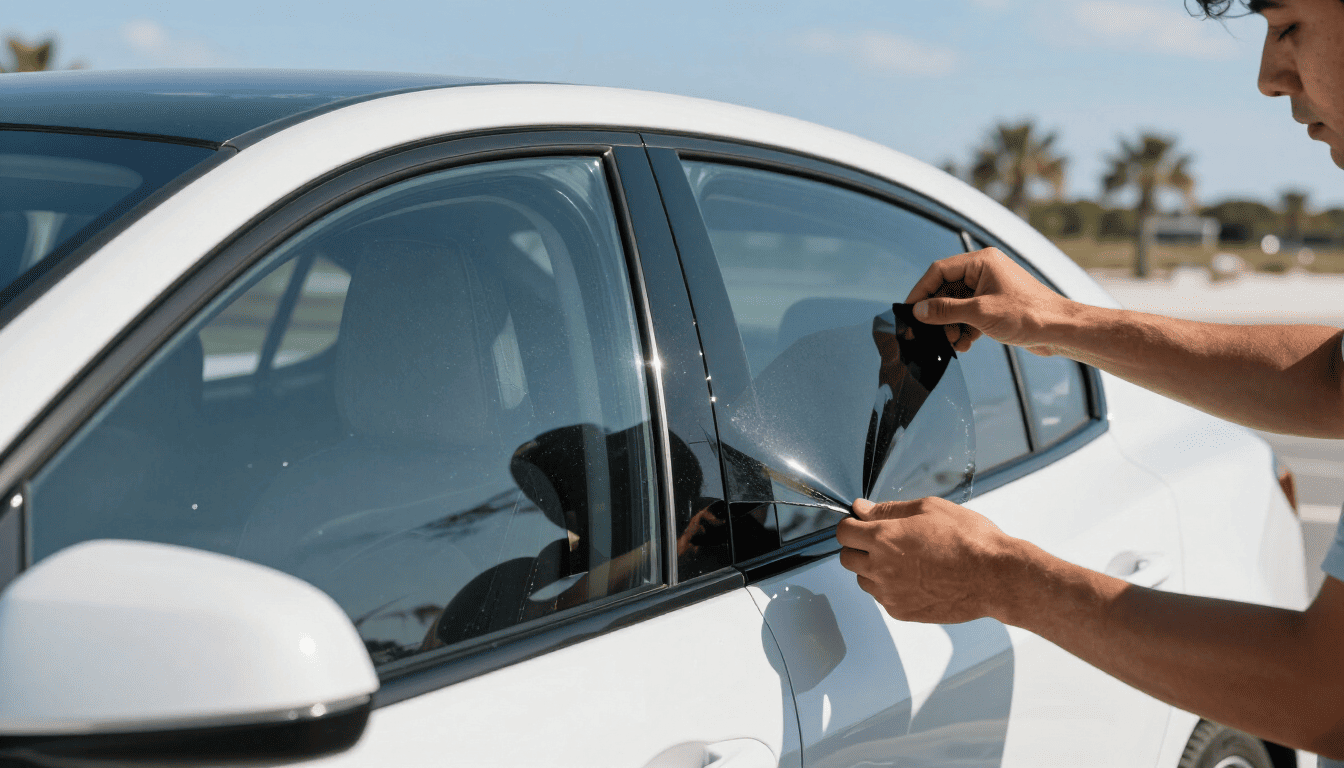
Peeling typically starts at corners or edges where the adhesive bond is weakest. Salt particles that work into the edge over time can accelerate lifting. You may notice the film pulling away from the edge of the glass, appearing cloudy near the borders, or lifting slightly in a corner. Left unaddressed, peeling will continue across more of the film surface.
Fading and Color Shift
Dyed films are particularly prone to fading under heavy UV exposure. A window tint that was once a consistent dark shade may begin to look uneven, lighter, or shift toward a purplish or brownish tone. This is a sign that the dye has broken down under UV and that the film's optical and heat-rejection performance has also declined.
Hazing and Cloudiness
Some films develop a hazy or milky appearance as the adhesive or coating degrades. This reduces visibility, looks unattractive, and is a clear indicator that the film needs to be replaced. Hazing is more common on older dyed films or on film that has experienced significant moisture exposure.
Scratching and Surface Wear
While not specific to salt air, surface wear from improper cleaning is a common cause of early tint failure. Using abrasive cleaners or materials on tinted glass can scratch the soft outer coating, accelerating UV damage and making the film more susceptible to the effects of a coastal environment.
How Film Quality Affects Lifespan Near the Ocean
Film quality is the single biggest variable in how long window tint lasts near the coast. Entry-level dyed films are the most affordable upfront but are the least equipped for coastal conditions. Mid-grade films that use metallic or hybrid construction perform better but still have limitations. Premium ceramic films deliver the best performance and longevity in demanding environments like Myrtle Beach.
Entry-Level Dyed Film
Dyed films use a layer of dye to absorb heat and reduce visible light. They have no metallic or ceramic components and rely on the dye layer for most of their performance. In coastal climates, dyed films typically last between two and five years before significant fading, bubbling, or adhesive failure becomes visible. Their UV stability is lower, and their adhesives are generally not formulated for high-humidity, salt-air environments.
Mid-Grade Film
Mid-grade films often combine dye with metallic or carbon layers to improve heat rejection and durability. They tend to last longer than pure dyed films, often in the range of five to eight years even in coastal conditions, though this varies by brand and specific product. They perform better on UV stability and heat rejection but may still face adhesion challenges in very exposed coastal locations.
Premium Ceramic Film
Ceramic films use nano-ceramic particles to reject heat and UV without relying on dyes or metals. They do not fade, are optically clear and stable over time, and use advanced adhesives that are more resistant to humidity and moisture. In a coastal environment like Myrtle Beach, a professionally installed premium ceramic film can realistically last ten years or more with proper care. Many premium ceramic films come with manufacturer warranties that reflect this durability.
How Professional Installation Affects How Long Tint Lasts
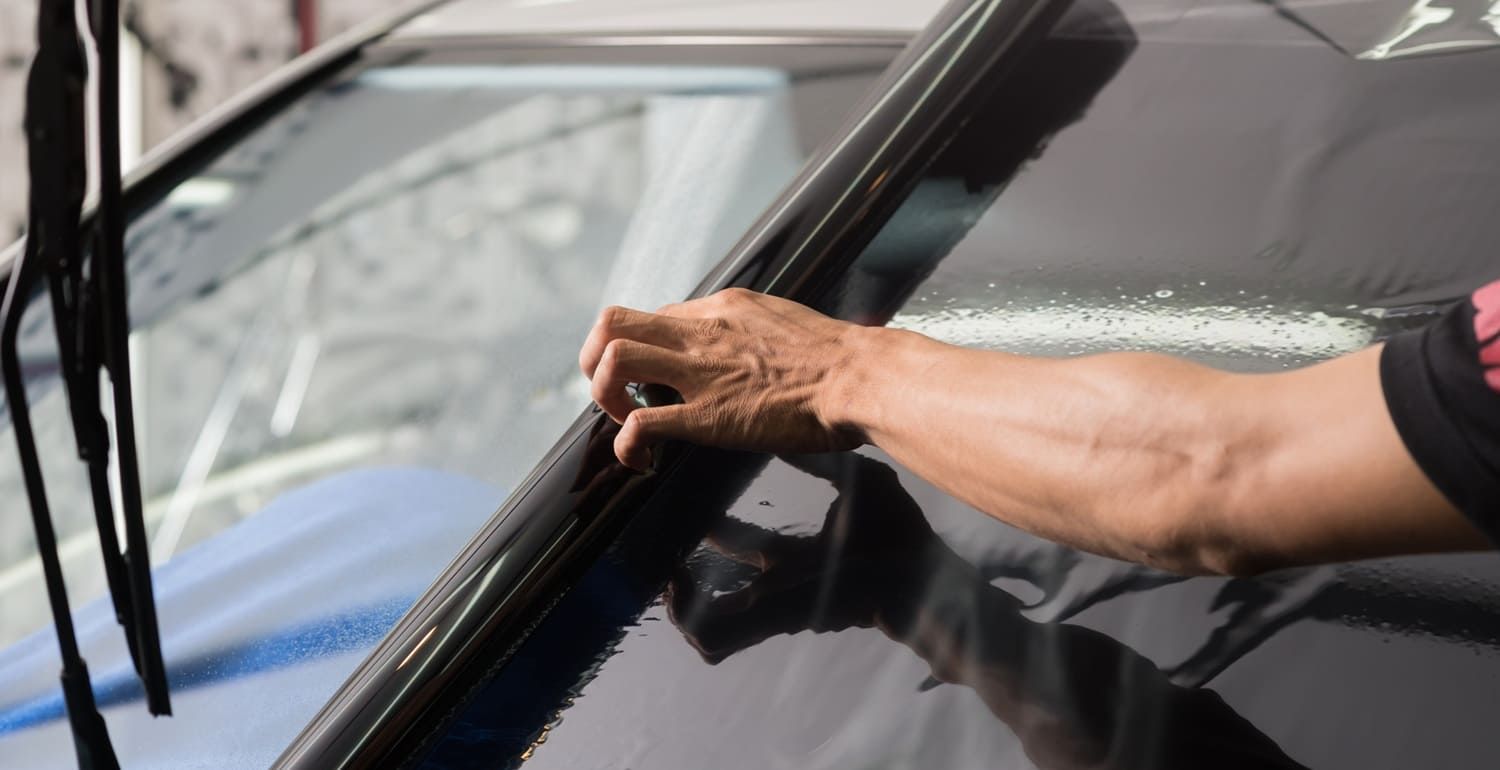
Even the best film on the market will fail prematurely if it is installed incorrectly. Professional installation matters more in a coastal environment than almost anywhere else, because any imperfection in the installation process creates an entry point for salt air and moisture.
Surface Preparation
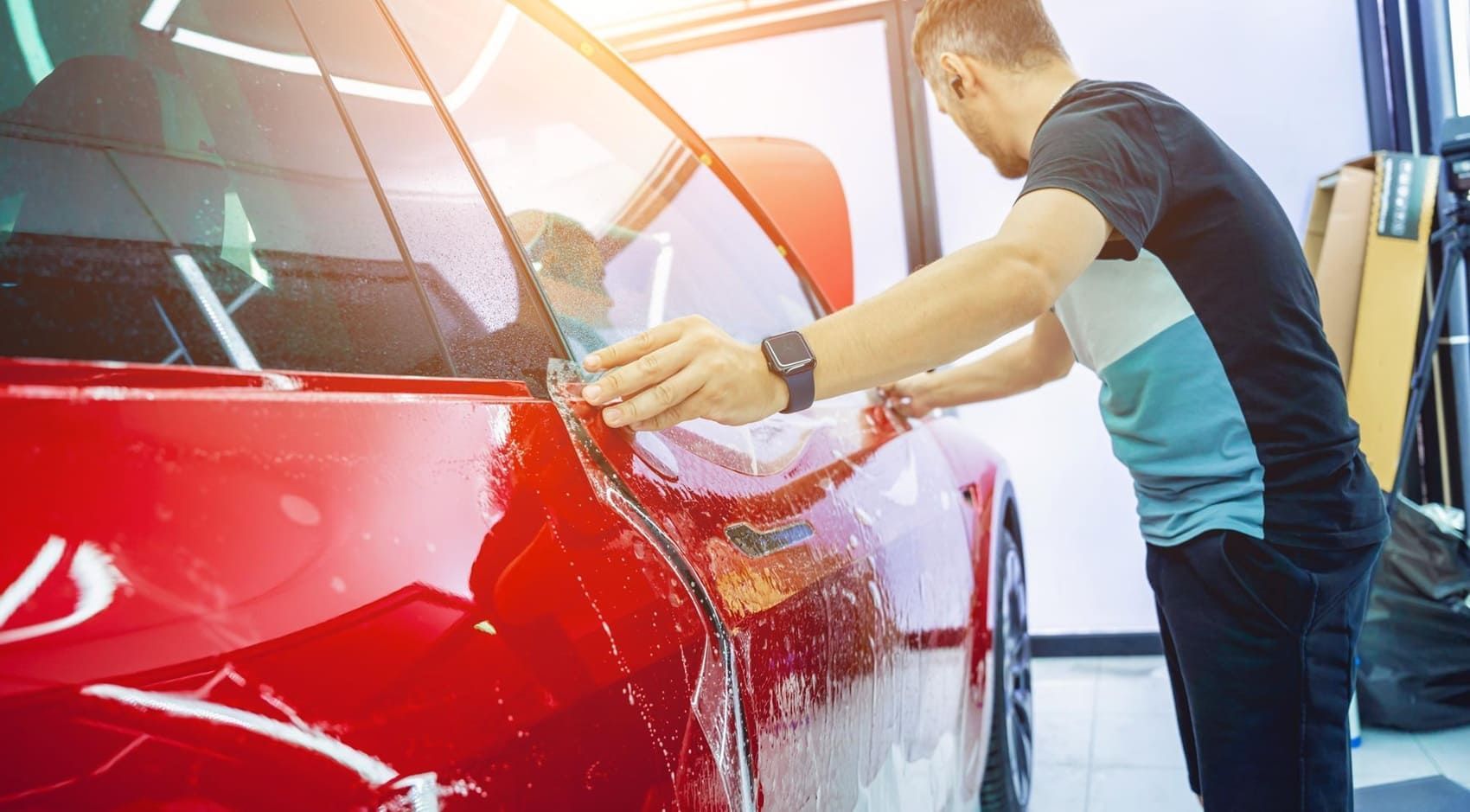
Professional installers clean the glass thoroughly before applying any film, removing contaminants, oils, residue, and any traces of old adhesive. Contamination trapped under the film during installation creates weak spots in the adhesive bond that coastal humidity and salt will exploit over time. Proper surface prep is non-negotiable for a lasting result near the ocean.
Edge Sealing and Fit
Professional installers cut film to precise dimensions so it sits properly within the glass edges without gaps. A well-fitted film reduces the exposed edge area that salt and moisture can penetrate. Some installers use edge-sealing techniques on residential and commercial applications that further protect against moisture intrusion at the film border.
Curing Time
After installation, film requires a curing period during which the adhesive fully bonds to the glass. Rolling down vehicle windows too soon or cleaning the film before it has cured are common causes of early failure. A professional installer will advise you on the appropriate curing time for your specific film and climate conditions.
The Warranty Difference
Myrtle Beach Window Tint backs its auto tint installations with a guarantee against color change, bubbling, and cracking for as long as the customer owns the vehicle. That level of coverage is only possible when premium films and professional installation practices are consistently applied together.
Auto vs. Residential vs. Commercial Tint Lifespan Near the Coast
Not all tinted surfaces experience coastal conditions equally. Auto tint, residential window film, and commercial window film each face different exposure levels and have different baseline lifespans, even when the same film quality and installation standards are applied.
Auto Window Tint Near Myrtle Beach
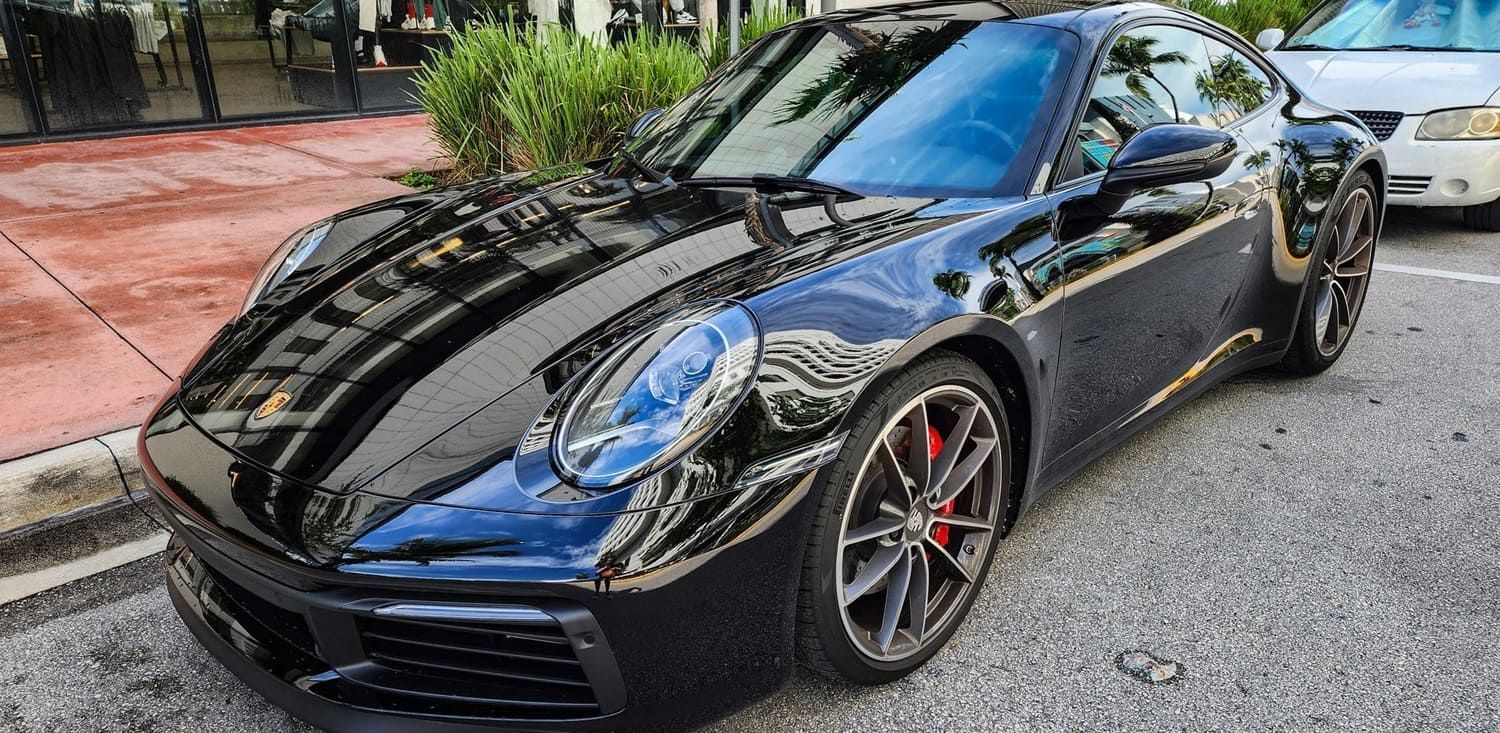
Vehicle tint typically faces the most direct and varied exposure. A car parked outside in Myrtle Beach is hit with direct sun, salt spray, and humidity every day. Even with premium ceramic film, auto tint in a coastal environment will generally need more attention over time than a residential application that is protected by overhangs or shade. With professional installation and a premium film, auto tint near Myrtle Beach can realistically last the lifetime of vehicle ownership when backed by a proper warranty.
Residential Window Film Near the Coast
Residential window film applied to home windows tends to have a longer effective lifespan than auto tint because the glass surface is fixed, protected from direct spray, and typically cleaned less abrasively. Premium ceramic residential film installed by a professional in Myrtle Beach or Horry County can last fifteen years or more in many applications. The biggest risk factors for residential film are improper cleaning, poor initial installation, and direct ocean-facing exposure on homes very close to the water.
Commercial Window Film in a Coastal Environment
Commercial window film on storefronts, office buildings, and commercial properties faces heavy UV exposure but is usually installed on larger fixed glass panels with better edge protection. High-quality commercial film products are engineered for durability and often carry strong manufacturer warranties. In the Myrtle Beach commercial corridor, professionally installed premium commercial film can last ten to twenty years depending on the product and exposure level.
Film Quality and Lifespan Comparison
The table below summarizes how entry-level dyed film, mid-grade film, and premium ceramic film compare for coastal durability in the Myrtle Beach environment.
| Category | Entry-Level Dyed Film | Mid-Grade Film | Premium Ceramic Film |
|---|---|---|---|
| Typical Coastal Lifespan | 2 to 5 years | 5 to 8 years | 10 or more years |
| Resistance to Bubbling and Peeling | Low | Moderate | High |
| UV and Color Stability | Low, prone to fading | Moderate | Very high, no fade |
| Heat Rejection Performance | Moderate | Good | Excellent |
| Warranty Coverage | Limited or none | 1 to 5 years typical | Lifetime or long-term |
| Upfront Cost | Lowest | Mid-range | Higher upfront |
| Best Use Case | Temporary or budget applications | Moderate exposure areas | Coastal, high UV, long-term value |
For vehicle owners and homeowners in Myrtle Beach, North Myrtle Beach, and Horry County, the math often favors premium ceramic film. A dyed film that needs replacing every three to four years will cost more over a decade than a ceramic film installed once and backed by a strong warranty.
Auto, Residential, and Commercial Lifespan Summary
| Application | Expected Lifespan (Premium Ceramic) | Primary Coastal Risk Factors |
|---|---|---|
| Auto Window Tint | Lifetime of vehicle with proper warranty | Direct sun, salt spray, daily exposure |
| Residential Window Film | 15 or more years | Ocean-facing exposure, cleaning method |
| Commercial Window Film | 10 to 20 years | Large glass surface area, UV accumulation |
How to Help Your Window Tint Last Longer in a Coastal Climate
Regardless of the film quality you choose, proper care and maintenance can meaningfully extend the life of your window tint in a coastal environment. These tips apply to auto, residential, and commercial applications.
Wait for the Film to Fully Cure
After installation, do not clean the tinted surface or, for vehicles, roll the windows down for at least three to five days. In Myrtle Beach's humid climate, your installer may recommend a slightly longer cure window. Premature disturbance of the film can compromise the adhesive bond before it has fully set.
Use the Right Cleaning Products
Always clean tinted surfaces with a mild, ammonia-free cleaner. Ammonia degrades the film coating and adhesive over time and is one of the most common causes of premature tint failure. A soft microfiber cloth is ideal. Never use abrasive pads, squeegees with sharp edges, or harsh chemical cleaners on tinted glass.
Rinse Salt Off Regularly
For vehicles and exterior-facing residential windows near the ocean, rinsing salt off the glass and surrounding trim regularly reduces the accumulation of corrosive particles near the film edges. A simple fresh water rinse after heavy wind or storm events can help prevent salt from working its way into any edge vulnerabilities.
Avoid Parking in Direct Sun When Possible
For vehicles, parking in a garage or shaded area when available reduces the cumulative UV load on the film. Even a ceramic film performs best when unnecessary UV exposure is minimized over time. Shade also reduces interior heat buildup, which can stress the adhesive during the hottest months of the Myrtle Beach summer.
Inspect the Film Annually
A quick annual inspection of all tinted surfaces lets you catch edge lifting, small bubbles, or early hazing before they spread. Addressing a small edge lift early is far less costly than waiting until the film requires full replacement. Your installer can often address minor issues during a routine visit.
Choose a Qualified Installer from the Start
The single most impactful maintenance decision you can make is choosing a qualified, experienced installer for the initial job. Proper installation with premium film dramatically reduces the likelihood of any of the failure modes described above, regardless of how harsh the coastal environment is.
FAQ: Window Tint Lifespan Near Myrtle Beach
How long does window tint typically last near Myrtle Beach?
In coastal Myrtle Beach conditions, entry-level dyed film typically lasts two to five years. Mid-grade film can last five to eight years. Premium ceramic film installed by a professional can last ten or more years, and in auto applications backed by a lifetime warranty, it can last the lifetime of vehicle ownership.
Does salt air cause window tint to bubble or peel faster?
Yes. Salt air accelerates adhesive failure, particularly at film edges, by introducing corrosive particles that break down the bond between the film and glass over time. Premium ceramic films with advanced adhesives are significantly more resistant to this effect than entry-level dyed films.
What are the first signs that window tint is failing?
The first signs of tint failure are typically edge lifting, small bubbles, and color change or fading. Hazing or cloudiness can also appear in the early stages of adhesive degradation. Catching these signs early gives you the best options for addressing the issue before full replacement is necessary.
Does ceramic tint last longer than dyed tint in a coastal climate?
Yes, significantly. Ceramic tint is formulated with nano-ceramic particles that are inherently stable under UV, humidity, and salt air exposure. Dyed films rely on a dye layer that degrades under these conditions. In a Myrtle Beach coastal environment, ceramic film will typically outlast dyed film by several years or more.
Does professional installation affect how long tint lasts?
Professional installation is one of the biggest factors in tint longevity. Proper surface preparation, precise film cutting, edge fit, and curing time all directly influence how well the adhesive bonds and how long it stays bonded. Even the best film will fail prematurely if it is installed on a contaminated surface or with poor edge coverage.
How often should coastal homeowners expect to replace window film?
Homeowners in Myrtle Beach and Horry County who install premium ceramic film can generally expect fifteen or more years of performance before replacement is needed. Those who use lower-quality film may need replacement in as few as five to seven years, especially on windows with direct ocean-facing sun exposure.
Does auto tint near the beach need to be replaced more often than inland?
In general, yes, particularly with lower-quality film. The combination of direct daily sun, salt spray, and coastal humidity puts greater stress on auto tint than typical inland conditions. Premium ceramic film backed by a lifetime warranty, however, is designed to withstand these conditions without needing replacement during your ownership of the vehicle.
Can window tint be cleaned or maintained to help it last longer?
Yes. Using an ammonia-free cleaner and a soft microfiber cloth is essential. Ammonia breaks down tint coatings and adhesives over time. For coastal vehicles and homes, rinsing salt off glass surfaces regularly after wind events or heavy exposure can also help prevent salt accumulation near film edges.
Does commercial window film hold up as well as residential film near the coast?
Commercial window film products designed for large glass surfaces are engineered for durability and long-term performance. With professional installation, commercial film near the Myrtle Beach coast can last ten to twenty years. The primary variables are the quality of the product and the degree of direct coastal exposure the building faces.
Is a lifetime warranty on window tint actually honored?
A warranty is only as reliable as the installer backing it. Myrtle Beach Window Tint provides a guarantee against color change, bubbling, and cracking for as long as the customer owns the vehicle, and the team stands behind that coverage. When evaluating any warranty, ask specifically what is covered, what voids the warranty, and whether the installer has a track record in the local market.
Does humidity affect how window tint adheres to glass?
High ambient humidity during installation can affect the curing process if the installer does not account for it. Professional installers in coastal markets like Myrtle Beach understand how to manage installation conditions to ensure proper adhesion even in humid weather. Ongoing high humidity after installation, particularly in lower-quality films, can also accelerate edge lift and adhesive degradation over time.
How does UV exposure near the beach compare to inland areas?
Coastal South Carolina receives intense UV exposure year-round, and reflective glare off the water increases effective UV load beyond what most inland surfaces experience. This accelerates the fading of dye-based films and puts greater long-term stress on any adhesive that is not UV-stable. Ceramic films are specifically engineered to block UV without degrading under it.
Should window tint be reapplied after a certain number of years automatically?
Not necessarily. Premium ceramic film installed correctly does not have a fixed replacement schedule if it is holding up well, is not showing signs of failure, and is still performing to specification. Automatic replacement is more relevant for lower-quality films in high-exposure coastal environments where a predictable degradation timeline is expected.
How long does professional tint installation take?
For a standard vehicle, professional auto tint installation typically takes two to four hours depending on the number of windows, the film type, and the complexity of the rear window. Residential installations vary based on the number and size of windows being tinted. Commercial projects depend on square footage and access requirements. Your installer can give you a specific estimate for your project.
How do I know if my current window tint needs to be replaced?
The clearest indicators are visible bubbling, peeling at the edges, noticeable fading or color change, hazing or cloudiness, and any area where the film has separated from the glass. If your tint is more than five years old and showing any of these signs, or if it is eight or more years old regardless of appearance, a professional inspection can help you assess whether replacement is the right step.
Conclusion: Protecting Your Investment in Myrtle Beach's Coastal Climate
Window tint near Myrtle Beach faces a tougher environment than almost anywhere inland. Salt air, constant humidity, and intense coastal UV are a demanding combination, and not every film is equipped to handle it. The difference between a film that fails in three years and one that lasts a decade or more comes down to two things: the quality of the film and the quality of the installation.
Premium ceramic window film installed by a qualified professional is consistently the most durable and cost-effective choice for vehicle owners and homeowners in Myrtle Beach, North Myrtle Beach, and Horry County. It resists fading, holds its adhesive bond under coastal humidity, blocks UV without degrading, and delivers long-term value that lower-grade options simply cannot match. When backed by a strong warranty, it is a smart investment that pays for itself over time compared to repeatedly replacing cheaper film.
Myrtle Beach Window Tint has completed over 23,000 auto tints, 4,000 residential tints, and nearly 2,000 commercial tints for clients throughout the Grand Strand and Horry County. The team understands the specific demands of this coastal environment and installs premium film products with the care and expertise needed to make them last.
If you are ready to protect your vehicle, home, or business with window tint built for the Myrtle Beach coast, contact Myrtle Beach Window Tint today for a free estimate on auto, residential, or commercial window tinting. Serving Myrtle Beach, North Myrtle Beach, and all of Horry County.